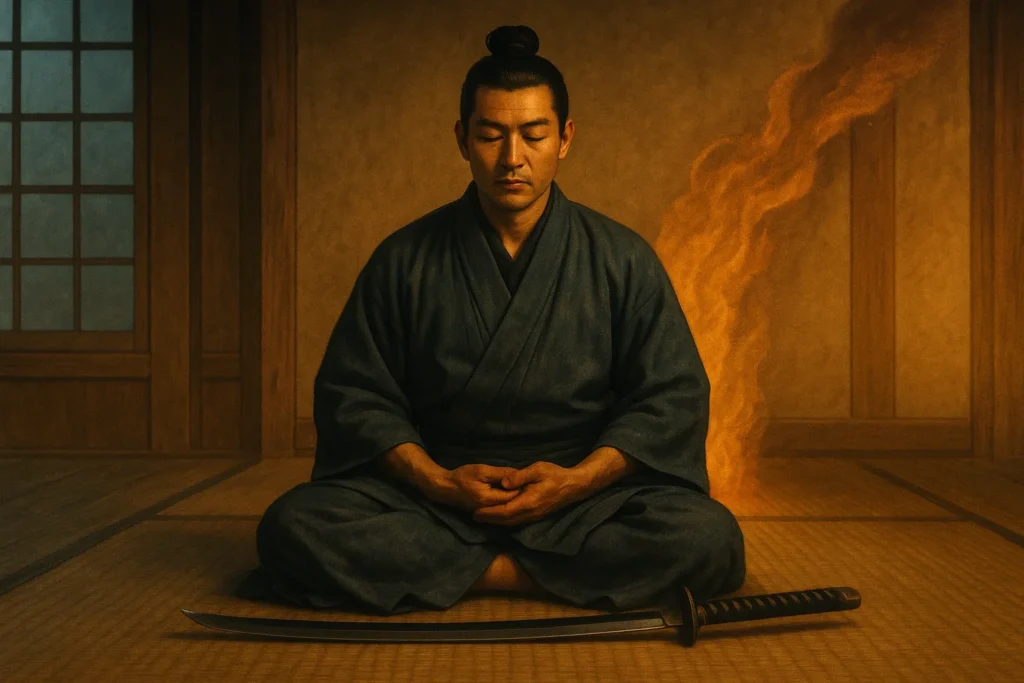
For centuries, the samurai were not only warriors but also pivotal patrons of Japan’s cultural life. Their influence extended far beyond the battlefield, shaping the evolution of traditional Japanese theater such as Kabuki, Noh, and Bunraku. By providing financial backing, political protection, and artistic inspiration, samurai helped these art forms flourish during the Edo period and beyond. This article explores how samurai supported traditional Japanese theater, highlighting their patronage, aesthetic contributions, and lasting legacy.
Samurai Patronage of Kabuki
Kabuki emerged in the early 17th century as a popular form of entertainment for the urban populace of Edo (modern Tokyo). While the genre began as a street performance, it quickly attracted the attention of the samurai class. Samurai patrons saw Kabuki as a means to display their status and to promote moral lessons aligned with Confucian values. They funded theaters, sponsored actors, and even commissioned new plays that reflected contemporary social issues.
- Financial Support: Samurai families invested in theater companies, providing the capital needed for elaborate sets and costumes.
- Political Protection: By endorsing Kabuki, samurai helped secure licenses and legal recognition for the art form.
- Artistic Collaboration: Samurai playwrights and actors collaborated to create narratives that blended martial themes with dramatic storytelling.
- Audience Expansion: Their presence at performances attracted other elites, increasing the genre’s prestige.
One notable example is the Tokugawa shogunate’s support for the Kabuki theater, which led to the establishment of the first permanent theater in 1653. This institutional backing set the stage for Kabuki’s enduring popularity.
Samurai Influence on Noh Drama
Noh, the ancient classical theater form, has roots that predate the samurai era. However, samurai patronage during the Muromachi and Edo periods was crucial for its survival and refinement. Samurai scholars and monks collaborated to preserve Noh’s spiritual depth, ensuring that its themes of impermanence and enlightenment resonated with the warrior ethos.
Samurai contributions included:
- Preservation of Texts: Many samurai families maintained libraries of Noh scripts, safeguarding them from loss.
- Commissioning New Works: Samurai playwrights commissioned plays that incorporated contemporary moral dilemmas, making Noh relevant to modern audiences.
- Training of Performers: Samurai often served as mentors to Noh actors, emphasizing discipline and precision.
- Architectural Support: They funded the construction of dedicated Noh stages, such as the Osaka Noh Theater, ensuring proper acoustics and ambiance.
Through these efforts, samurai helped maintain Noh’s status as a revered cultural treasure, bridging the gap between the aristocracy and the common people.
Samurai and the Rise of Bunraku
Bunraku, the puppet theater, owes much of its development to samurai patronage. The art form’s intricate puppetry and narrative depth appealed to samurai who valued precision and storytelling. Samurai sponsorship facilitated the creation of sophisticated puppet designs and the training of skilled puppeteers.
Key samurai contributions to Bunraku include:
- Funding Workshops: Samurai invested in puppet workshops, allowing artisans to experiment with new materials and techniques.
- Promotion of Themes: Samurai encouraged plays that explored loyalty, honor, and the human condition—values central to the warrior code.
- Audience Development: By attending Bunraku performances, samurai helped attract a broader audience, including merchants and artisans.
- Preservation of Scripts: Samurai families preserved Bunraku manuscripts, ensuring that future generations could access classic works.
These efforts culminated in the establishment of the Bunraku Theater in Osaka, which remains a symbol of samurai cultural patronage.
Samurai’s Role in Theater Preservation and Legacy
Beyond direct patronage, samurai played a crucial role in preserving traditional theater during periods of political upheaval. Their commitment to cultural continuity ensured that theater survived the Meiji Restoration’s rapid modernization. Samurai scholars documented performance techniques, while samurai nobles protected theaters from confiscation and destruction.
Today, the influence of samurai patronage is evident in the continued reverence for Kabuki, Noh, and Bunraku. These art forms are recognized by UNESCO as Intangible Cultural Heritage, a testament to the enduring legacy of samurai support.
In conclusion, samurai were more than just swordsmen; they were guardians of Japan’s artistic soul. Their financial backing, political influence, and artistic collaboration laid the groundwork for the flourishing of traditional Japanese theater. By championing Kabuki, Noh, and Bunraku, samurai ensured that these cultural treasures would endure for centuries.
Explore the rich history of samurai and Japanese theater—discover how the warrior class shaped the stage and continue to celebrate their legacy today.
Frequently Asked Questions
Q1. How did samurai patronage influence Kabuki theater?
Samurai provided financial backing, political protection, and audience prestige. This support enabled Kabuki to transition from street performances to a respected art form. Permanent theaters were established, allowing elaborate sets and costumes. The genre’s popularity grew among the elite and commoners alike.
Q2. What role did samurai play in preserving Noh drama?
Samurai preserved scripts, commissioned new plays, trained performers, and funded dedicated stages. These efforts ensured Noh’s spiritual depth remained relevant to the warrior ethos. The preservation of texts prevented loss of ancient works. Training emphasized discipline and precision, aligning with samurai values.
Q3. Why did samurai support Bunraku puppet theater?
Samurai valued precision and storytelling, which aligned with Bunraku’s intricate puppetry. Their sponsorship funded workshops, allowing artisans to experiment with new materials. They promoted themes of loyalty, honor, and the human condition. This broadened audiences and led to the establishment of Osaka’s Bunraku Theater.
Q4. Did samurai patronage affect the longevity of traditional theater during modernization?
During the Meiji Restoration, rapid modernization threatened traditional arts. Samurai patronage protected theaters from confiscation and destruction. They documented performance techniques and maintained public interest. This ensured Kabuki, Noh, and Bunraku survived the upheaval.
Q5. How is the samurai legacy recognized today?
UNESCO lists Kabuki, Noh, and Bunraku as Intangible Cultural Heritage. This recognition reflects the enduring influence of samurai patronage. Modern audiences continue to celebrate these art forms. The samurai legacy lives on through ongoing performances and preservation efforts.