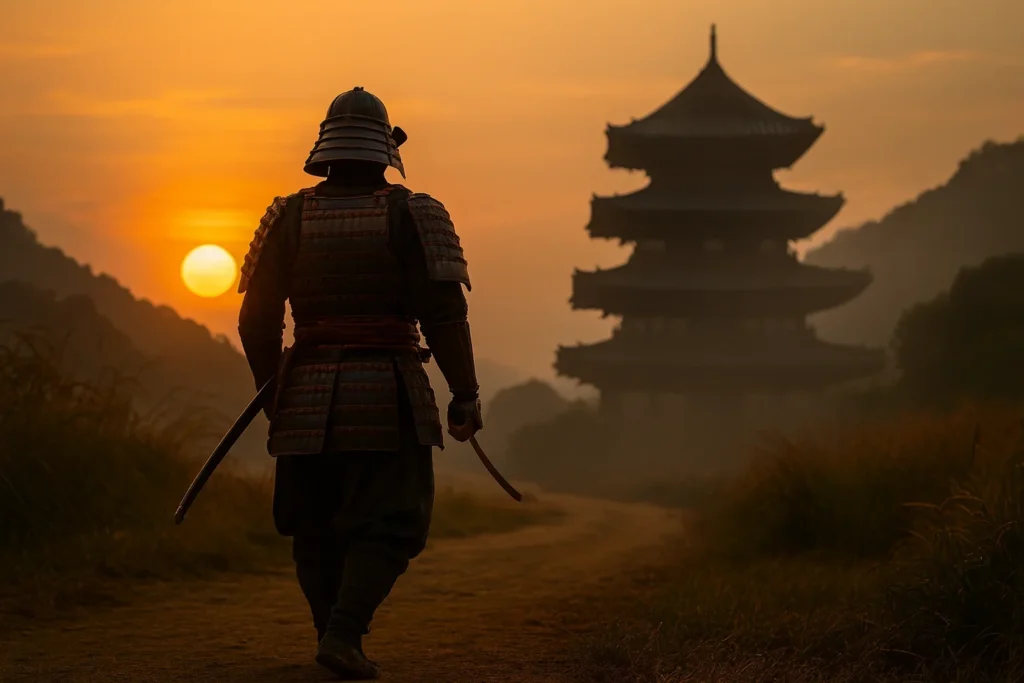
In the annals of Japanese history, the samurai stand as emblematic figures of honor, discipline, and martial prowess. Yet beyond their famed swords and armor lies a subtler, yet profoundly influential, force: ancestral memory. This collective remembrance of lineage, values, and shared experiences shaped the samurai’s identity, guided their conduct, and reinforced the cultural fabric of feudal Japan. Understanding how ancestral memory operated within samurai culture offers insight into the enduring legacy of Bushido and the broader Japanese heritage.
Ancestral Memory: The Core of Samurai Identity
At its heart, ancestral memory is the transmission of stories, rituals, and moral codes from one generation to the next. For samurai, this memory was not merely a nostalgic recollection but a living, breathing framework that informed every decision, from battlefield tactics to daily etiquette. The samurai’s sense of self was inseparable from the legacy of their forebears; their honor was a continuation of ancestral deeds, and their duty was a fulfillment of inherited promises.
How Ancestral Memory Shaped Bushido
Bushido, the “way of the warrior,” is often described as a code of conduct that emphasized loyalty, courage, and self-discipline. While the formalized Bushido texts emerged later, the principles were deeply rooted in ancestral memory. Samurai families preserved oral histories of valorous ancestors, and these narratives were woven into the very fabric of Bushido’s ethical guidelines. For example, the concept of giri (duty) was reinforced by stories of ancestors who upheld their commitments against overwhelming odds. Likewise, the virtue of ninjō (human compassion) was illustrated through tales of samurai who chose mercy over vengeance, thereby setting a precedent for future generations.
Rituals and Practices: Keeping Memory Alive
Samurai households employed a variety of rituals to honor their lineage and keep ancestral memory alive. These practices ranged from the meticulous maintenance of family crests (mon) to the annual observance of shūshō (memorial rites). The mon, often displayed on armor and banners, served as a visual reminder of a clan’s heritage and achievements. During shūshō, samurai would offer prayers and recite ancestral names, reinforcing the bond between past and present. Such rituals were not merely ceremonial; they functioned as daily reminders of the values that guided samurai conduct.
Education and Mentorship: Passing Down the Legacy
Formal education for samurai began early, with young warriors learning the arts of strategy, calligraphy, and philosophy under the guidance of seasoned mentors. These mentors were often senior samurai who had themselves been shaped by ancestral memory. Through storytelling, they imparted lessons that transcended technical skill, embedding the ethos of their lineage into the minds of apprentices. This mentorship model ensured that each new generation carried forward the collective memory, adapting it to contemporary challenges while preserving its core principles.
Impact on Warfare and Governance
The influence of ancestral memory extended beyond personal conduct to the realms of warfare and governance. Samurai commanders often invoked the deeds of legendary ancestors to inspire troops, framing battles as continuations of historic struggles. This psychological tactic bolstered morale and fostered unity. In governance, samurai officials drew upon ancestral precedents to justify policies, arguing that their actions were consistent with the long-standing traditions of their clans. Thus, ancestral memory served as both a moral compass and a legitimizing tool in the political arena.
List of Key Elements in Samurai Ancestral Memory
- Family Crests (Mon) – Visual symbols of lineage and honor.
- Memorial Rites (Shūshō) – Rituals to honor deceased ancestors.
- Oral Histories – Stories of valor and virtue passed through generations.
- Mentorship – Senior samurai teaching younger warriors.
- Ethical Codes – Bushido principles rooted in ancestral examples.
Legacy in Modern Japan
While the samurai era ended centuries ago, the echoes of ancestral memory persist in contemporary Japanese culture. Modern martial arts schools, such as kendo and iaido, still emphasize respect for tradition and the remembrance of past masters. Moreover, the Japanese concept of wa (harmony) reflects the communal aspect of ancestral memory, fostering social cohesion through shared heritage. Even in popular media, samurai narratives often highlight the tension between individual ambition and collective legacy, underscoring the enduring relevance of ancestral memory.
Conclusion: Embracing Ancestral Memory Today
In sum, ancestral memory was the invisible thread that bound samurai families across centuries, shaping their ethos, guiding their actions, and sustaining their cultural identity. By studying this phenomenon, we gain a deeper appreciation for the intricate interplay between history, tradition, and personal conduct that defined the samurai. Whether you are a history enthusiast, a martial arts practitioner, or simply curious about Japanese heritage, exploring ancestral memory offers a window into the soul of a people who revered their past as a compass for the future.
Ready to delve deeper into the world of samurai and ancestral memory? Join our community of scholars and enthusiasts today—discover exclusive articles, expert insights, and interactive discussions that bring history to life.
For further reading, explore these authoritative resources:
- Samurai – Wikipedia
- Bushido – Wikipedia
- Samurai Heritage – Japan National Tourism Organization
- Ancestral Memory in Japanese Culture – JSTOR
Frequently Asked Questions
Q1. What is ancestral memory in samurai culture?
Ancestral memory refers to the collective remembrance of lineage, values, and shared experiences passed down through generations. For samurai, it was a living framework that guided decisions, from battlefield tactics to daily etiquette. It reinforced honor, duty, and the sense of identity tied to forebears.
Q2. How did ancestral memory influence Bushido?
Bushido’s principles—loyalty, courage, self‑discipline—were rooted in stories of valorous ancestors. Oral histories of duty (giri) and compassion (ninjō) shaped the ethical guidelines, making Bushido a living tradition rather than a static code.
Q3. What rituals kept ancestral memory alive?
Samurai households maintained family crests (mon) and performed memorial rites (shūshō). These rituals involved prayers, recitations, and visual symbols that reminded warriors of their heritage and reinforced communal bonds.
Q4. In what ways did ancestral memory affect warfare?
Commanders invoked legendary deeds to inspire troops, framing battles as continuations of historic struggles. This psychological tactic boosted morale and unity, while also legitimizing strategies through ancestral precedent.
Q5. Does ancestral memory still influence modern Japan?
Yes. Modern martial arts like kendo and iaido emphasize respect for tradition, and the concept of wa (harmony) reflects communal heritage. Popular media also highlights the tension between individual ambition and collective legacy.