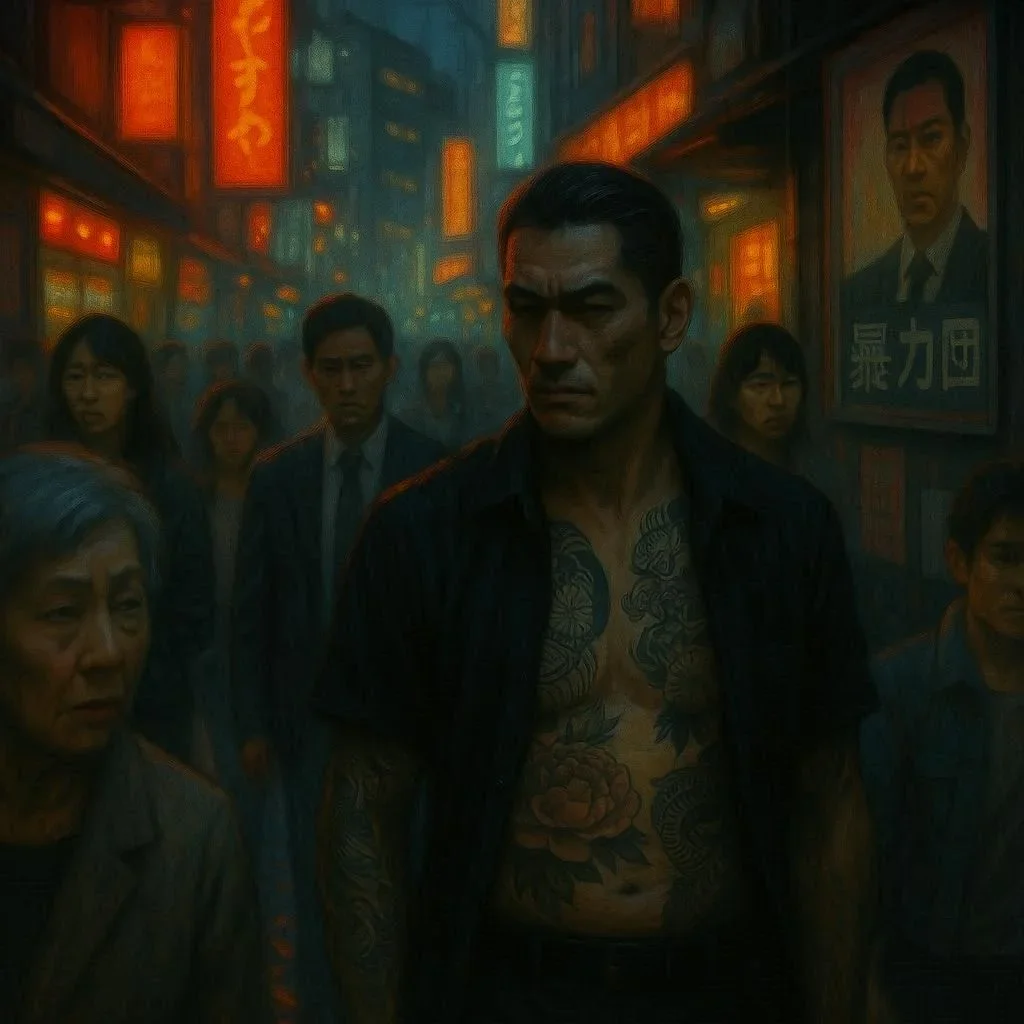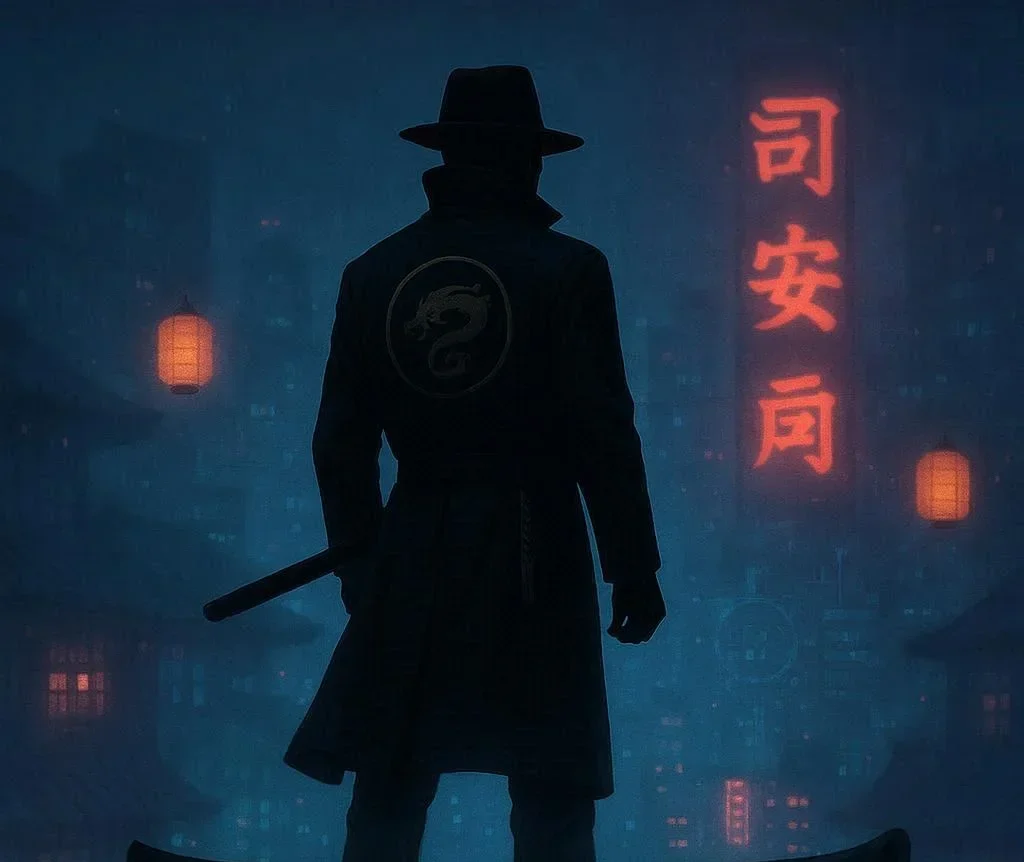
The symbolic meanings of red and black permeate Japanese art, threading through centuries of history, mythology, and contemporary expression. These two colors do more than decorate; they evoke spirituality, power, protection, and the duality that defines Japan’s aesthetic sensibilities. By exploring the nuanced ways red and black appear in paintings, sculpture, fashion, and architecture, we uncover a visual language that speaks to both ancient tradition and modern reinterpretation.
Red and Black in Historical Context
Red (aka 赤 (aka)) has long been associated with life, vitality, and protection in traditional Japanese culture. It is the hue of the torii gates that mark the entrance to sacred shrines, the vermilion lines of the Shinto altar, and the vivid banners of warrior clans. Black, on the other hand, signals the unknown, the void, and sometimes mourning, yet it also represents resilience and the protective barrier against evil spirits. Together, these colors serve as complementary forces, echoing the Japanese concept of yokai, the balance between opposing elements.
The origins of this color pairing can be traced back to the Heian period (794‑1185) when Buddhist missionaries introduced new color symbolism. The Japanese Color Symbolism page explains how these associations date to ancient rituals of the Emperor’s court and later spread through the samurai class.
Red and Black: Cultural Symbols of Vitality and Mystery
Red—especially vermilion—has been used to depict luminous phenomena like flame and sun in Edo‑period ukiyo‑e prints. Samurai armor often featured a stark red crest (okagami) to announce the warrior’s presence, while the black armor color demonstrated disciplined endurance. In Buddhist iconography, red outlines denote the realms of enlightenment, while black shading outlines the karmic shadows that must be transcended.
- Vermilion torii gates at Fushimi Inari-taisha
- Red banners over Kyoto’s Kinkaku‑ji temple
- Black lacquered swords used by the shogun
- Red yoko-themed kimono symbolizing wealth
- Black Kimono “kuroe” for ritual purification
These motifs reinforce a cultural narrative: red protects, black conceals and focuses. When artists pair them, they invite the viewer to engage with the tension between external brilliance and internal depth.
Red and Black in Motifs and Designs
Japanese printmakers, like Hokusai and Hiroshige, leveraged the contrast of red and black to heighten artistic drama. Hokusai’s Thirty‑six Views of Mount Fuji series uses deep black outlines to frame the vibrant red sky, creating a striking visual balance. Similarly, the Met’s Japanese Art Collection showcases how motif designers employed red and black for illustrative storytelling in scrolls, netsuke, and even pottery.
Across architectural ornamentation, black lacquer (shaku) complements red, recalls funerary art, and is utilized in modern minimal-design elements to emphasize shape and form. The color duo frequently appears in modern graphics, where red draws attention and black provides contrast, mirroring traditional print techniques.
Red and Black Among Contemporary Japanese Artists
Today, contemporary artists like Takashi Murakami and Yayoi Kusama reinterpret these color dynamics within pop art and installation culture. Murakami’s “monochrome red scab” emphasizes the visceral power of vermilion, while his “black gap” artworks create tense spaces that challenge viewers. Kusama’s kaleidoscopic “dot” creations, often shaded black against red backgrounds, reference both spiritual and psychological concepts.
These contemporary approaches underline how red and black remain potent communicators of paradox: hope amid despair, presence within absence. Museums such as the Washington National Museum of Asian Art and the Smithsonian Institution keep these evolving dialogues alive through rotating exhibits. For deeper exploration, visit Smithsonian’s Japanese Art page to view curated collections that trace these color traditions from past to present.
Conclusion: Embracing the Duality of Red and Black
Red and black are not merely colors; they are cultural anchors that articulate themes of life, death, protection, and mystery. Their historical roots, recurring motifs, and modern applications demonstrate a resilient symbolic partnership that continues to fascinate artists, historians, and art lovers alike. By recognizing and appreciating this duality, we enhance our understanding of Japanese beauty, where brightness coexists with shadow and every shade tells a story. If you’re intrigued by the enduring symbolism of red and black in Japanese art, explore more galleries at the National Museum of Japan or share your insights on our community forum. Let the brilliance of tradition inspire your next creative venture—red and black await.
Frequently Asked Questions
Q1. What does the color red symbolize in Japanese culture?
Red, or akai, has long represented life, vitality, and protection. It adorns torii gates and Shinto altars, signifying a guardian of sacred spaces. In Edo-period prints, vermilion often depicts fire, the sun, or energetic spirits. Artists use it to bring warmth and visibility to an artwork. Thus, red acts as a visual declaration of strength and divine safeguarding.
Q2. What does black represent in Japanese tradition?
Black (kuro) conveys mystery, the unknown, and mourning, yet it also symbolizes resilience and a protective barrier from evil. Historically it has been used on samurai armor and ceremonial kimono to suggest disciplined endurance. In Buddhist iconography, dark outlines mask karmic shadows, urging contemplation. As a balancing color, black grounds compositions and invites introspection. Hence, it fulfills dual roles of concealment and fortification.
Q3. How are red and black combined in traditional Japanese art?
Contemporary prints by Hokusai and Hiroshige masterfully pair deep black outlines with vivid vermilion backdrops. This contrast heightens drama and readability. In architecture, lacquered black surfaces with red accents appear on shimenawa ropes and temple gates. Sculptors may paint black figures outlined with red to emphasize form. Together they create a visual dialogue between presence and absence.
Q4. In modern Japanese art, how are red and black employed?
Artists like Takashi Murakami use stark red to command attention, while blocky black shapes create tension. Yayoi Kusama juxtaposes black dots against crimson backgrounds to explore psychological themes. Contemporary galleries integrate the duo into graphic design, employing red as focal point against black typography. These works echo historical themes while pushing cultural meanings into narrative art. Thus, modern creators keep the tradition alive in new contexts.
Q5. Why is the pairing significant historically?
The synergy of red and black originated in the Heian period, when Buddhist missionaries introduced new symbolic meanings. The colors appear across court rituals, samurai armor, and Shinto practice, embodying life and protection versus mystery and endurance. Their coexistence underlines the Japanese aesthetic of balance, mirroring the concept of yokai—harmonizing opposing forces. Over centuries, their partnership has deepened cultural identity and influenced successive artistic styles.