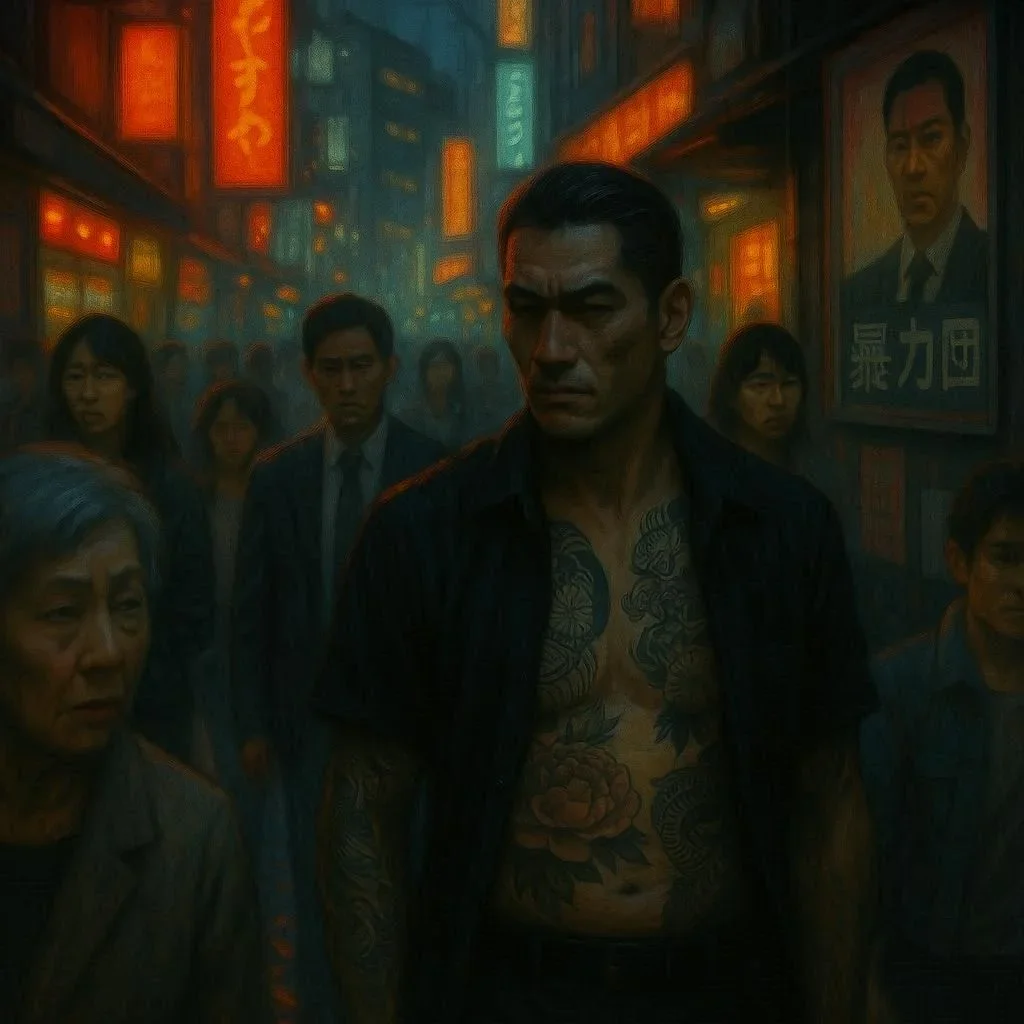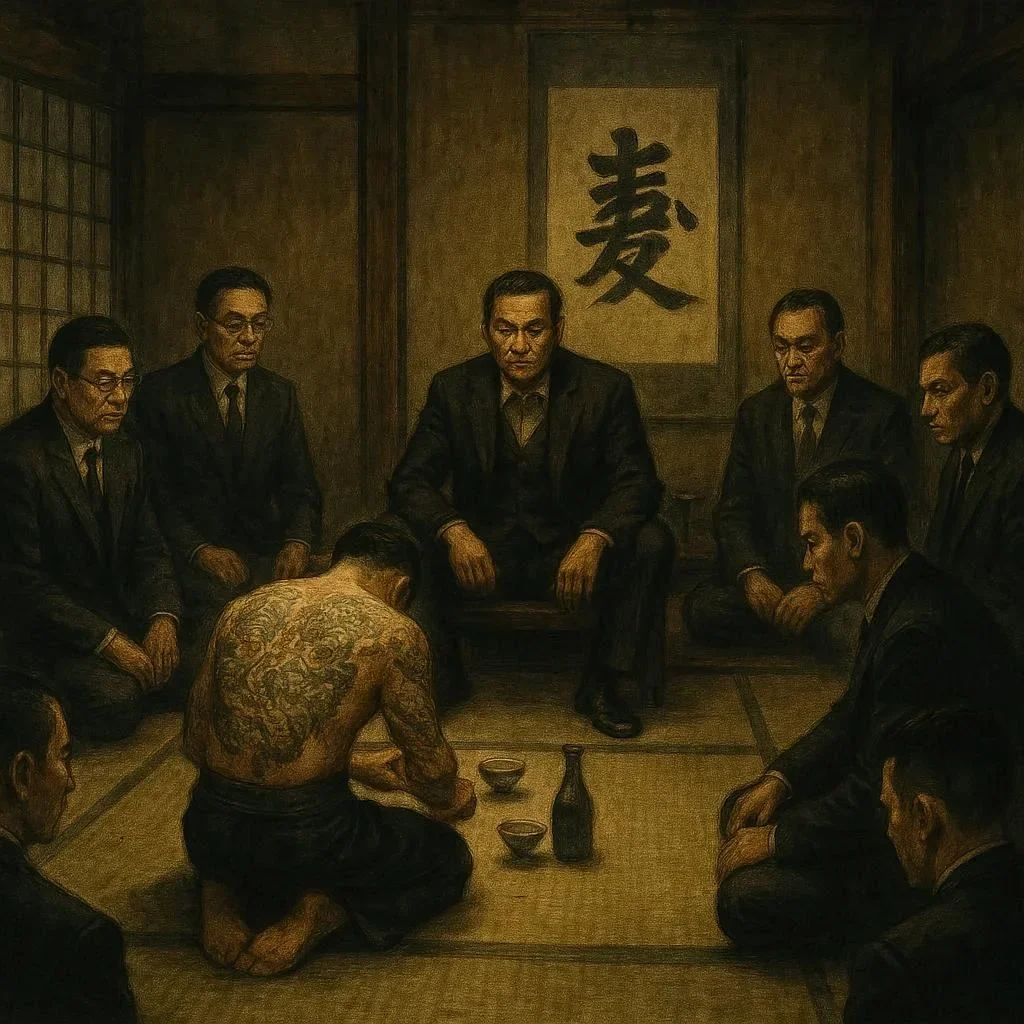
Japan’s oral traditions weave a tapestry of folklore, urban legends, and hidden truths. Yet beneath the surface of folk tales and whispered anecdotes lies a sobering reality: the enduring footprint of the Yakuza in everyday storytelling. Yakuza Influence is not merely a backdrop of criminal lore; it shapes how communities remember hardship, resilience, and collective identity. By exploring village gatherings, local festivals, and spoken memoirs, researchers are uncovering how organized crime has infiltrated—and sometimes mediated—cultural memory. The intersection of organized crime and narrative provides a unique lens to examine how history is narrated and preserved in Japan’s rural and urban landscapes alike.
Yakuza Influence on Urban Legends
Urban legends are a form of living folklore that often echo societal fears and power dynamics. In many Japanese cities, ghost stories about the Yakuza—such as the spectral haunt of the Yakuza’s dark lore—have become integral to communal myths. Scholars argue that these legends act as cultural mechanisms, allowing residents to process unresolved traumas induced by organized crime. The “Kappa” and “Yokai” tales frequently intertwine with Yakuza narratives, creating a hybridized folklore that blurs the line between myth and history.
Methodology Behind Japan’s Oral History Projects
Accusations of bias and narrative distortion can hamper interviews with sensitive subjects like the Yakuza. To mitigate this, oral historians employ triangulation—cross-referencing interview data with police reports, court documents, and media coverage. For instance, the Japanese legal database is used to confirm factual claims, while field recordings preserve the exact tonality of interviewees. Oral history projects often collaborate with community liaisons who have longstanding relationships, ensuring that participants feel secure enough to discuss Yakuza-related experiences candidly.
Community Resilience at Local Festivals
Local festivals, or matsuri, inadvertently become staging grounds where Yakuza influence surfaces. In the rural town of Nagano, for example, the annual lantern parade includes a partnership with a city police unit that originally had Yakuza infiltration. Oral accounts reveal how the parade’s sponsor—a former yakuza-affiliated entrepreneur—leveraged the festival to rehabilitate his image and patronize the local economy. Despite the violent background, the festival’s narrative now weaves a tale of redemption, indicating how Yakuza influence can pivot from oppression to community integration through ritual.
Key Findings: How Yakuza Influence Shapes Collective Memory
- Economic Mediation: Some communities credit Yakuza members for distributing financial aid during wartime shortages, embedding a gratitude narrative into local history.
- Architectural Legacies: Yakuza-sponsored construction projects—ranging from temples to public bridges—leave physical markers that perpetuate their presence in communal spaces.
- Social Networks: Informal networks created by organized crime sometimes double as emergency response teams during natural disasters.
- Legitimization through Media: Local newspapers occasionally feature Yakuza figures as “war heroes,” blurring the boundary between organized crime and honorable service.
Secondary Observations: Yakuza Identity in Folk Songs
Japanese folk songs have subtly encoded references to Yakuza code—such as phrases describing loyalty, courage, and secrecy. These motifs, when examined through the lens of oral history, suggest that the gentry’s taboo boundaries occasionally collapsed in favor of collective solidarity during turbulent times. For example, the folk song “Sakura Kirei” from the Aomori region contains a hidden stanza that alludes to the “Four Pillars of the Gangs,” a metaphor for the Yakuza’s core values. The song’s endurance demonstrates how Yakuza influence permeates everyday cultural artifacts.
Reflections on Ethics and Trustworthiness
When scholars investigate Yakuza narrative contributions, they must confront the moral quandary of preserving stories that involve violence and coercion. The principle of *do no harm* remains central; interviewees are provided with anonymity and psychological support to prevent re-traumatization. The Transparency of Method [The School of Law] insists that researchers maintain an ethical filter when presenting such findings to the public.
Conclusion: A Call to Preserve This Cultural Tapestry
Understanding how Yakuza Influence threads through Japan’s oral history allows us to appreciate the complexity of cultural memory. These narratives, whether vilified or celebrated, offer crucial insights into community resilience, economic adaptation, and identity formation. As historians, anthropologists, and curious readers, we stand at a crossroads where the past informs our present. Rather than dismissing such stories as mere folklore, we should honor their depth—and responsibly disseminate them for future generations.
Frequently Asked Questions
Q1. What is the main focus of Yakuza Influence on oral history?
The article examines how Yakuza involvement has shaped Japanese oral tradition, from festivals to folk songs. It looks at how these narratives mediate community memory of hardship and resilience. The focus is on both the positive and negative roles, such as aid distribution and cultural participation. It highlights the blurred line between criminal activity and cultural preservation.
Q2. How do researchers mitigate bias when interviewing Yakuza-related witnesses?
Researchers use triangulation by cross‑referencing police records, court documents, and news coverage. They also employ community liaisons to build trust. Field recordings help preserve voice nuance. Participants are guaranteed anonymity and psychological support to prevent re‑traumatization.
Q3. In what ways does Yakuza influence manifest in local festivals?
Festivals often feature Yakuza‑affiliated sponsors who help fund or manage events. The period following wartime saw some gang members donate aid, embedding gratitude into local lore. Recent examples include lantern parades with partnership between police units and former gang members. These events illustrate a shift from oppression to community integration through ritual.
Q4. Why is it ethically problematic to document Yakuza narratives?
Because the stories involve violence and coercion, researchers must adhere to a “do no harm” principle. The anonymity of witnesses protects them from retaliation. Psychological support prevents re‑traumatization. Transparent methodology helps maintain public trust.
Q5. How do Yakuza‑related motifs appear in Japanese folk songs?
Many songs include references to loyalty, courage, and secrecy that mirror Yakuza code. A hidden stanza in “Sakura Kirei” alludes to the “Four Pillars of the Gangs.” Such motifs show how the gang’s values seeped into everyday culture. These references help analysts trace the extent of cultural penetration.