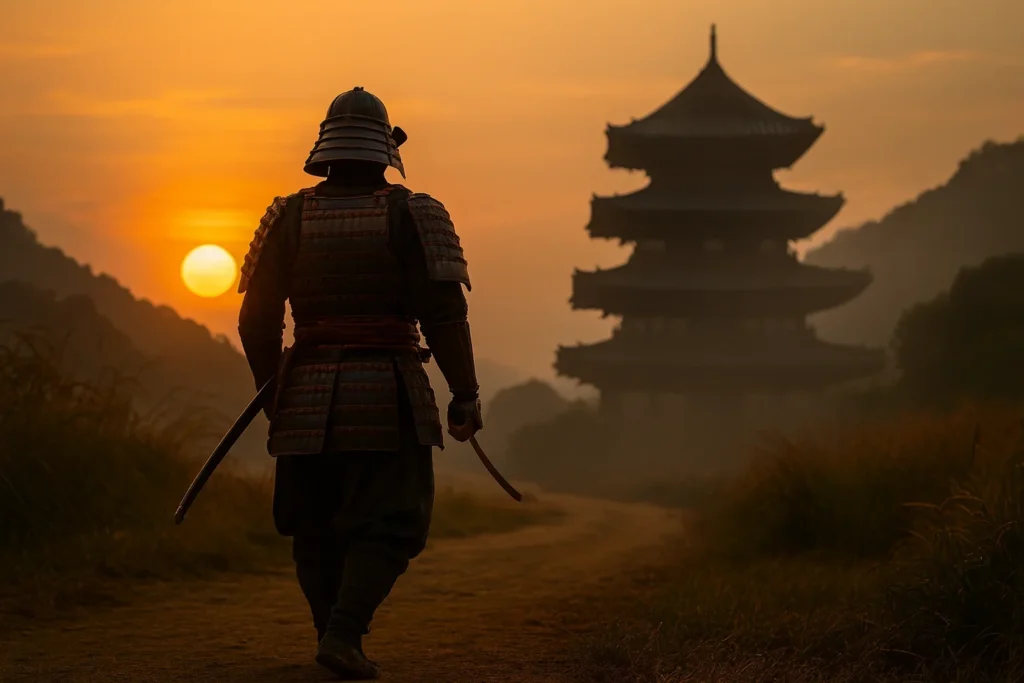
In the centuries of feudal Japan, the samurai were more than just warriors; they were scholars, poets, and keen observers of the world around them. Their code of honor, Bushido, was deeply intertwined with a reverence for nature, which they believed reflected the virtues of discipline, courage, and wisdom. By studying weather patterns, seasonal cycles, and the subtle rhythms of the land, samurai sharpened not only their swords but also their strategic minds. This profound connection between martial practice and environmental awareness is a compelling example of how a warrior culture can interpret nature to gain a tactical advantage and cultivate personal growth.
Early Observations of the Natural World
From the early days of dojo training, samurai were taught to watch the skies, listen to wind currents, and read the signs of the earth. It was customary for young swordsmen to begin their days early, observing the movement of clouds and the behavior of the local flora before the first strike. Through meticulous scrutiny, they learned to predict the weather and understand how different seasons affected armor, weapons, and combat formations.
Classic texts such as the Sobakuro manual contain detailed diagrams of seasonal martial techniques, correlating each sword movement to the prevailing environmental conditions. This integration of nature into the art of warfare illustrates how deeply the samurai perceived the natural world as a living ally rather than a mere backdrop.
Weather Patterns and Tactical Advantage
Samurai commanders mastered the science of weather forecasting long before meteorologists existed. They used observations of the northern sky, cloud formations, and the behavior of insect swarms to anticipate changes in climate. This knowledge was crucial during battles where sudden rain or wind could turn the tide. By predicting these shifts, samurai could decide whether to advance, fortify, or withdraw.
Below is an essential list of weather cues that samurai relied upon during sieges and skirmishes:
- Soaring white clouds over Mount Fuji often signaled a clear, sunny morning – ideal for cavalry assaults.
- Low, dark cloud banks usually heralded afternoon thunder, prompting defenders to secure their walls.
- Rapidly swelling wind currents were indicators of approaching dew or fog, which reduced visibility for archers.
- An abrupt absence of wind after a calm period often meant a dry, dust storm, creating a smokescreen for surprise attacks.
Each cue carried strategic implications, allowing the strategist to align their maneuvers with the subtle pushes and pulls of the atmosphere.
Landscape Topography in Samurai Strategy
The geography of Japan – with its rolling hills, dense forests, and narrow mountain passes – demanded that samurai develop intimate knowledge of topography. They studied the land systematically: mapping pathways, identifying natural barriers, and exploiting elevation for archery or defensive positions.
During the famous Battle of Okehazama, Oda Nobuyuki famously positioned his forces on a hill overlooking the koto (remote villages). The elevated stance, combined with the direction of the wind, allowed the samurai to strike decisively from the rear of the enemy’s supply lines. This example underscores a key principle: the samurai’s adaptability stemmed from a deep respect for the terrain around them.
Zen and the Mindful Engagement with Nature
Zen Buddhism infiltrated samurai culture as more than a philosophical framework; it was a practical tool for honing focus and serenity. The Zen practice of zazen (seated meditation) sharpened the mind’s ability to remain steady amid chaotic battle conditions.
Zen sages taught warriors to find mujo‑no‑seishun—the fleeting beauty of a cherry blossom in spring—reminding them that triumph and fall are both parts of nature’s cycle. By internalizing this perspective, samurai trained to maintain calm and to act with precise timing, almost as fluid as the currents they had studied.
In short, the samurai’s profound mastery of environmental intelligence—through observation, scientific reasoning, and intuitive practice—was inseparable from their core ethos. Their war stories are also environmental narratives, illustrated in temples, poems, and museum displays across Japan. The Samurai Wikipedia page details their honor code while the Bushido article explains how philosophy guided battlefield decisions. Insights into Zen practices are shared on Zen Buddhism resources, while weather guides illustrate the meteorological phenomena these warriors would have studied.
Conclusion: Aligning Purpose with Nature
So, what can modern readers learn from the samurai’s legacy of interpreting nature? Firstly, observation is essential: taking the time to understand a situation before acting leads to smarter decisions. Secondly, adaptability is key; what works today may become obsolete tomorrow, so continuous learning about the environment—whether it be markets, colleagues, or wildlife—ensures relevance. Finally, harmony between self and environment enables a balanced life rooted in purpose.
Are you ready to adopt a samurai mindset in your own pursuits? Share your next strategy or reflection in the comments below, and let’s build a community that values mindful engagement with our world.