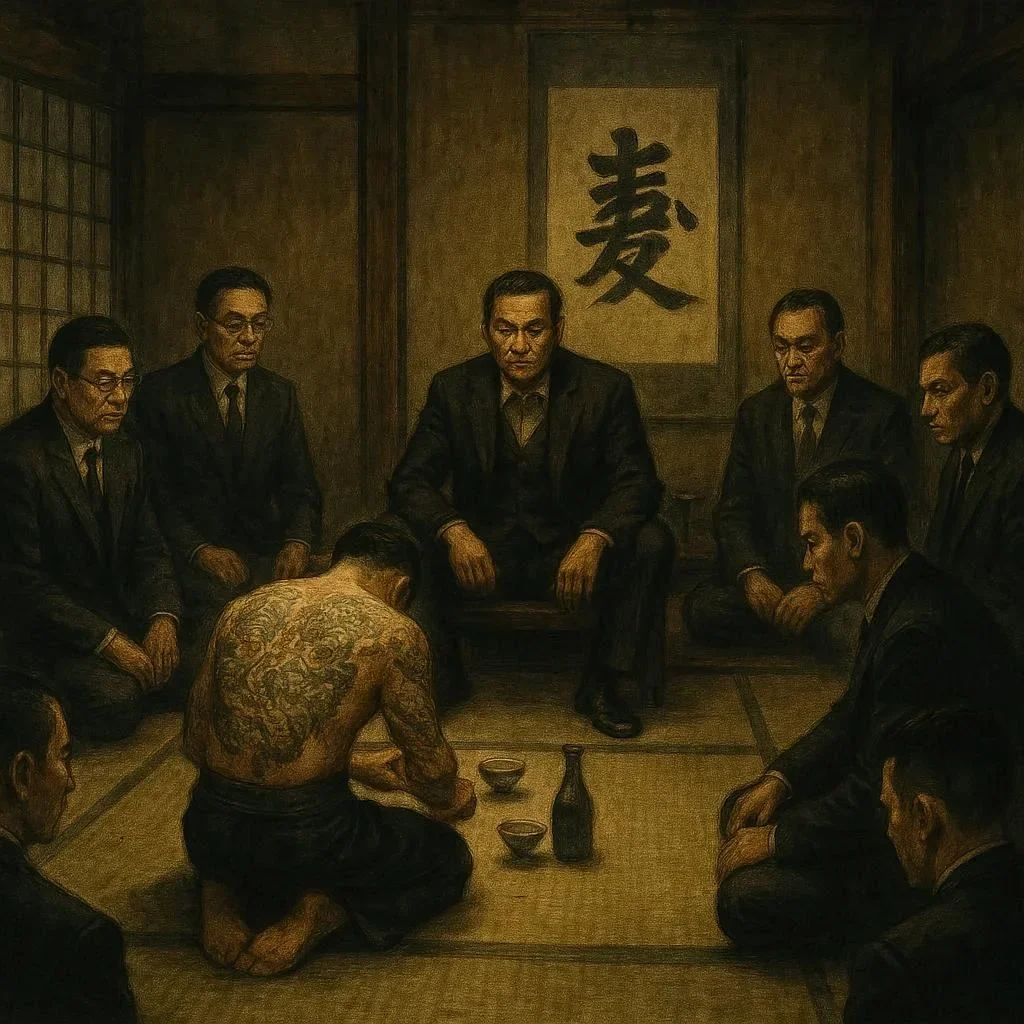
Samurai warriors were more than just fierce fighters; they were deeply rooted in a culture of discipline, loyalty, and reverence for knowledge. Central to that culture was the way Samurai honored their teachers—reflected in ritual, practice, and lifetime obligation. By exploring the rituals, mentorship techniques, and unwavering respect that Samurai gave to master swordsmen, we can gain a fuller understanding of the ethos that shaped Japan’s warrior class.
Samurai Mastery and the Role of Senior Swordmasters
At the heart of the Samurai training system was the senior swordmaster, or shishō, who served as the direct link between the past and the present. These seasoned warriors were entrusted with the responsibility of preserving techniques that had been refined over centuries. They taught their apprentices not only the mechanics of a strike but also the philosophy of Bushido—a code that integrated courage, honor, and self-discipline. Samurai trained in a Bushido framework, wherein the teacher’s integrity was considered as vital as swordsmanship itself.
Samurai Ritual of Gratitude and Rope Binding
Perhaps the most visually striking tribute the Samurai paid was the ritual of the rope binding, known as hinkaku‑ni. When a new student entered a dojo, a cord would be knotted around the master’s wrist, signifying a binding of gratitude and the acknowledgment of an unbroken chain of knowledge. The knot was tied in a specific pattern, each loop a reminder of the master’s teaching, presence, and guiding spirit. This practice echoed similar traditions seen among other martial arts where a Samurai would keep a piece of the teacher’s clothing or a small token as a sacrosanct reminder of their bond.
Samurai Mentorship Practices: The Dojo as a Sacred Space
Training grounds were more than just schools; they were sanctified spaces where respect flowed in ritualized silence. The dojo’s layout itself reinforced hierarchical respect: the highest seat was reserved for the senior master, and junior wakashū would kneel at ground level. This physical arrangement made the teacher’s wisdom palpable. The Samurai’s mentorship tradition had further layers that went beyond technique:
- Daily Rituals – Learning to don the traditional hakama, folding the kimono, or observing the look of a tempered blade marked the start of a student’s day. These actions embodied humility and discipline.
- Commemorative Letters – Many Samurai kept shohin (scrolls) written by their mentors, recounting lessons, mottos, and anecdotes. These scrolls were not only treasured but also displayed during assemblies for reference.
- Formal Apology (Jūgen) – If an apprentice made an error, they would perform a sworn apology, a ritualized confession that reflected the teacher’s willingness to correct them.
- Living Testimony – Successful swordsmen would recite their master’s teachings as part of their oaths, ensuring that the knowledge lived beyond their own lifetime.
Samurai Legacy and the Transmission of Honor
Samurai families took after their mentors through generations. The apprenticeship constituted a legacy that permeated the entire house. By the time a warrior attained the rank of samurai kenjutsu, they were expected to pass on teachings to younger members or even friends, reflecting the cycle of honor. This legacy manifested in multiple ways:
- Family kata practices were performed at feasts or funerals.
- Apprentices carried keppaku (battle-reckless banners) displaying the crest of their master.
- Legends recorded how a revered master’s technique was used to quell a rebellion or protect a domain.
The preservation of these stories further reinforced the sanctity of teacher-student bonds. In many cases, historical records preserved names of mentors, and these memories became part of local folklore, immortalizing the spirit of respect that Samurai prized.
Conclusion: Enduring Lessons for Modern Readers
By examining the intricate rituals and steadfast practices Samurai used to honor their teachers, we uncover a profound lesson about mentorship: that learning is a journey that should be approached with humility, reverence, and a desire to carry forward the wisdom entrusted to us. Whether you’re training in a martial art, pursuing coding bootcamps, or seeking guidance in a professional field, the Samurai’s devotion to respectful learning can guide your own path.
For further insight into Samurai culture and mentorship, explore these reputable sources: