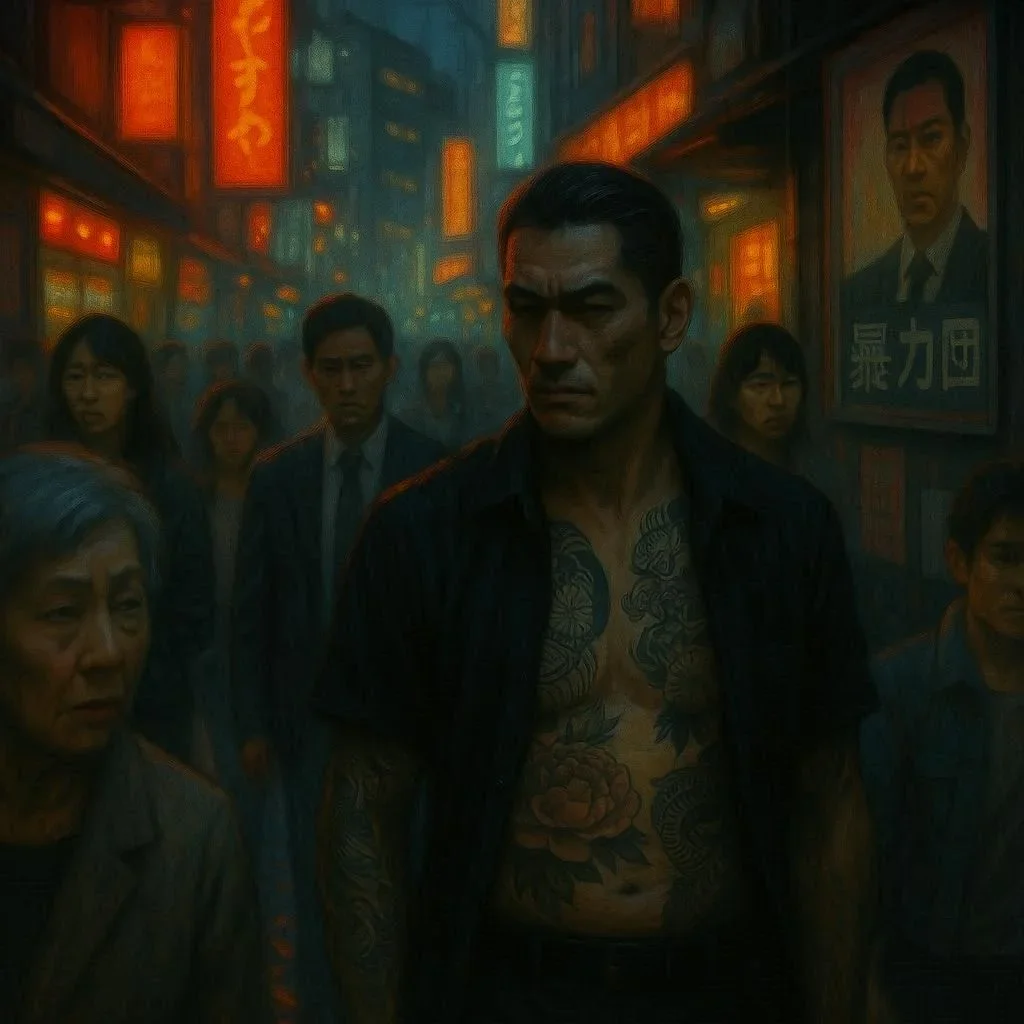
The concept of the samurai spirit has transcended its origins as a martial code of honor to become a global symbol of discipline, loyalty, and inner resilience. Rooted in the centuries‑old traditions of feudal Japan, this spirit now finds itself reflected in contemporary media, corporate ethics, personal development programs, and mindfulness practices. By exploring how modern society reinterprets the samurai ethos, we can uncover valuable lessons for leadership, well‑being, and cultural appreciation.
Reimagining the Samurai Spirit in Modern Society
Traditionally, the samurai spirit was defined by Bushido—a set of principles that emphasized courage, righteousness, and loyalty to one’s lord. However, in the 21st century, the spirit is being re‑interpreted in contexts far beyond historical armor and swordsmanship. It has become a metaphor for personal mastery, ethical entrepreneurship, and adaptive teamwork in fields as varied as technology start‑ups, sports coaching, and corporate governance. The adaptability of the core values allows the samurai spirit to resonate with audiences who may not share the same historical backdrop or cultural heritage.
The Samurai Spirit in Film, Anime, and Video Games
Modern popular culture offers a vivid laboratory for studying the samurai spirit’s evolving representation. From 1970s cinema to today’s high‑budget anime, creators use samurai archetypes to explore power dynamics, identity conflict, and the tension between duty and personal desire. For example, classic samurai films such as Seven Samurai depict moral leadership in challenging circumstances, while contemporary anime series like Naruto weave Bushido principles into action‑packed storylines for a global audience.
- Historical Accuracy vs. Artistic License – Modern storylines often distill the essence of the samurai spirit into universal themes, making the tales accessible to non‑Japanese viewers.
- Interactive Media – Video games such as Ghost of Tsushima let players experience decision‑making that mirrors the ethical dilemmas faced by real samurai.
- Cross‑Cultural Influences – Japanese video game designers frequently collaborate with international studios, allowing the samurai spirit to translate into diverse gaming cultures.
These artistic representations show how the samurai spirit continues to spark imagination while subtly educating audiences about the values of perseverance, self‑discipline, and strategic thinking.
Corporate Ethics and the Samurai Spirit
Businesses worldwide are increasingly seeking narrative frameworks that inspire resilience and focus. Implementing the samurai spirit in corporate training involves adapting the core tenets—integrity, continuous improvement, and respect for colleagues—into practical performance metrics. For instance, Japanese tech firms such as Fujitsu embed the principle of kaizen (continuous improvement) in product development cycles, echoing the samurai obsession with mastery. Outside Japan, firms in Silicon Valley have adopted “samurai” as a program name for ethical frameworks that prioritize transparency and accountability in AI development.
When executives model a samurai mindset, they often emphasize:
- Goal clarity and mission alignment;
- Transparent decision‑making processes;
- Proactive skill development for all team members.
These practices encourage a culture where self‑discipline is vital for excellence, not merely a historical anecdote. By using the samurai spirit as a storytelling tool, leaders create compelling narratives that help employees internalize company values in a culturally respectful way.
Mental Wellness and Mindfulness: Embodying the Samurai Spirit
Modern wellness trends often borrow language from traditional disciplines, and the samurai spirit is no exception. Practices such as mindfulness meditation, which shares common philosophical roots with Bushido—namely a focus on the present moment and self‑reflection—are integrated into corporate mental‑health programs. Research from Journal of Positive Psychology indicates that mindfulness training rooted in samurai values improves decision‑making and emotional regulation. The disciplined breathing techniques used by samurai monks, such as zazen and the control of breath is recognized by Western therapists as a powerful tool for managing stress.
Furthermore, many self‑help books incorporate the samurai spirit to illustrate the importance of perseverance and personal responsibility. These guides combine storytelling with actionable steps, offering readers a blueprint for navigating life’s challenges with the same calm gravitas that ancient warriors once wielded.
Conclusion: Harnessing the Samurai Spirit for Tomorrow
From ancient scrolls to cutting‑edge business models, the samurai spirit has shown remarkable versatility. Whether you are a historian, a business strategist, a video gamer, or an individual seeking personal growth, there’s a way to adopt this timeless philosophy into your everyday actions. Embrace the samurai spirit today: commit to continuous improvement, honor the integrity of your work, and cultivate inner calm. Start by setting a simple, clear goal—then follow through with disciplined practice, just as samurai did for centuries.