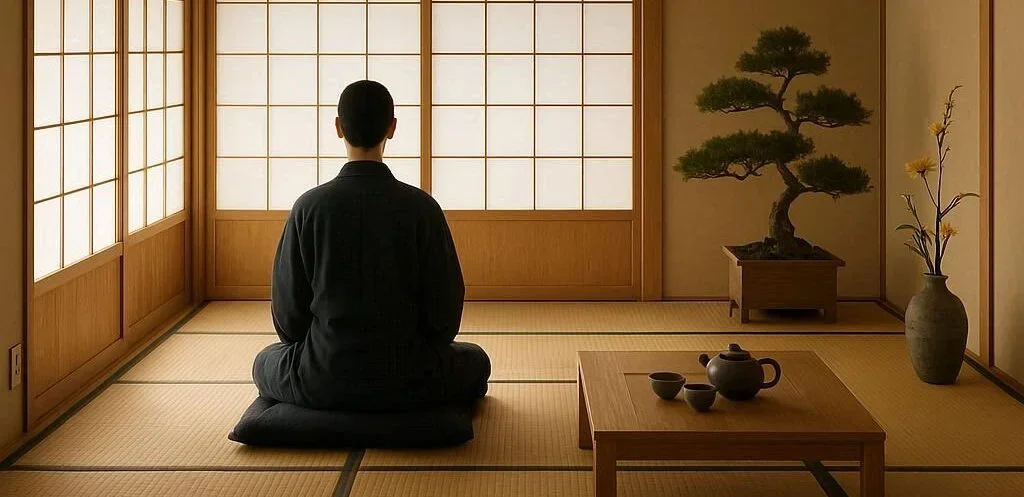
When visitors step into a Japanese shrine or temple, the quiet hum of a chanter, the gentle plink of a koto string, or the resonant beat of a taiko drum often precedes the solemnities. Melody is not just background accompaniment; it is the very rhythm that weaves ceremony into cultural identity, guiding participants through a shared experience of devotion, celebration, or remembrance. Understanding how melody shapes Japanese religious and secular rites offers insight into the country’s rich sonic heritage and the continuum of its music practice.
Sacred Soundscape of the Shinto Shrine
Shinto ceremonies—Japan’s indigenous faith—rely heavily on specific musical signatures that align with ritual sequence. The core element is the Shōka suite, a collection of chants performed with shamisen and koto. These tones accompany the norito, the prayer texts recited by priests, signaling transitions from preparations to the opening of ceremonial gates. The pitch contours are designed to elicit a sense of purity—the “kōshiki” (formal) melodic scale—providing an audible boundary between the mundane and the divine.
In addition, the shōai ensemble, comprising flutes and bronze bells, joins the samurai’s drumming for the purification rites. Melodies here are deliberately simple to foster a contemplative state; the focus is on the resonance of the repeated syllables of mantra and the communal shouts of “hoho.” scholars such as Yamada Sakutaro highlight the importance of these melodic lines in sustaining the auditory illusion of divine presence for both participants and observers.
For further exploration, the Japanese Ministry of Culture’s Shinto page provides resources on ceremonial practices and the role of music within them.
The Royal Resplendence of Gagaku
Gagaku, the court music that dates back to the Heian period, showcases a more complex melodic framework cherished at imperial rituals. The music is performed on a wide array of instruments—flutes, bamboo trumpets, stringed harps, and percussion—each tuned to a pentatonic scale that emphasizes subtle shifts in pitch. Historically, gagaku served as the sonic backdrop for noble processions, weddings, and the annual celebrations of the emperor’s ascension.
During these ceremonies, melody acts as a timekeeper, marking the rhythm of formalities: the entrance of officials, the offering of incense, the ceremonial tea ceremony that follows. Thematic motifs—known as meiwari—intricately link melody to historical lineage, thereby reinforcing a sense of continuity and legitimacy. Modern scholars, such as Katsura Ishikawa in his work on “Court Music and Social Order,” argue that the carefully choreographed melodic patterns functioned as both an emblem of cultural hierarchy and a means of involving the court attendees in a shared cultural memory.
The sound of gagaku has even found application in contemporary music festivals and film soundtracks, tapping into the epochic aura that resonated through centuries. The Japan Heritage site for Gagaku offers deeper insight into its performance practice and historical documentation.
Handcrafted Harmonies: Koto & Shamisen
Unlike gagaku’s octagonal halls, musical traditions that involve the koto and shamisen root themselves in acting and storytelling. The koto, an ōyamabe—Japanese zither with 13 strings—produces a slow, floating melody that’s central to tea ceremony music. Each song is noted by its gagaku-ryū style, reflecting the tranquility and minimalism required for the meditative focus of tea ceremony participants.
The shamisen, with its two bridges and three strings, brings a more robust, rhythmic character suited to entertainment events such as kabuki and live storytelling. Its vibrant melodies are dialectic in large-scale festivals where energy is key for folk celebrations. A notable example can be seen during the Yokohama Fish Market where shamisen accompaniment underscores the waking village, propelling both locals and tourists into an evocative auditory environment.
- Koto – melodic, ethereal tones, ideal for contemplation
- Shamisen – rhythmic, dynamic melodies, suited for storytelling and public celebrations
- Taiko Drums – drive communal rhythm, often punctuating processional footfalls
- Shō Gōki – bamboo flutes that introduce gentle melodies at the start of ceremonies
References on the methodologies for koto and shamisen study can be found at the Kokugakuin University Music Program, outlining instruction for aspiring instrument masters.
Folk Resonance: Taiko Rings in Festivals
Taiko—Japanese drum drama—has become a global export, but its national aroma originates from its role in festivals. These wooden drums provide a bass line that unifies the chorus of villagers, welcoming guests with rhythmic pulses that echo the heartbeat of community. Each beat signifies a different phase: the drum’s booming rolls herald a procession’s start, sustained strokes symbolize the communal unity during rites, and syncopated slaps applaud concluding greetings.
Throughout the Kansai region, especially during the Kifune Festival, women and men play taiko in unison, drawing participants into a tapestry of sound that is both inclusive and participatory. Scholars such as Mitsuo Taniguchi have shown that taiko’s melodic potency is tied to its percussion, capable of coaxing listeners into a trance-like state, thereby deepening the emotional impact of the ceremony it marks.
For a deeper dive into taiko’s historical evolution, visit the Nichigai International Taiko Organization’s site for research publications and live performance archives.
Conclusion: Melody as Cultural Continuum
Across the spectrum of Japanese ceremonies, from shinto purification to imperial pageantry, from quiet tea tables to vibrant street festivals, melody is the invisible thread that weaves belief, tradition, and communal participation into a coherent whole. Rather than merely accompanying, music prescribes the timing, sets the mood, and anchors collective memory, ensuring that each ceremony remains both a personal and an intergenerational experience.
Whether you’re attending a Shinto chant, watching a gagaku performance, or joining a taiko parade, let the melody guide you—uncover its layers, and let it enrich your understanding of Japan’s cultural choreography.
Explore! Join a local ceremony or visit Japan’s treasured shrine sites to experience how melody shapes centuries of tradition. Plan your journey today.