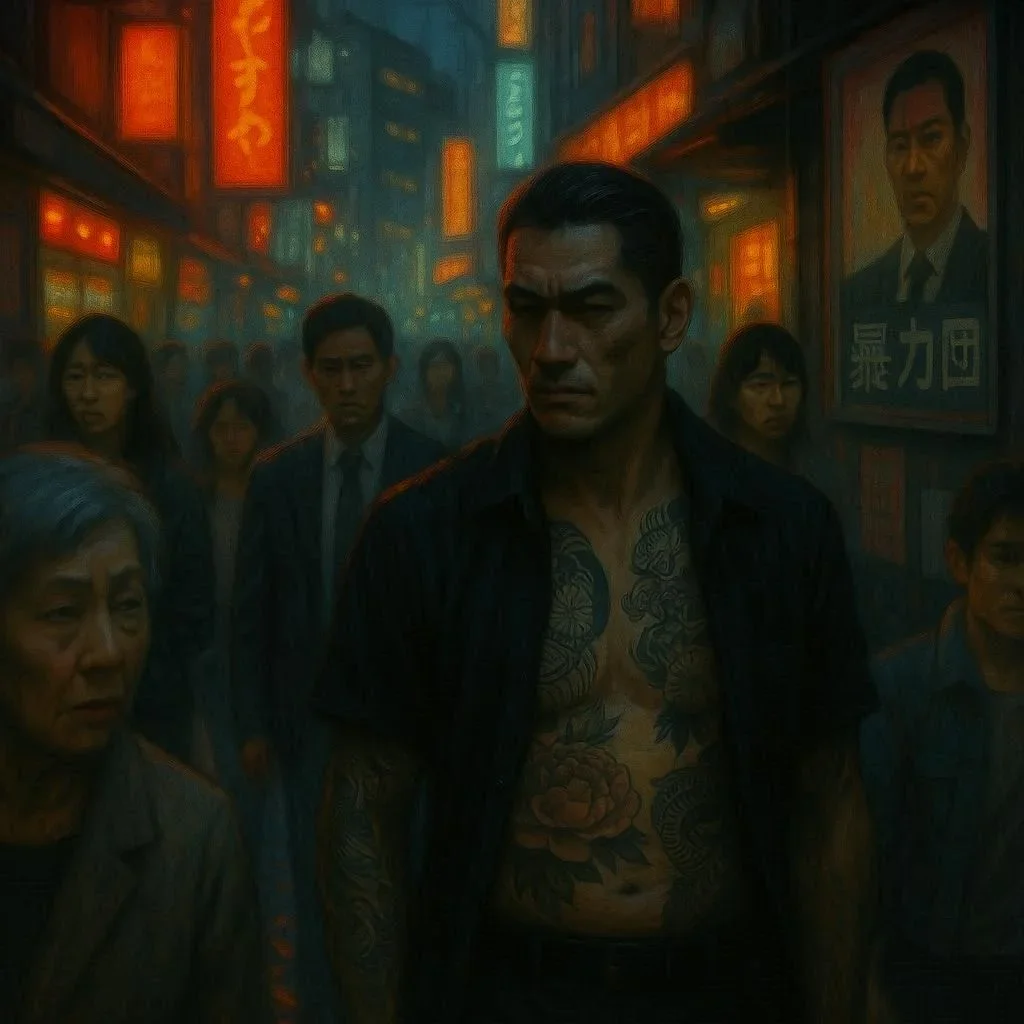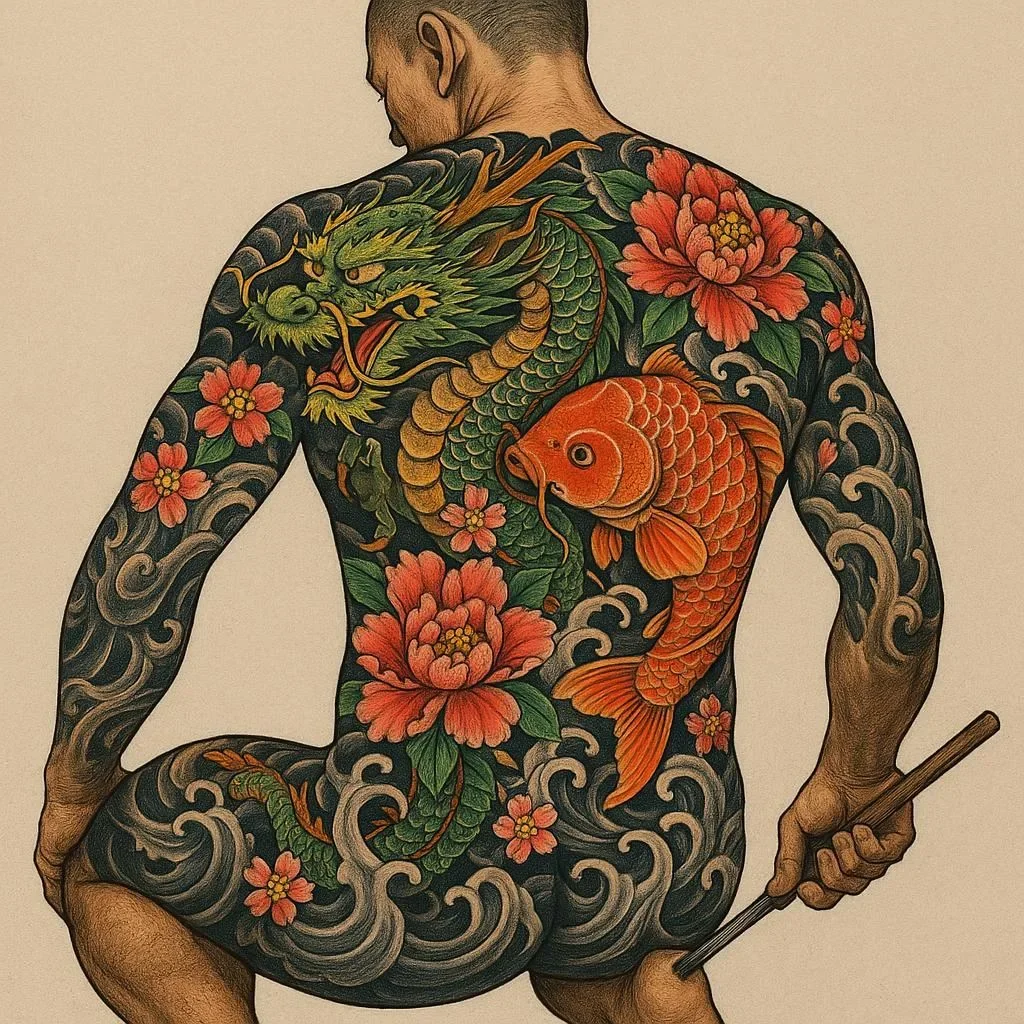
Japanese Tattoo, a practice rooted in centuries of spiritual and artistic tradition, has undergone a remarkable transformation from ritual body art of the Edo period to a global symbol of personal expression. Understanding this evolution requires a dive into the cultural, historical, and contemporary layers that shape Japanese Tattoo today. This article explores the origins, symbolism, and modern reinterpretations of Japanese Tattoo, while offering practical insights for artists and enthusiasts alike.
Origins: The Birth of Irezumi
The earliest records of Japanese Tattoo, or irezumi, date back to the 18th century when itinerant artists began using ebony ink, charcoal, and indigo dyes to create bold lines across the bodies of merchants, samurai, and criminals alike. The social function was double‑edged: a form of status display for traders, yet a marker of guilt for those who had committed crimes.
Key to this era was the technique of “sashiko‑style shading, a method that produced highly detailed, realistic imagery reminiscent of woodblock prints. At its heart, Japanese Tattoo served both as a personal narrative and a communal language—a way to convey heritage, valor, or remorse.
For more on irezumi’s origins, see the detailed entry on Wikipedia: Wikipedia: Irezumi. Alternatively, the official Japan Travel portal provides broader context on cultural practices in the Edo period: Japan Travel – Cultural Traditions.
Symbolic Meanings in Classical Works
As Japanese Tattoo matured, it began to incorporate elements from classical literature and religious iconography. Most iconic motifs—including the koi fish, lotus flower, and tiger—carries rich symbolic meanings that speak to resilience, purity, and strength.
The relationship between literature and ink is perhaps best illustrated in the transformation of the *Genji Monogatari* unfurled across a cat’s back as an artist’s homage to the novel’s poetics. Likewise, Buddhist influences turned each swirling shell into a representation of harmony and spiritual rebirth.
- Koi fish: perseverance and transformation (by swimming upstream).
- Lotus flower: enlightenment and purity as it rises from mud.
- Tiger: protective spirit for the wearer and familial guardianship.
- Dragon: generational lineage and imperial authority.
- Peony: prosperity and lavish wealth in traditional tales.
These themes reflected Japan’s cultural ethos; they remain central to Japanese Tattoo design today.
Modern Adaptations and Global Influence
The post‑World War II era introduced a new era of turbulence and mass migration, allowing Japanese Tattoo to spread beyond its borders. Western artists began experimenting with the fluidity of linework and the depth of color that Japanese Tattoo offered.
Today’s global tattoo scene has integrated elements of “flash art”—pre‑designed patterns that can be adapted quickly. The fusion of traditional irezumi with Western realism has given rise to hybrid designs that respect both heritage and contemporary storytelling.
Cataloguing this hybridization is the Metropolitan Museum of Art’s exhibit on Ink & Body Art, which showcases 19th‑century Japanese lithographs and contemporary tattoo panels: Metropolitan Museum of Art – Japanese Tattoo.
The Future: Digital Ink and Cultural Preservation
Digital technology has begun to influence tattoo placement, allowing for sophisticated color mapping and precision. Augmented reality tools enable clients to preview a Japanese Tattoo design in real‑time before committing ink to epidermis.
Such innovation, however, is accompanied by cultural preservation concerns. While the “digital guilds” have democratized artistic expression, they also threaten to dilute the cultural significance that has defined Japanese Tattoo for centuries.
In response, numerous universities offer graduate programs in *Tattoo Art History*, providing ethical frameworks and cultural sensitivity training for tattooists. Policy suggestions from academic studies—see the research database at Johns Hopkins University – Art & Culture Studies—highlight the need for conservation principles similar to those applied to national heritage sites.
Key Takeaways for Practitioners and Enthusiasts
- Historical literacy enhances authenticity— research the symbolic roots of each element before translating it onto skin.
- Respect client stories—adopt storytelling techniques that honor the wearer’s personal narrative, a practice reminiscent of early irezumi’s dual narrative role.
- Champion cultural sensitivity—avoid appropriative reinterpretations that strip traditional motifs of their context.
- Leverage digital tools—explore AR apps that let clients preview to ensure realism and confidence in design choice.
- Attend workshops hosted by cultural institutions, such as the Japanese Tattoo Online Academy (fictional example for illustrative purposes).
Conclusion: Embrace Heritage, Innovate Boldly
Japanese Tattoo is at a crossroads: a venerable tradition standing at the brink of unprecedented global acceptance. Whether you’re a seasoned artist or a newcomer eager to ink your own story, the path forward lies in blending deep cultural insight with adventurous creativity. By honoring the heritage of irezumi, embracing ethical practices, and utilizing emerging digital innovations, you can help preserve the artistry that has defined generations.
Frequently Asked Questions
Q1. What is irezumi and how does it differ from Western tattoo styles?
Irezumi is the traditional Japanese tattooing technique that emerged in the Edo period, characterized by bold linework, vibrant colors, and symbolic motifs drawn from folklore, religion, and nature. Unlike many Western styles that often start with a realistic or illustrative base, irezumi places great emphasis on story, authenticity, and cultural significance. The process typically involves hand-poke or needle methods that allow for intricate shading and maintain a sense of organic flow that is unique to the Japanese aesthetic.
Q2. Which symbols are most common in Japanese tattoo designs and what do they mean?
Common symbols include the koi fish meaning perseverance, the lotus flower symbolizing purity, the tiger representing protective spirit, the dragon denoting lineage and authority, and the peony for prosperity. Each motif carries layered meanings derived from classical literature, Buddhist and Shinto beliefs, and historical narratives, allowing wearers to embed personal or communal stories into their skin.
Q3. Is it culturally appropriate to get a Japanese tattoo if I’m not Japanese?
While Japanese tattoo designs are widely admired, cultural appropriation can become a concern if the art is used without respect for its heritage. It is advisable to research the symbols deeply, consult knowledgeable artists, and approach the work with an appreciation for its historical context. Artists who are trained in irezumi typically emphasize ethical storytelling and cultural sensitivity to ensure respectful practice.
Q4. How has digital technology changed the way Japanese tattoos are designed?
Digital tools now enable precise color mapping, realistic edge simulations, and interface-based customization before a needle touches the skin. Augmented reality applications let clients preview placements and adjust designs in real time, offering greater confidence and reducing potential regrets. However, these innovations also raise concerns about diluting cultural significance, prompting many practitioners to balance tradition with tech.
Q5. Where can I learn more about traditional Japanese tattoo techniques?
Many universities and cultural institutions offer graduate programs and workshops focused on tattoo art history, ethical frameworks, and traditional methods. Online platforms such as the Japanese Tattoo Online Academy and magazines like Inked provide educational resources, while museums—e.g., the Met’s “Ink & Body Art” exhibit—offer insight into historical pieces and contemporary hybridity.