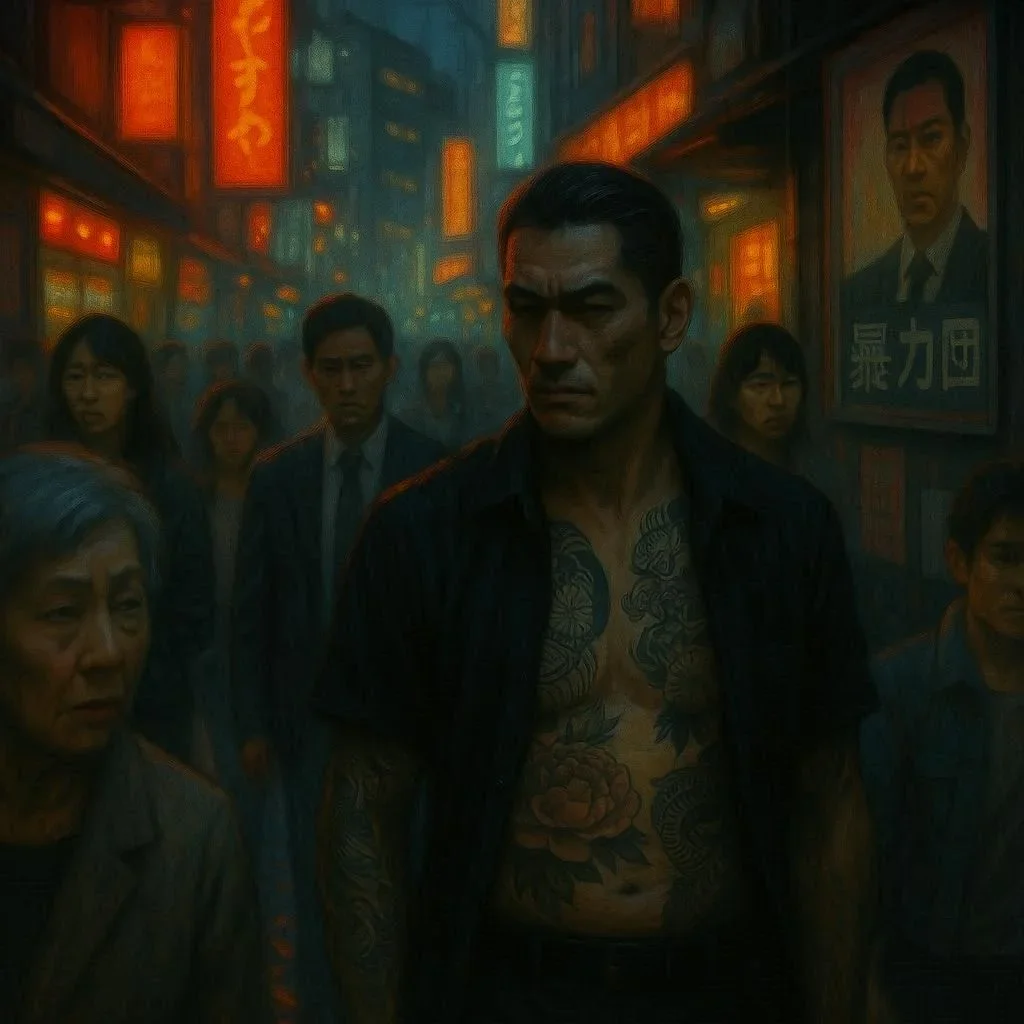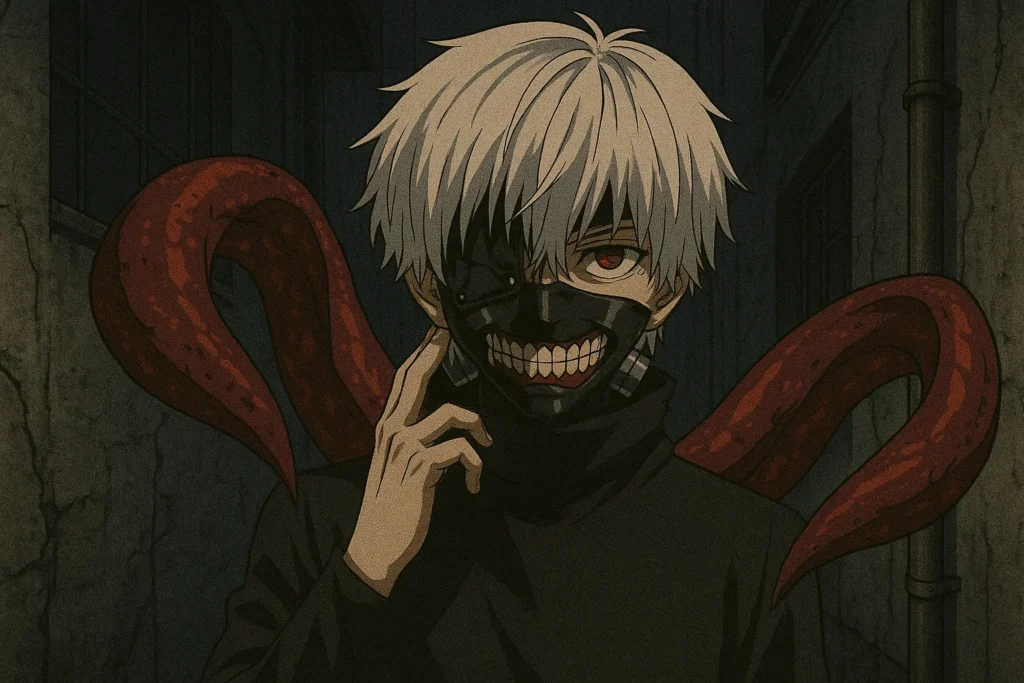
When it comes to animated storytelling, two distinctive worlds often dominate the conversation: Anime and Western Animation. Though both mediums share the same core medium—moving pictures—they diverge dramatically in art style, narrative structure, cultural context, and production methodology. Understanding these differences helps viewers appreciate each form on its own terms, and offers animators valuable insights into how storytelling can be shaped by cultural norms and audience expectations.
Artistic Foundations: Style and Visual Language
Anime typically features highly stylized, expressive character designs, with large, emotive eyes, exaggerated facial expressions, and a strong emphasis on subtle visual cues to convey inner emotions. Western animation often favors a more restrained, realistic approach, although this varies from the hyper‑cartoonish aesthetics of early Disney to the sleek realism of Pixar and DreamWorks computer‑generated imagery (CGI). A clear illustration of these divergences is the contrasting choices seen in iconic titles: the meticulous, fluid hand‑drawn frames of Spirited Away versus the polished, CGI landscapes of WALL‑E.
Moreover, Anime frequently employs minimal background detail to keep the focus on character dialogue and dynamic action. Western titles, especially those aimed at family audiences, often build elaborate environments to immerse the viewer in an expansive world. The use of color tone also differs: Anime can lean toward muted palettes to highlight mood, whereas Western Animation tends to use bright, vibrant hues that appeal to a broader, typically younger demographic.
Narrative Structure: Themes, Length, and Audience
One of the most striking contrasts between these traditions lies in episode length and season structure. Anime episodes traditionally last 24 minutes, whereas many Western animated shows feature shorter 11–22 minute formats. This distinction influences pacing: Anime allows for detailed world‑building, sub‑plots, and character arcs that can span dozens of episodes, while Western series are often designed for swift, episodic resolution—though recent developments such as the serialized Arcane series show a shift toward longer narratives.
Audiences also differ. Anime frequently targets teens and adults with mature themes like grief, identity, and political commentary. Western animation historically served children, but the rise of “adult animation” (e.g., South Park, The Simpsons) demonstrates a growing appetite for complex humor and social critique across age groups. These divergent demographics shape both the storytelling direction and the creative choices that accompany it.
Production Workflow: Studio Systems and Collaboration
Anime production often follows a tiered pipeline within a single studio, with strong emphasis on collaboration between storyboard artists, animators, and voice actors. Budget constraints result in limited full‑animation frames, relying heavily on inbetweeners and recycled backgrounds. The famed “limited animation” style permits expressive storytelling while keeping costs manageable. In contrast, Western studios typically separate creative departments (writing, storyboarding, voice recording, layout, animation) across multiple outsourcing partners worldwide, creating a globalized pipeline. The result is a more uniform, high‑resolution finish in line with the expectations of modern CGI‑centric audiences.
Technological choices reflect these processes as well: Anime often uses hand‑drawn digital tablets, while Western studios heavily depend on advanced computer animation packages. This technological angle influences the visual grammar each style conveys—hand‑drawn strokes create an organic feel versus the crispness of CGI.
Cultural Context: Symbolism, Social Norms, and Storytelling Conventions
Anime storytelling is deeply rooted in Japanese cultural norms. Frequent use of honorifics, group dynamics, and storytelling motifs like “life lessons” or “heroic duty” resonate with a domestic audience. Visual metaphors such as sakura blossoms to signify transience or kitte‑motifs to signify protection are prevailing. Western animation has traditionally embraced American cultural values like individualism and humor, often foregrounding fast‑paced comedy or always‑on‑positive messages to suit broad family viewership. The differences extend into narrative expectations—Western titles commonly strive for a clear, satisfying resolution in each episode, while Anime may leave storylines open, encouraging repeated viewings for deeper comprehension.
- Polysemy of visual metaphors varies: anime’s stained‑glass symbols versus Western cartoons’ literal storytelling.
- Audience participation: Fan mail, art contests versus community-driven social media chord.
- Cross‑media influences: Manga serialization versus television syndication.
Conclusion: Bridging Worlds—What Animators and Fans Can Learn
While Anime and Western Animation maintain distinct traditions, the lines between them have blurred in recent years. Global streaming platforms provide a shared digital marketplace where viewers can easily explore both types. Animators gain new tools and cross‑culture inspirations: the dynamic pacing of Anime informs Western storytellers, and the high‑fidelity CGI of Western studios offers Japanese studios opportunities for visual experimentation.
Recognizing these differences empowers creators to borrow strengths, adapt storytelling techniques suited to their cultural context, and produce content that resonates universally. Whether you’re a fan seeking deeper appreciation or a filmmaker looking to innovate, understanding the core contrasts between Anime and Western Animation opens a pathway to richer, more inclusive storytelling.
For more details on these topics, explore these authoritative resources:
Academy of Motion Picture Arts and Sciences: Animation Division