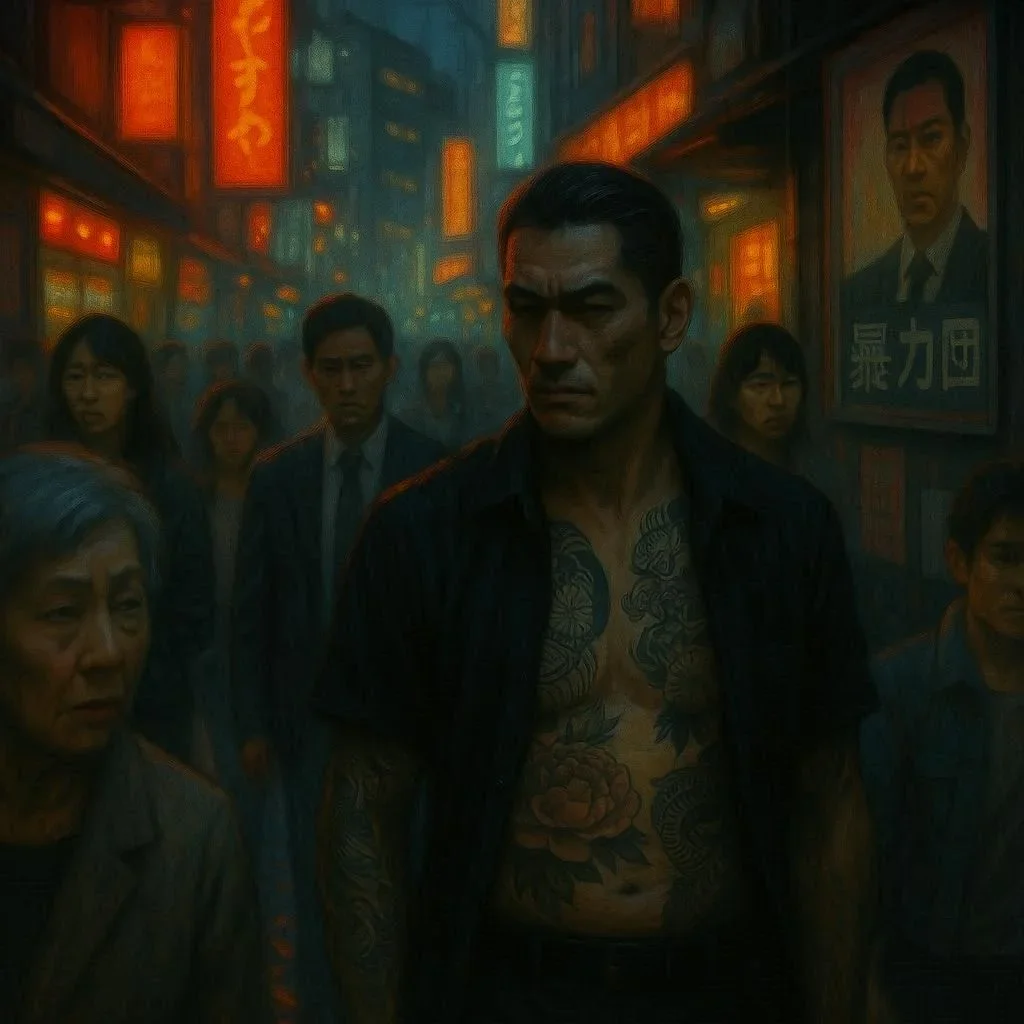
Anime Character Development Analysis is a vital lens through which fans and creators alike can appreciate the depth and complexity of beloved series. By dissecting the evolution of protagonists, exploring the motivations behind their choices, and understanding how narrative structure shapes their arcs, we gain insight into why certain characters resonate across cultures. This article is grounded in scholarly research and fan theory, offering a comprehensive yet accessible guide to character development in the world of anime.
Foundations of Character Growth
The first step in any thorough analysis is to define what constitutes “development.” In anime, character growth often manifests through a shift in worldview, a newfound emotional maturity, or a change in goals. Scholars such as research on narrative emotion suggest that well‑executed arcs maintain a delicate balance between conflict and resolution, keeping viewers invested in both the journey and the destination. When we apply these principles to anime protagonists, we can better recognize the subtle cues that signal a meaningful transformation.
Backstory: The Seed of Motivation
Without a strong backstory, even the most dynamic character can feel flat. In many franchises—such as Naruto—early revelations about family, loss, and cultural expectations serve as catalysts for the hero’s ambitions. These early scenes create empathy and provide contextual “why” for a character’s later choices, enabling the audience to track growth over time. Importantly, a well‑crafted backstory establishes stakes that transform incremental progress into an emotional payoff for viewers.
The Mechanics of Arc Design
Anime arcs are considerably longer than their Western counterparts, offering a unique opportunity for layered storytelling. A key technique is the use of “sub‑arcs” that reinforce a character’s main journey while introducing new themes. For instance, in the acclaimed series One Piece, each member of the crew experiences a distinct sub‑arc that aligns with the overarching quest for freedom. Below are five essential elements that any anime developer should master:
- Inciting Incident: Sparks the protagonist’s quest, often tied to a personal loss.
- Rising Tension: Compulsory obstacles that force the character to adapt.
- Midpoint: A crucial revelation that reverses the initial trajectory.
- Climax: The character confronts the core conflict, typically a test of resolve.
- Resolution: A new equilibrium that reflects transformation.
Each of these pillars ensures that the character’s journey remains coherent and satisfying while allowing for gradual character enrichment.
Emotion vs. Destiny: Fans’ Thematic Lens
Fan theories often illuminate hidden emotional threads that creators intentionally embed. An intriguing phenomenon is the “emotion-resonance hypothesis,” which suggests that characters who channel relatable anxieties—such as identity crises or the fear of abandonment—achieve heightened audience engagement. This dynamic is evident in series like Steins;Gate, where the protagonist’s time‑travel dilemma underpins both philosophical depth and visceral tension.
Moreover, the interplay between destiny and choice remains a recurring motif throughout shōnen tropes. Anime protagonists often confront a predestined path, yet their agency governs the ultimate outcome. This tension fuels the drama of the arc. By examining how creators balance these forces, fans gain a richer understanding of the narrative architecture that sustains binge‑watch culture.
Academic Perspectives: A Cross‑Disciplinary Lens
Scholars from fields such as media studies, psychology, and comparative literature contribute valuable frameworks for character analysis. For instance, research published by the Japanese Society for Animation Studies highlights how cultural values subtly inform emotional resonance in character arcs. Psychologists emphasize the importance of conflict resolution for character agency, while literary critics parse archetypal patterns that transcend specific works. By integrating these perspectives, analysts can dissect not only the surface mechanics but also the deeper motifs that resonate across audiences worldwide.
Examples of Masterful Growth Trajectories
1. Levi Ackerman – Attack on Titan: Initially presented as a stoic soldier, Levi’s backstory reveals vulnerabilities that transform his leadership role. His arc showcases how trauma can be reframed as resilience, offering a nuanced take on strength.
2. Inuyasha – Inuyasha: Combining Shinto mythology with Western manga influences, Inuyasha’s moral conflict between demon heritage and human empathy exemplifies a dynamic character trade‑off between instinct and empathy.
3. Usagi Tsukino – Sailor Moon: A teen prankster who evolves into a cosmic guardian, Usagi demonstrates how a single shift—acceptance of responsibility—can retroactively reinforce earlier behavior patterns.
What Keeps Audiences Hooked?
The sustainability of an engaging arc relies on interwoven subplots and a consistent thematic rhythm. Audience retention studies reveal that viewers are drawn to characters whose growth mirrors internal victory over external adversity. Thus, successful series embed characters in worlds that challenge their embryonic desires, allowing incremental victories to culminate in transformative climaxes.
Conclusion: Crafting Stories That Last
By marrying scholarly frameworks, fan theories, and practical design techniques, Anime Character Development Analysis equips creators and critics alike to evaluate, create, and celebrate complex character journeys. Whether you’re a writer looking to craft a memorable protagonist or a devoted fan eager to dissect your favorite arc, these insights illuminate the mechanics behind unforgettable storytelling.