Anime has become a global phenomenon, but the art styles that define its visual language can be as varied as the stories it tells. Whether you’re an aspiring artist, a fan drawn to the striking visuals, or a content creator wanting an authentic aesthetic, understanding the fundamentals of Anime Art Styles is essential. In this guide, we’ll unpack key stylistic categories, trace their historical roots, and provide practical tips so you can start crafting characters that capture the spirit of Japanese animation in just a few concise steps. The world of anime art is rich with cultural nuance and technical mastery—let’s dive into what makes it so iconic.
Anime Art Styles: Classic and Modern
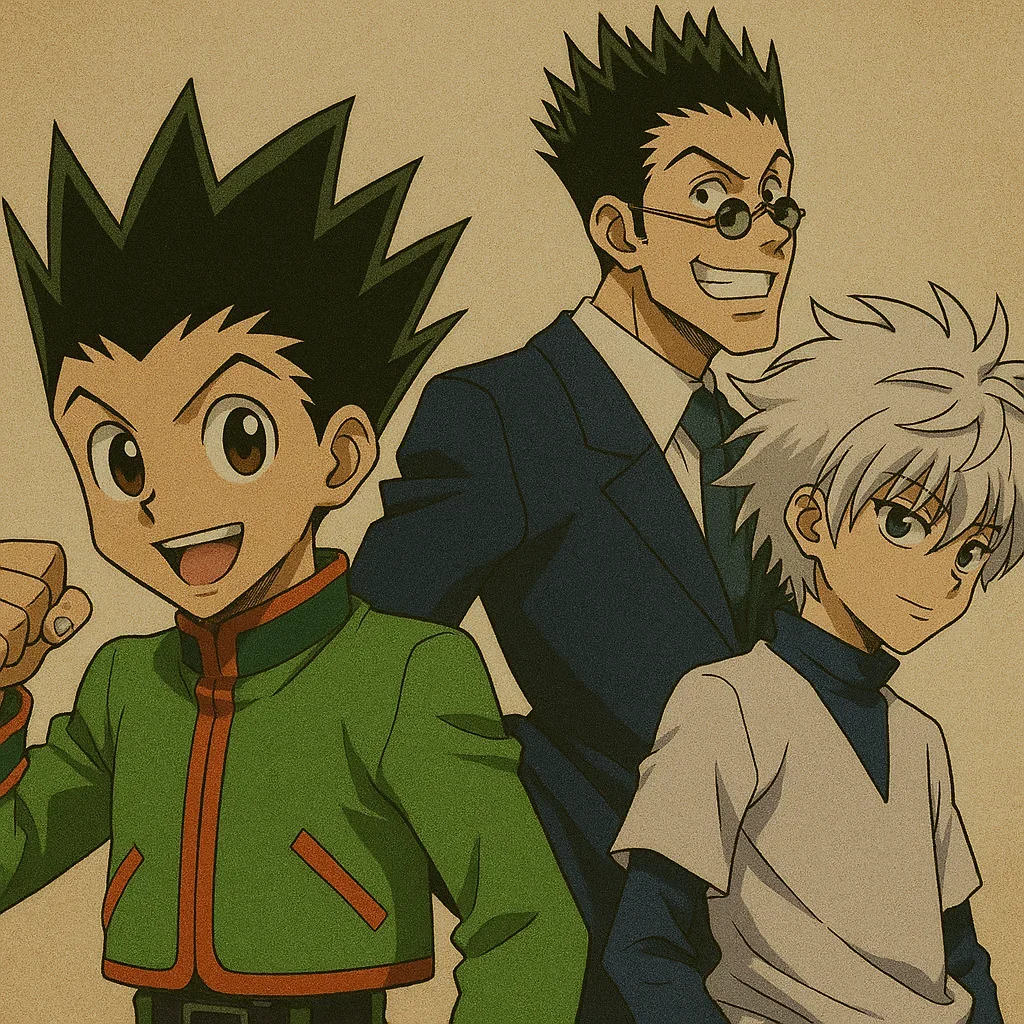
One of the first distinctions learners encounter is the difference between the “classic” hand‑drawn aesthetic and the push toward more realistic textures in contemporary productions. Classic anime, exemplified by titles like Naruto and Dragon Ball Z, thrives on exaggerated expressions, bold outlines, and vibrant color palettes. These cartoons rely heavily on non‑photographic line work, creating a simplified silhouette that enhances storytelling clarity.
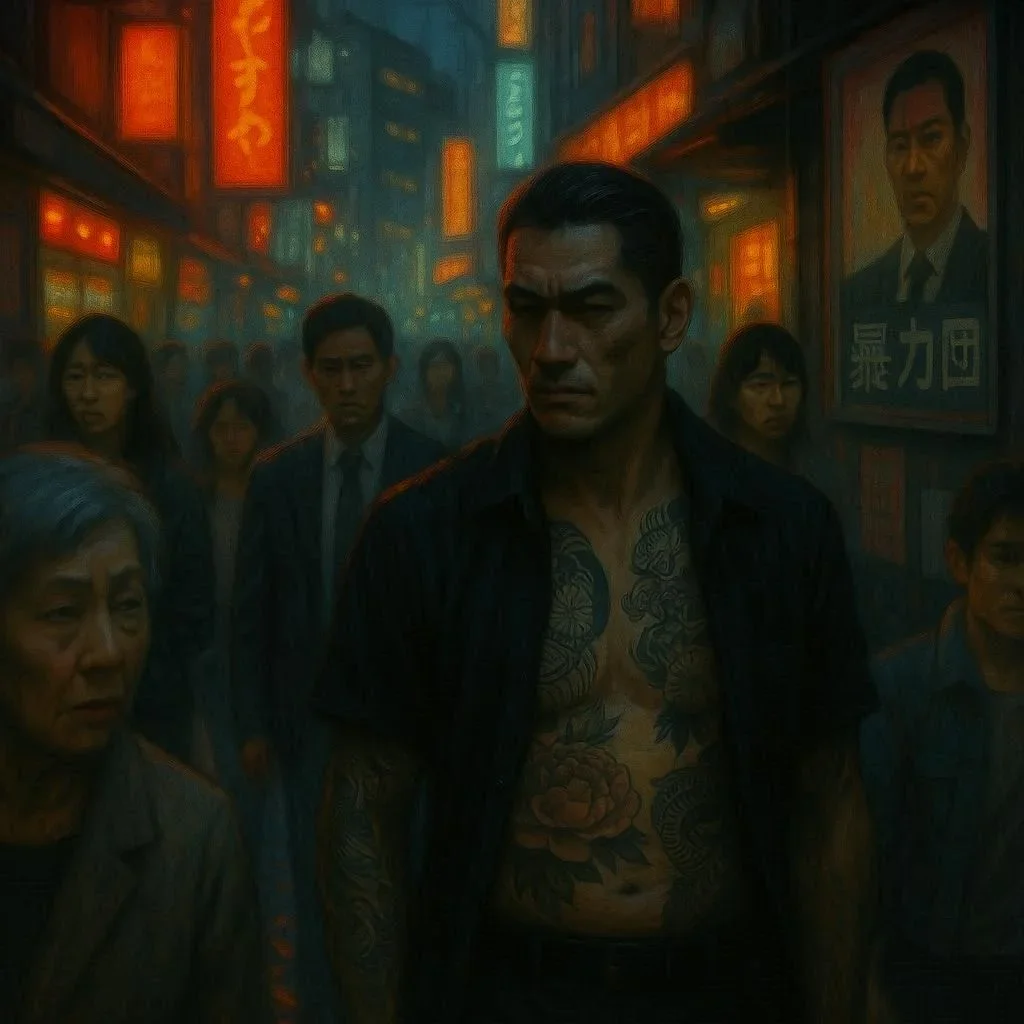
In contrast, modern anime such as Jujutsu Kaisen and Attack on Titan embrace a mix of photorealistic shading, detailed hair strands, and subtle muscle definition. Technological advancements in digital rendering and proliferation of high‑definition screens have allowed studios to experiment with more naturalistic textures while preserving the signature large eyes and dramatic angles – the elements that keep the “anime eye” intact even in lavish detail.
Thus, whether you aim for the stylized dynamism of classic anime or the polished granularity of contemporary works, knowing these foundational differences will set a clear creative direction for your projects.
Anime Art Styles: Visual Grammar and Design
Every anime iteration follows a distinct visual grammar that governs how characters & scenes are constructed. Below is a quick reference list of recurring stylistic cues that define the genre’s identity:
- Eye Composition: Oversized irises with highlights are a hallmark; they convey emotion while simplifying delicate expressions.
- Line Weight: Thick outlines for emphasis paired with thinner internal lines to add depth without clutter.
- Color Blocking: Bold, flat colours for outer garments complement gradients for skin and hair to reflect light dynamically.
- Motion Lines: Exaggerated “speed lines” illustrate kinetic energy, reinforcing action scenes.
- Facial Stereotypes: Distinct expressions – wide eyes for surprise, tight lips for disdain – quickly communicate character mood to the audience.
These design conventions collectively maintain a visual balance that supports fast-paced storytelling—a necessary feature for anime’s often serialized format. By mastering line weight and contrast, you can develop a cohesive look that feels “in‑the‑anime” even when working with limited resources.
Anime Art Styles: Cultural Influences
Anime’s signature aesthetic is inextricably tied to Japanese cultural motifs, but its influence extends into global pop culture. Historical manga techniques popularized by early 20th‑century artists shaped the first generation of anime. Traditional Japanese art forms—shoji paper patterns, kimono patterns, and the minimalist brushwork of Hokusai—inspired color palettes and composition choices.
Today, many studios reinterpret these cultural roots while simultaneously reflecting contemporary global concerns. For instance, series like Tokyo Ghoul incorporate “parasite” metaphors that resonate with modern anxieties, while still using traditional keystone elements such as the sakura‑sprinkled background. This blend of old & new allows anime to remain culturally authentic yet universally relatable.
Anime Art Styles: How to Create Your Own
Designing an anime style that feels both fresh and familiar requires a disciplined creative workflow. Here’s a step‑by‑step guide you can start using today. This method leverages the building blocks of classic anime while inviting experimentation.
- Define Core Traits – Outline the essential visual traits your style will emphasize: eye scale, line thickness, color block choices, etc. Think of these as the grammar of your design.
- Create a Reference Board – Gather sketches from classic anime such as Neon Genesis Evangelion and modern titles like Chainsaw Man. Annotate what you love and what feels outdated.
- Sketch Baselines – Begin with simple stick figures; experiment with eye placement variations (tight, wide, hv a wyow). Iterate until the emotion of your character feels believable.
- Outline and Refine – Use line brushes in Illustrator or Procreate to test thick vs thin line weight. Emphasize focal points while maintaining dynamic movement.
- Add Color Passes – Start with flat colour blocks (base skin, hair, clothing), then layer in subtle shading to add depth without striping the stylized look.
- Polish and Feedback – Share early drafts with a community of anime artists (look into Discord art groups or subreddit /r/AnimeArt). Adjust based on critiques.
To hone realistic detail, study still frames from Master of Musashi and use the same texture brushes for hair or cloth. While maintaining the “anime eye,” you will create an aesthetic that feels modern and distinct.
Anime Art Styles: Mastering the Human Figure
Anime intentionally simplifies human anatomy to boost storytelling speed. To begin, you’ll need to understand the streamlined proportions that define anime characters. Classic plus‑size figures lean toward a 1:7 height ratio, with the head occupying approx. one‑eighth of the body. You can adjust the femininity or masculinity by subtly morphing the shoulders, pelvis, and torso length. For a more classic look, keep the bust and waist relatively narrow with little emphasis on muscle detail. For a realistic approach, use a slightly higher muscle definition to convey athletic build.
When drawing dynamic poses, a good rule of thumb is to keep the “center of gravity” within a C‑shaped arc. This instinctive method ensures that the body remains balanced, especially during rapid action sequences. Artists in the Manga Educator Club employ this technique regularly, which is a testament to its efficiency.
Anime Art Styles: The Importance of Expression
Anime thrives on exaggerated expressions. The nose and mouth are often rendered with minimal detail; the eyes take center stage. A single upturned eyebrow, a subtle tilt, or a flicked eyelid can flip a scene from horror to humor. This focus on facial cues allows audiences to read emotions instantly, crucial in the rapid scene transformations that anime frequently presents.
By studying facial animation from anime theaters such as the 1-Dimensional Education Art Office, you’ll discover how subtle line changes or a flipped eye can convey an entire state of mind. Practice these cues by sketching you own “animation scraps” as quick one‑page expressions. Over time, your internal art dictionary will grow, offering a quicker way to generate on‑screen emotion.
Anime Art Styles: Bringing Your Workbook to Life
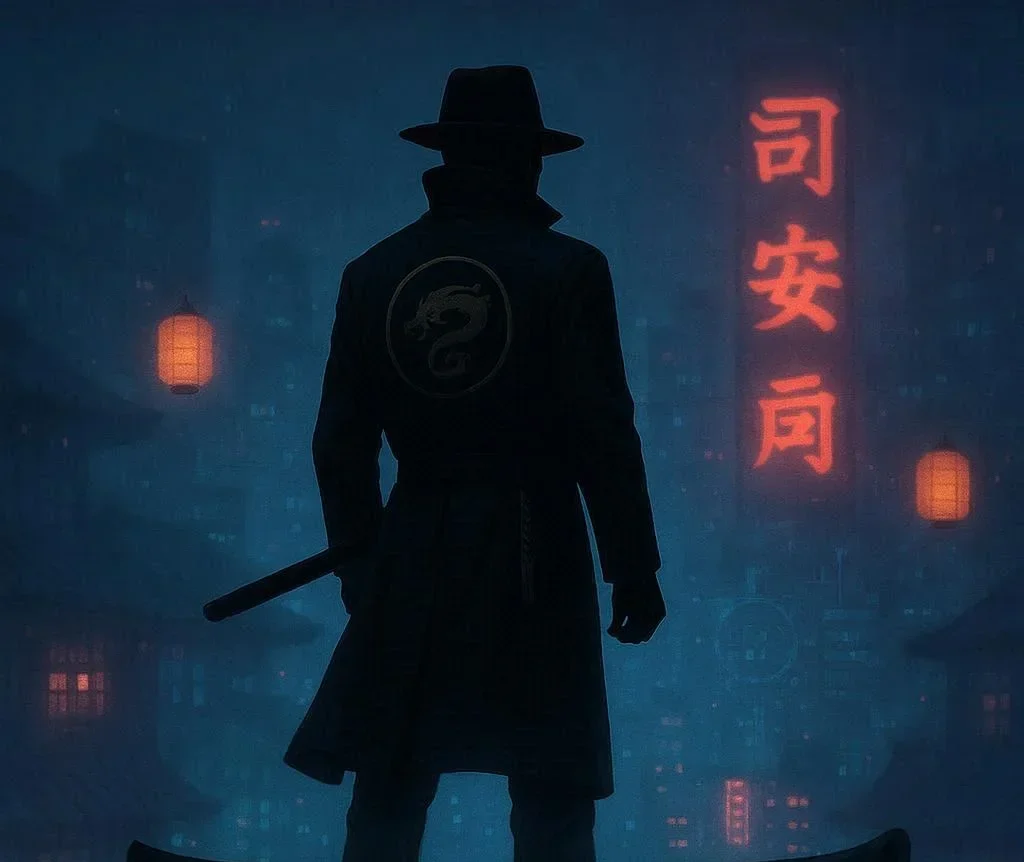
When your foundational skills are solid, the next step is to infuse your designs with personal narrative. Think of your own background, your favorite themes, or the story you want to create. Use iconography like cherry blossoms for love, thunder icons for emotional storms, or building silhouettes for urban environments. These story‑sensitive design elements add depth to otherwise simple silhouettes and provide viewers with direct emotional hooks.
For more advanced techniques, experiment with color gradients that mimic specific lighting conditions. A lighting gradient from deep navy to a bright sunset hue can instantly set a dramatic atmosphere. Studying how studios like Studio Ghibli apply lighting imposters can guide you in achieving a similar cinematic feel.
Anime Art Styles: Final Thought & Call to Action
Anime art styles are more than just a visual personality; they’re a lens through which complex narratives are conveyed at high velocity. By mastering the fundamentals of classic and modern aesthetics, understanding the core grammar, and internalizing cultural influences, you’ll be well positioned to contribute to or create anime‑inspired works. I encourage you to experiment freely, study the masters, and articulate your unique voice. Your journey from fleeting sketches to immersive visual stories begins today—so pick up that tablet, choose a vector paintbrush, and start bringing your characters to life. Happy creating, and may your art light up any screen it crosses!
Ready to dive deeper into anime illustration? Subscribe for more in‑depth tutorials, interview series with veteran artists, and exclusive style‑building resources. Let’s keep the anime magic alive together!
Frequently Asked Questions
Q1. What distinguishes classic anime art from modern anime?
Classic anime relies on simplified line work, bold outlines, and exaggerated expressions to convey emotion quickly. Modern anime incorporates digital shading, realistic textures, and subtle muscle definition while still keeping hallmark elements like oversized eyes. The shift reflects technological advances and changing audience expectations.
Q2. How can I develop my own anime style?
Start by defining core traits such as eye scale, line weight, and color schemes. Build a reference board from both classic and contemporary works to discover what you love. Iterate sketches, refine line art, and layer flat colors with soft shading, then get feedback from fellow artists to polish your unique aesthetic.
Q3. What are the most common visual grammar conventions in anime?
Key conventions include oversized irises with highlights, thick outlines contrasted with thin internal lines, flat color blocks complemented by subtle gradients, dynamic motion lines for speed, and stereotyped facial expressions that quickly signal mood.
Q4. Which cultural elements influence anime aesthetics?
Japanese motifs such as shoji paper patterns, kimono designs, and Hokusai’s brushwork inform color palettes and composition. Contemporary series blend these traditions with global themes like urban neon or environmental metaphors, creating a balance between authenticity and universal appeal.
Q5. How important is eye design in anime?
Eyes drive emotional communication; their size, shape, and highlight placement allow viewers to read feelings instantly. Mastering eye design is essential for capturing the “anime eye” while maintaining your personal style. Consistent practice with varied expressions will refine this crucial skill.