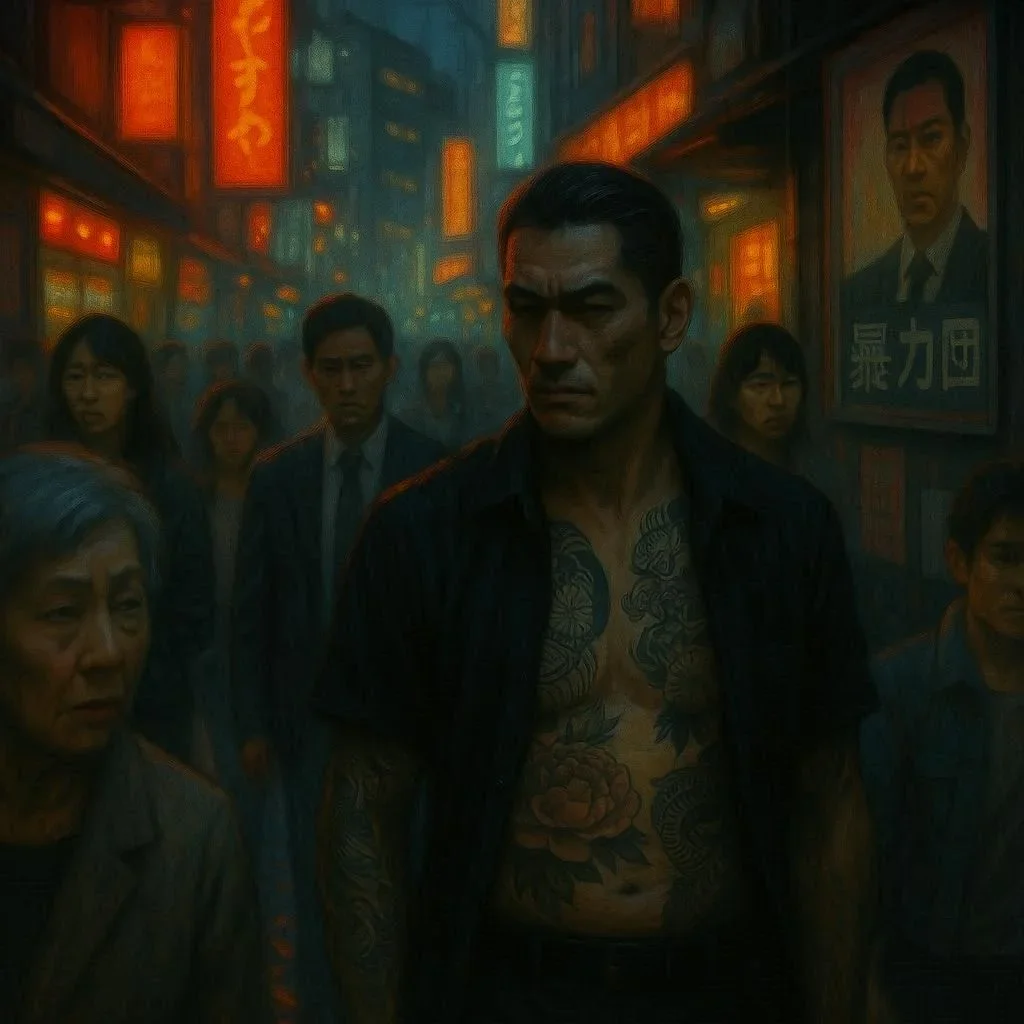
The association between Japan’s underground organized crime groups—commonly known as Yakuza—and the country’s rich cultural heritage is often overlooked. Yet, a careful look reveals that many clans actively maintain centuries‑old traditions that once governed everyday life in Japan. This post traces how these organization’s members preserve the elements of old Japanese manners, from ritual feasting to the unwavering respect for hierarchy, even as the modern world turns around them.
Historical Roots of Yakuza Etiquette
Yakuza’s origins lie in the Edo period’s street and gambling guilds, such as the tekiyaban and bakuto, which were bound by a codex of conduct similar to early Japanese etiquette. The guilds’ mottos emphasized loyalty, honor, and community welfare—values that mirror the societal expectations of the time. Even as legal restrictions intensified in the Meiji Restoration, these guilds kept detailed manuals on deference, proper speech, and ceremonial bows, ensuring continuity of formalities that predates modern criminal activity.
Samurai Tradition in Modern Yakuza Rites
Despite the rebellious image, many Yakuza groups adopt elements from the samurai’s bushido code. The emphasis on allegiance to a senior (keiko) and the use of silk rope (shimenawa) during initiation ceremonies reflects samurai sensibilities of duty and sacredness. Leading historians have documented that these practices serve dual purposes: to cement intra‑group solidarity and to project an aura of heritage that resonates with the public’s nostalgia for feudal Japan. Britannica’s article on Yakuza highlights how the visual symbols of samurai—such as the sword motif in group insignia—reinforce legitimacy and continuity.
Rituals and Formalities Shared with Traditional Japanese Society
Every Yakuza gathering, whether an informal coffee meeting or a formal business negotiation, follows a set of etiquette that echoes ancient Japanese practice:
- The order of seating reflects hierarchy; elders always occupy the front.
- Tea is served with the right hand, mirroring Japanese tea ceremony protocols.
- Business contracts are signed without phones, representing the value of integrity and face‑to‑face exchange.
- Participants exchange small gifts in a ritual known as omiyage, preserving the custom of reciprocity.
These traditions survive not just as relics but as living practices that reinforce group identity, echoing wider cultural expectations and preserving a sense of communal respect in a society that has long valued hierarchical nuance.
Contemporary Adaptations and the Future of Traditional Manners
While urbanization and globalization push younger members toward pragmatic operations—such as corporate espionage or cyber‑crime—the core etiquette remains unbroken. Modern yakuza leaders now incorporate elements like dress code compliance in meetings, usage of formal email etiquette with rules on word counts, and staged appearances at community festivals to showcase philanthropy. According to academic studies, these practices maintain public goodwill, reduce legal scrutiny, and create a cultural bridge between illicit traditions and mainstream civil society.
Looking ahead, the preservation of old Japanese manners by the Yakuza presents a paradox. On one side, it offers an unbroken link to Japan’s historical consciousness; on the other, it potentially normalizes violent structures under the guise of cultural gravitas. Policy makers, sociologists, and cultural historians continue to debate whether these practices should be preserved, repurposed, or dismantled, as they sit at the intersection of criminal law, history, and societal values.
Conclusion: Understanding the Cultural Duality of Yakuza Etiquette
The persistence of old Japanese manners within Yakuza illustrates how cultural practices can outlive their original context and adapt to modern needs. Venturing beyond surface bitterness, this exploration invites readers to consider historical continuity, respect for hierarchy, and the potential for culture to coexist with underground structures. For those fascinated by the complexities of Japanese tradition and organized crime’s cultural layer, dive deeper into academic insights, explore regional histories, and stay informed on policy changes affecting the regulation of such organizations.
Would you like to explore further? Subscribe now to receive updates on Japanese cultural studies and the evolving dynamics of historic communities: Japan Guide offers an in‑depth look into local customs, heritage sites, and modern adaptations. Join the conversation and deepen your understanding of how past etiquette shapes present realities.
Frequently Asked Questions
Q1. How do Yakuza traditions reflect old Japanese manners?
Yakuza groups have long preserved rituals such as tea service, formal bowing, and hierarchical seating that mirror Edo‑period customs. These practices reinforce a sense of order and respect within the organization. By maintaining these old forms, the Yakuza claim cultural legitimacy and community continuity.
Q2. Are these practices still relevant in modern criminal activities?
Yes, many Yakuza clans integrate traditional etiquette into contemporary operations like corporate espionage or cyber‑crime. Formal email style, dress codes, and ceremonial appearances at festivals help them blend into legitimate society while upholding internal discipline.
Q3. What role does the samurai code play in Yakuza rituals?
The Bushido code’s emphasis on loyalty and honor influences Yakuza initiation rites, such as using silk rope and placing senior members at the front of meetings. These symbols reinforce bonding and create public perception of heritage.
Q4. Can preserving old manners benefit Japanese society?
Some scholars argue that it promotes community welfare and reduces extreme violence by encouraging respect for hierarchy. However, critics worry it may legitimize criminal structures under a cultural veneer.
Q5. How can researchers study Yakuza etiquette safely?
Researchers often rely on historical records, interviews with former members, and observation of public events where Yakuza showcase philanthropy. Ethnographic studies must navigate legal and safety considerations while respecting participant anonymity.