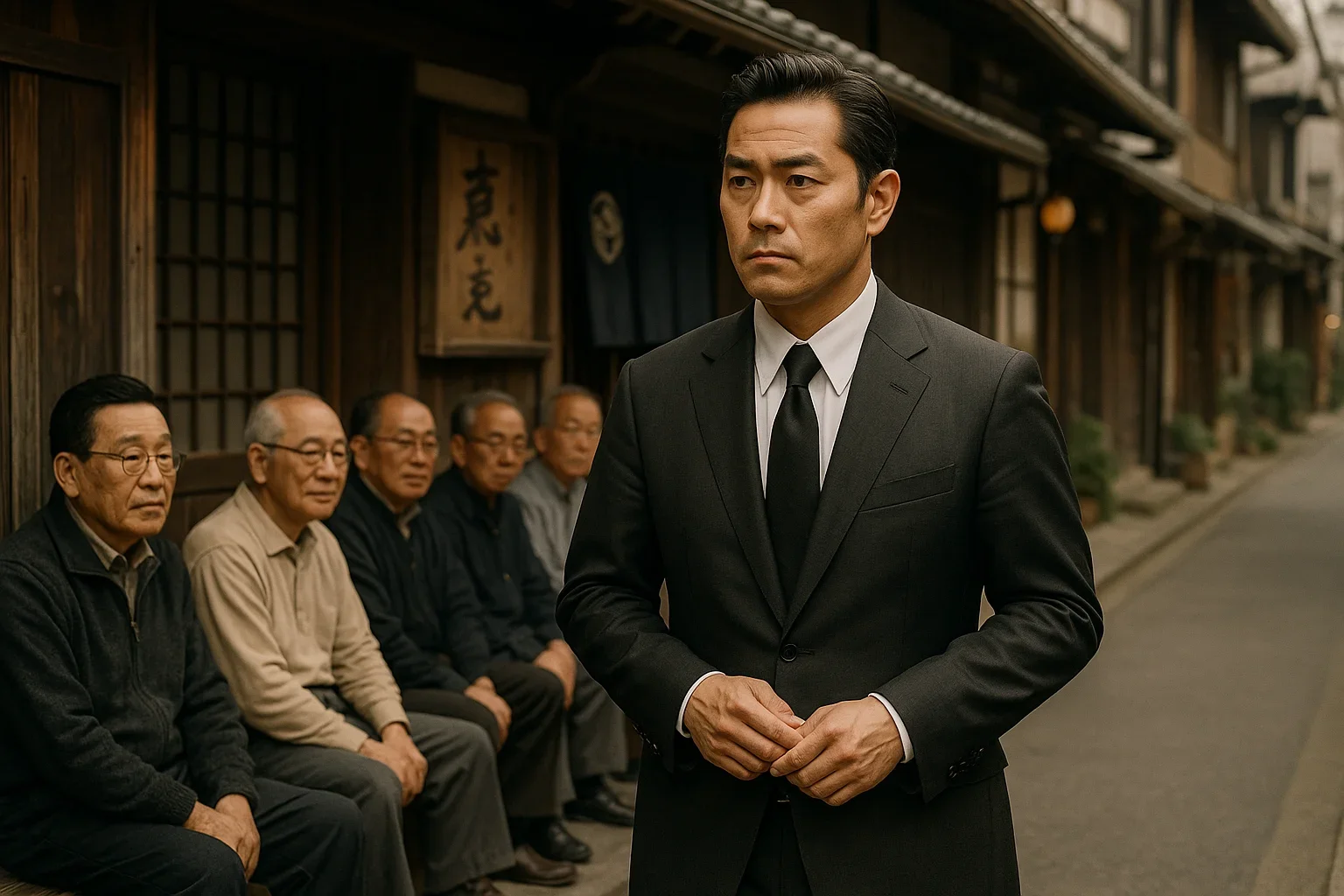
Yakuza Leadership Impact on Merchants
Yakuza Leadership has long been a shadowy force shaping Japan’s economic landscape, and its influence on small merchant communities is both profound and complex. From subtle intimidation to overt financial control, the ways in which organized crime leaders interact with local businesses reveal a tangled web of power, survival, and community resilience. Understanding this dynamic is essential for policymakers, entrepreneurs, and residents alike, as it highlights the broader economic and social consequences of criminal networks operating beneath the surface of legitimate commerce.
Historical Roots of Yakuza Influence in Local Trade
The origins of Yakuza involvement in small merchant circles date back to the Edo period, when street vendors and shopkeepers often relied on the protection and patronage of local gangs to safeguard their livelihoods. Over time, these relationships evolved into formalized agreements, with Yakuza leaders offering “security” in exchange for a share of profits or a cut of the rent. This historical precedent set the stage for the modern-day interactions between organized crime and small businesses, where the lines between legitimate support and coercive control can blur.
Economic Leverage and the “Protection” Model
One of the most visible ways Yakuza Leadership impacts merchants is through the so‑called protection racket. Small shop owners, especially those in densely populated districts, may feel compelled to pay regular fees to local gang leaders to avoid vandalism, theft, or violent confrontations. While some merchants view these payments as a necessary cost of doing business, the practice effectively siphons resources away from community development and places an undue financial burden on already vulnerable enterprises.
- Financial Drain: Regular protection fees can consume up to 10% of a shop’s monthly revenue, limiting the ability to invest in inventory or marketing.
- Market Distortion: Businesses that refuse to comply may face sabotage, driving them out of the market and reducing competition.
- Legal Ambiguity: Because the payments are often disguised as “consultancy” or “security” services, merchants may find it difficult to report the practice without risking retaliation.
Community Resilience: Grassroots Responses to Organized Crime
Despite the oppressive tactics employed by Yakuza Leadership, many small merchant communities have developed innovative strategies to counteract criminal influence. These grassroots movements often involve collective action, collaboration with law enforcement, and the creation of support networks that provide legal and financial assistance to at-risk businesses.
For instance, the “Neighborhood Watch” initiative in Osaka’s Namba district mobilizes shop owners to share information about suspicious activities and coordinate with local police. By pooling resources, merchants can afford security measures that reduce reliance on gang protection. Additionally, community‑run cooperatives offer shared marketing platforms, allowing small businesses to compete more effectively against larger chains and reduce the economic leverage that Yakuza leaders seek.
Legal Frameworks and Law Enforcement Challenges
Japan’s legal system has taken steps to curb the influence of organized crime, notably through the Anti‑Organized Crime Law of 1992, which criminalizes the activities of Yakuza members and imposes strict penalties on businesses that cooperate with them. However, enforcement remains uneven, largely due to the clandestine nature of gang operations and the fear of retaliation among merchants.
Law enforcement agencies have begun to adopt a more proactive stance, employing data‑driven approaches to identify patterns of extortion and protect vulnerable businesses. For example, the Tokyo Metropolitan Police Department’s “Business Protection Task Force” collaborates with local chambers of commerce to monitor suspicious financial transactions and provide rapid response teams to incidents of gang‑related violence.
Secondary Impacts: Social and Cultural Consequences
Beyond the immediate economic effects, Yakuza Leadership’s presence in small merchant communities can erode social cohesion. The fear of retaliation often discourages community engagement, leading to a decline in local festivals, markets, and cultural events that traditionally serve as economic catalysts. Moreover, the stigma associated with operating in a gang‑controlled area can deter new entrepreneurs, stifling innovation and long‑term growth.
Conversely, the resilience displayed by many merchant groups demonstrates the capacity of communities to adapt and thrive even under duress. By fostering solidarity and leveraging public resources, these businesses can reclaim agency and reduce the foothold of organized crime.
Conclusion: Empowering Merchants Through Knowledge and Action
Yakuza Leadership’s impact on small merchant communities is a stark reminder of how organized crime can infiltrate everyday commerce, siphoning resources and undermining local economies. Yet, the story is not one of inevitable decline. Through collective action, legal reforms, and community solidarity, merchants can resist coercion, protect their livelihoods, and rebuild vibrant, crime‑free marketplaces.
To support these efforts, we encourage local business owners to:
- Join neighborhood watch groups and share information on suspicious activities.
- Seek legal counsel when faced with extortion threats.
- Collaborate with local chambers of commerce to access security resources.
- Advocate for stronger enforcement of anti‑organized crime laws.
By taking these steps, merchants can reclaim control over their businesses and contribute to a safer, more prosperous community. Take action today—reach out to your local business association and stand together against organized crime.
For more information on Yakuza Leadership and its economic impact, visit Yakuza Wikipedia, Japanese Government, Japanese Law Translation, NYT Article on Yakuza Activity, and Academic Study on Organized Crime.
Frequently Asked Questions
Q1. What is Yakuza Leadership?
Yakuza Leadership refers to the hierarchical structure of Japan’s organized crime syndicates, where senior figures direct operations, enforce rules, and negotiate with external parties. These leaders maintain influence through a combination of intimidation, financial leverage, and strategic alliances. Their authority extends beyond criminal acts to include protection services for businesses that comply. Understanding this structure helps explain how power is exercised within the syndicate.
Q2. How does Yakuza Leadership affect small merchants?
Small merchants often face a “protection racket” where they must pay regular fees to avoid vandalism or theft. These payments can consume up to 10% of monthly revenue, limiting reinvestment. Non‑compliant businesses risk sabotage, reducing competition and market diversity. The financial drain also hampers community development and discourages new entrepreneurship.
Q3. What legal measures exist to curb Yakuza influence?
Japan’s Anti‑Organized Crime Law of 1992 criminalizes cooperation with Yakuza members and imposes penalties on businesses that facilitate their activities. Law enforcement agencies use data‑driven approaches to identify extortion patterns. However, enforcement remains uneven due to fear of retaliation and the clandestine nature of gang operations. Ongoing reforms aim to strengthen penalties and improve reporting mechanisms.
Q4. How can merchants protect themselves against Yakuza pressure?
Merchants can join neighborhood watch groups to share information and coordinate with police. Seeking legal counsel early can deter extortion attempts. Collaborating with local chambers of commerce provides access to security resources and advocacy. Maintaining transparent financial records helps expose illicit payments and supports legal action.
Q5. What role does community resilience play in countering Yakuza influence?
Community resilience manifests through collective action, such as shared marketing platforms and cooperative security measures. Grassroots movements reduce reliance on gang protection by pooling resources. Strong social cohesion discourages criminal activity and attracts new entrepreneurs. Resilient communities can reclaim agency and rebuild crime‑free marketplaces.