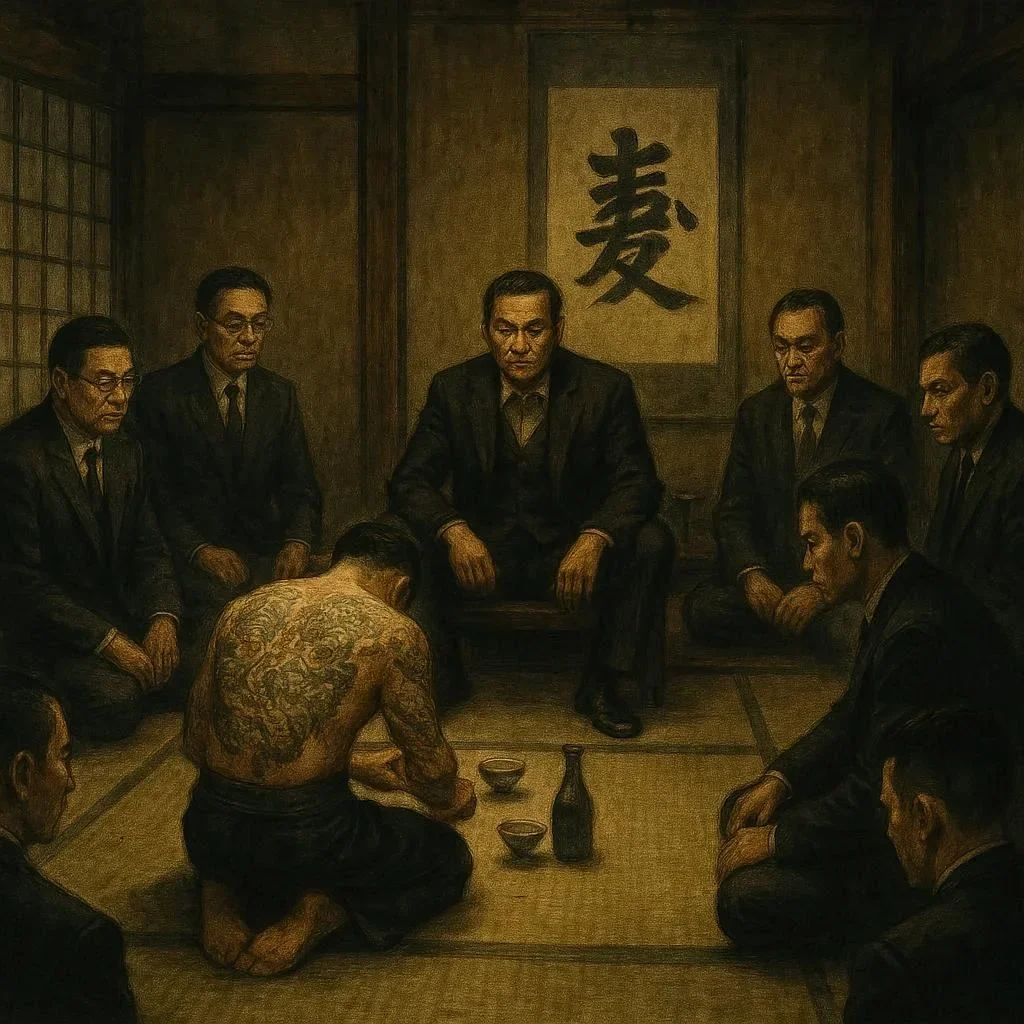
Yakuza-Influenced Character Development Insights
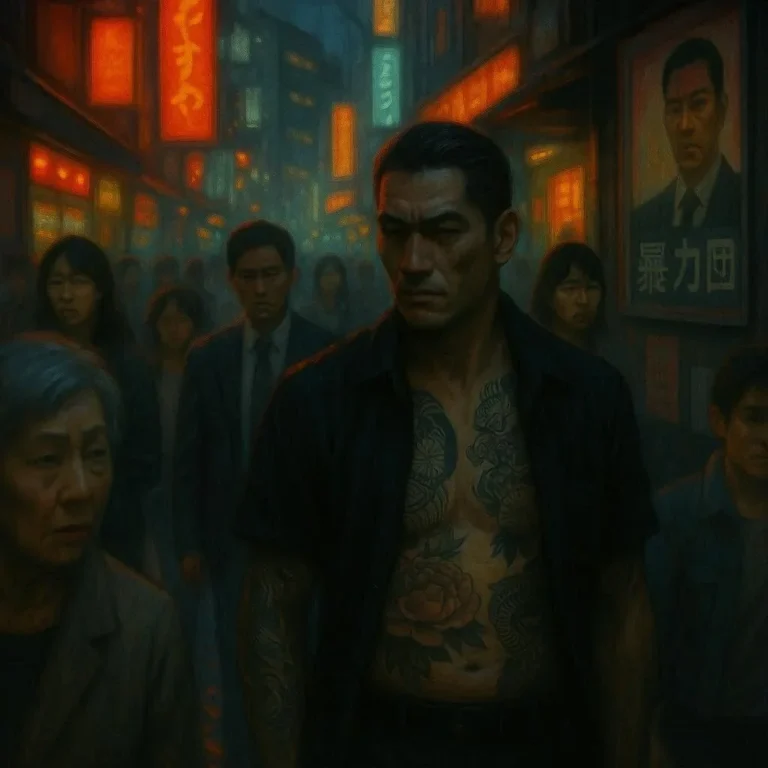
Every compelling narrative thrives on rich, multi‑layered characters. In contemporary storytelling, the Yakuza—a Japanese organized crime syndicate—has provided a unique, gritty lens to explore complex character arcs, especially within the realms of crime drama, manga, and modern video games. These stories use Yakuza‑influenced character development to dissect themes of loyalty, honor, and the tension between personal ambition and group expectations. Delving into this genre uncovers a specialized narrative cadence that blends cultural subtexts with universal human struggles, offering writers a toolkit for crafting emotionally resonant, ethically nuanced protagonists.
Defining the Yakuza’s Narrative Role
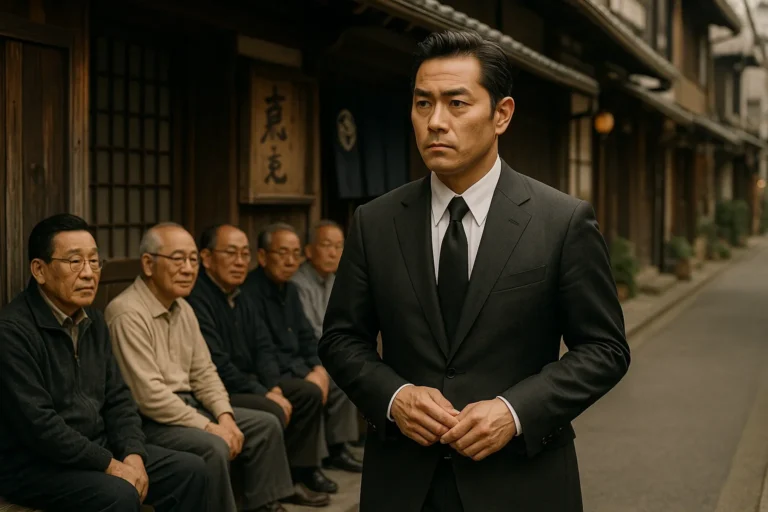
When authors weave Yakuza elements into their plots, they are not simply adding a criminal setting. Instead, they are borrowing a code of conduct—equivalent to a spiritual philosophy—that defines every action of their characters. The Yakuza code, known as “ninkyo” (benevolence) and “giri‑ninjō” (duty‑to‑humanity), shapes a character’s moral compass and decision‑making framework. Writers who introduce these culturally charged motivations can turn an ordinary revenge plot into an ethical tragedy that invites reflection on relational obligations versus self‑preservation.
Core Traits in Yakuza‑Inspired Playbooks
There is a recognizable pattern followed by many protagonists whose journeys intersect with the Yakuza world:
- Honor Over Profit: As allies or leaders, characters often prioritize loyalty over financial gain, mirroring the traditional Yakuza emphasis on blood‑bound unity.
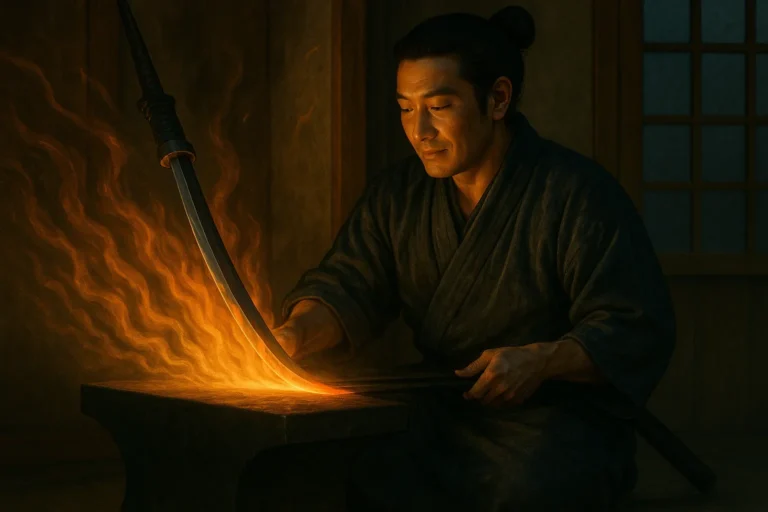
- Rigorous Personal Discipline: The culture forces characters to adhere to strict routines—from training camps to ceremonial rituals—enhancing story tension.
- Internal Conflict: Balancing within oneself between illicit ambitions and a moral lattice that demands personal sacrifice.
- Bruce‑Lee‑like Martial Aesthetics: Martial arts scenes highlight both skill and the emotional weight of a character’s code.
- Low‑Profile but High‑Impact: A subtle presence that rattles the status quo, often serving as a catalyst for change or downfall.
How Cultural Depictions Shape Moral Arcs
Documentation on Yakuza structures can be found on authoritative sites such as the Yakuza Wikipedia entry, which details traditional hierarchies that storylines often mimic. Yet writers must go beyond surface. A character’s decisions are shaped not only by personal code but by the cultural perception of the Yakuza’s social role. In Japan, police reforms within the Ministry of Justice reveal intricate intersections between law, order, and the syndicate’s mythos, offering nuanced viewpoints that enrich character backstories.
While Yakuza myths paint them as edgy anti‑heroes, journalists such as The New York Times provide balanced coverage on how the public perceives them, reminding creatives that realistic character arcs often surface through conflict between how society thinks of them and what they genuinely intend. This duality bolsters a character’s tragic depth or redemption narrative.
Case Study: Narrative Elevation Through Code Breach
Consider a story where a seasoned enforcer must make an impossible choice: sacrifice his partner’s safety to keep the organization’s secrets intact—or break the code for personal loyalty. This type of dilemma transforms a routine villain into a tragic hero whose failure resonates at a philosophical level. Writers remember to emphasise how this breach redefines the character’s future, a classic marker of compelling Yakuza‑influenced development.
Contrast With Western Crime Archetypes
Where Western protagonists often yield to greed or self‑interest, Yakuza‑driven characters tend to self‑sacrifice, influenced by a system that places collectivism over individualism. The resulting moral arcs lean toward tragic virtue. The subtle climax—an enlightened self‑wiping field—stands as stark evidence of cultural influence that shapes emotional payoff. Complementary academic Material, such as resources from the College of Arts and Sciences at Harvard through Harvard University, validates these patterns through literary theory, reinforcing cross‑disciplinary credibility.
Integrating the Yakuza Code into Modern Storytelling
There are multiple guidelines for embedding this code without cultural appropriation or stereotyping:
- Research primary Yakuza documents or firsthand memoirs to capture authentic language and rituals.
- Hire cultural consultants or Japanese writers to review dialogue and conflict frameworks.
- Archive pivotal Yakuza legends, such as the “sacred duty” narrative, via reputable academic blogs or university digital libraries.
- Embed subtle societal commentary—e.g., how modern corporate Japan negotiates moral compromise—analogous to Yakuza sacrifices.
- Ensure character growth is observable across scenes, not merely implied at the climax.
Granting Agency to the Antagonist
Giving victims or antagonists agency shows readers their reverence for the code. When protagonists make mistrusted judgments that inadvertently undermine the structure, it sparks empathy for challengers grappling with the Yakuza’s relentless demands. This perspective expands moral nuance, appealing to audiences craving layered villains.
From Video Games to Visual Novels
Video game series like “Yakuza: Like A Dragon” and “True Crime: New York City” use internal debate boards and point‑and‑click mechanisms to surface Yakuza moral reasoning. Player choices become tangible representations of a character’s code, offering a distinct design metric: the variable weight of each decision measured in “respect” units. These mechanics underscore essential character progression, rendering Yakuza‑influenced development interactive and immersive.
Internal Conflict in Visual Story Arcs
When a protagonist must decide whether to honor an old debt or rescue a child, these narratives encourage the audience to confront the clash between cultural responsibility and personal empathy, cementing psychological traction.
Utilizing Secondary Keywords for SEO
To build organic reach, weaving secondary terms like Japanese crime drama, association of Yakuza, social hierarchy, character arc, and cultural depiction seamlessly into the article ensures search engines recognize topical relevance without artificial stuffing. The result is a piece that reads naturally to both human readers and search algorithms.
Conclusion: Craft, Code, and Character
Yakuza‑influenced character development is not merely a subgenre trick; it is a rich philosophical instrument that blends tradition with contemporary storytelling. By studying its code, drawing from reputable sources, and respecting the cultural boundaries that shape it, writers can build protagonists whose journeys echo reverence, betrayal, and ultimately, hope. If you’re looking to deepen your narrative craft—whether you’re drafting a novel, script, or game—integrate these insights and unlock a new realm of character design. Start today and let the Yakuza’s code empower your next masterpiece!
Ready to elevate your story? Explore our tutorial library on character arcs and moral complexity today.
Frequently Asked Questions
Q1. How does Yakuza influence character development?
Yakuza code brings a deep moral framework to characters, forcing them to balance loyalty, honor, and personal ambition. It creates tension by making heroes confront oppressive group expectations while offering them a clear ethical compass. The result is a nuanced antagonist–hero dynamic that feels both culturally authentic and emotionally resonant.
Q2. What core traits define a Yakuza‑inspired protagonist?
Typical traits include honor over profit, strict personal discipline, internal conflict over duty, martial aesthetic presentation, and low‑profile yet high‑impact presence. These elements combine to produce layered personalities that can swing between tragedy and redemption.
Q3. How can writers avoid cultural appropriation while using Yakuza themes?
Researchers should study authentic Yakuza literature, hire cultural consultants, archive reputable records, embed subtle societal commentary, and ensure character arcs are fully visible across scenes. Respectful representation builds credibility and prevents stereotyping.
Q4. In games, how is the Yakuza code translated into gameplay mechanics?
Video‑game designers often use “respect” points or decision trees where choices affect a character’s standing and narrative outcome. These mechanics mirror the weight of committing or breaking a code, allowing players to experience moral consequences first‑hand.
Q5. How does the Yakuza style differ from Western crime archetypes?
While Western villains may lean toward greed, Yakuza protagonists prioritize collective good and self‑sacrifice. Their narrative arcs usually lead to tragic virtue, delivering a distinct emotional payoff rooted in collectivism versus individualism.