Yakuza Influence Shapes Manga
Yakuza Influence shapes manga by infusing characters with the complex moral codes, hierarchical structures, and dramatic tension that define Japanese organized crime. From the stoic boss to the conflicted underling, these archetypes echo real‑world Yakuza dynamics while offering readers a window into a culture that balances honor with brutality. In this article, we trace how Yakuza tropes have evolved within manga, examine key character types, and explore why these figures resonate with audiences worldwide.
Historical Roots of Yakuza in Japanese Storytelling
Yakuza, or Japanese organized crime syndicates, have a documented history that dates back to the Edo period. Their origins in the 17th‑century gambling and street‑peddling communities laid the groundwork for a distinct social order that later permeated popular media. The first manga that explicitly referenced Yakuza characters appeared in the 1960s, reflecting Japan’s post‑war fascination with the underworld. By the 1980s, series such as Akira and Rurouni Kenshin began to weave Yakuza motifs into broader narratives, setting a precedent for future works.
Key to understanding Yakuza influence is recognizing the syndicate’s internal hierarchy: the *oyabun* (boss), *kobun* (underlings), and *koban* (street-level enforcers). These roles translate into manga archetypes that embody loyalty, ambition, and moral ambiguity. The cultural significance of the Yakuza’s code—*giri* (duty) and *ninjo* (humanity)—provides a rich thematic backdrop for character development.
Core Yakuza‑Inspired Character Archetypes
While each manga series adapts these archetypes uniquely, several core types recur across titles:
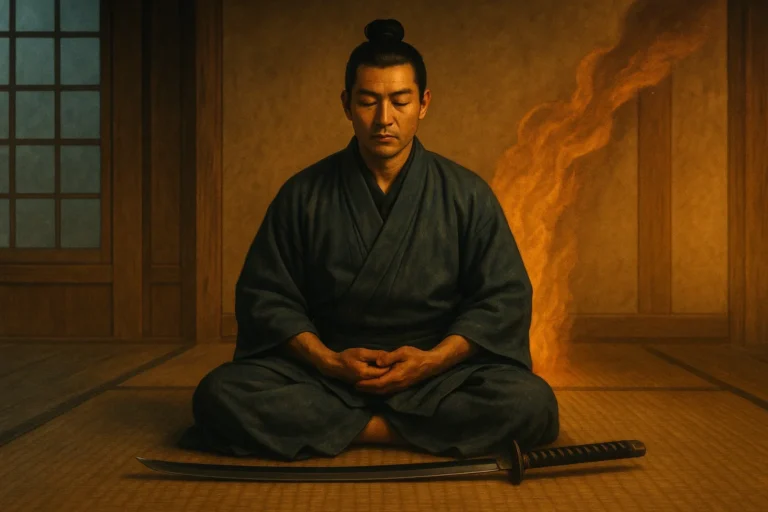
- The Honor‑Bound Boss – A charismatic leader who upholds a strict code of conduct, often torn between business interests and personal ethics.
- The Loyal Underling – A devoted follower who sacrifices personal ambition for the group’s welfare, embodying *giri*.
- The Reformed Ex‑Yakuza – A former gangster seeking redemption, frequently battling inner demons and societal stigma.
- The Femme Fatale – A woman who navigates the male‑dominated world of crime with cunning and charisma, challenging traditional gender roles.
- The Outsider Witness – A non‑affiliated character who becomes entangled in Yakuza affairs, providing an external perspective on the syndicate’s operations.
These archetypes are not merely caricatures; they reflect the nuanced reality of Yakuza life, where loyalty can be both a virtue and a trap. By embedding such characters in manga, creators tap into a collective cultural memory that resonates with readers familiar with Japan’s complex relationship with organized crime.
Case Studies: Manga That Exemplify Yakuza Archetypes
To illustrate the influence, let’s examine three landmark series that showcase Yakuza‑inspired characters:
1. Gintama – The Satirical Boss
While primarily a comedy, Gintama features the *Yakuza‑style* boss Shigetsu, whose leadership style satirizes the traditional *oyabun* archetype. The series uses humor to critique the rigid hierarchies that define Yakuza culture, yet it preserves the underlying themes of loyalty and honor.
2. Tokyo Revengers – The Reformed Ex‑Yakuza
Lead character Takemichi Hanagaki’s journey from a timid youth to a gang leader mirrors the classic *reformed ex‑Yakuza* arc. His internal conflict—balancing personal desires with the expectations of his newfound role—highlights the psychological toll of Yakuza life, a recurring motif in contemporary manga.
3. Akira – The Femme Fatale in a Post‑Apocalyptic World
Although set in a dystopian future, Akira incorporates Yakuza elements through characters like the enigmatic *Kira*, who manipulates power structures reminiscent of Yakuza syndicates. The series’ portrayal of female agency within a male‑dominated hierarchy underscores the evolving role of the femme fatale archetype.
Why Yakuza Archetypes Endure in Manga
Several factors contribute to the lasting appeal of Yakuza‑inspired characters:
- Complex Morality – Yakuza stories often blur the line between right and wrong, offering readers morally ambiguous protagonists that challenge conventional hero narratives.
- Social Commentary – By depicting the underbelly of Japanese society, manga can critique issues such as corporate corruption, social isolation, and the erosion of traditional values.
- Emotional Resonance – Themes of loyalty, sacrifice, and redemption resonate universally, allowing readers from diverse backgrounds to connect with the characters’ struggles.
- Visual Drama – The stylized depiction of Yakuza tattoos, ceremonial rituals, and intense confrontations provides striking visual storytelling that captivates audiences.
These elements combine to create narratives that are both entertaining and thought‑provoking, ensuring that Yakuza archetypes remain a staple in manga storytelling.
Modern Adaptations and Global Influence
In recent years, Yakuza themes have transcended Japanese borders, influencing international comics, anime, and even Western graphic novels. The global popularity of series like One Piece and My Hero Academia demonstrates how Yakuza archetypes can be adapted to fit diverse cultural contexts while retaining their core essence.
Moreover, the rise of digital platforms has allowed niche manga featuring Yakuza characters to reach a worldwide audience. This cross‑cultural exchange has sparked academic interest, with scholars examining how Yakuza tropes reflect broader societal anxieties about authority and identity.
Conclusion: Embracing the Yakuza Legacy in Manga
Yakuza Influence shapes manga by providing a rich tapestry of character archetypes that explore loyalty, morality, and power. From the stoic boss to the reformed ex‑Yakuza, these figures offer readers a nuanced perspective on the human condition. As manga continues to evolve, the Yakuza legacy will undoubtedly inspire new generations of storytellers, ensuring that these archetypes remain integral to the medium’s narrative depth.
Ready to dive deeper into the world of Yakuza‑inspired manga? Explore our curated list of must‑read titles and discover how these archetypes shape the stories you love.
For more insights on Japanese organized crime and its cultural impact, visit Wikipedia: Yakuza, Yakuza in Manga, Japan National Police Agency, and Japanese Ministry of Culture.
Frequently Asked Questions
Q1. What are the core Yakuza-inspired character archetypes in manga?
Core archetypes include the honor‑bound boss, the loyal underling, the reformed ex‑Yakuza, the femme fatale, and the outsider witness. These roles mirror real Yakuza hierarchy and embody themes of loyalty, duty, and moral ambiguity. Manga writers adapt them to fit diverse narratives, from action to satire.
Q2. How did Yakuza themes first appear in manga?
Yakuza motifs entered manga in the 1960s, reflecting post‑war fascination with organized crime. Early works like Shōnen Jump series introduced gangsters as anti‑heroes. By the 1980s, titles such as Akira and Rurouni Kenshin integrated Yakuza elements into broader storylines, setting a precedent for future series.
Q3. Why do Yakuza archetypes resonate with international audiences?
These archetypes offer complex morality, social commentary, and emotional depth that transcend cultural boundaries. Themes of loyalty, sacrifice, and redemption are universal, allowing readers worldwide to connect with the characters. The dramatic visual style of Yakuza tattoos and rituals also provides striking storytelling.
Q4. Can you give examples of manga that subvert traditional Yakuza tropes?
Series like Gintama satirize the boss archetype, while Tokyo Revengers reimagines the reformed ex‑Yakuza as a reluctant hero. Akira blends Yakuza dynamics with a dystopian setting, challenging genre expectations. These works demonstrate how creators can play with and reinterpret classic tropes.
Q5. How has digital distribution impacted Yakuza-themed manga worldwide?
Digital platforms have broadened access to niche Yakuza titles, allowing international readers to discover and discuss them. Online translations and fan communities foster cross‑cultural dialogue. This global reach has encouraged publishers to adapt Yakuza themes for diverse audiences.