Yakuza Ethics in Trade
The Yakuza, Japan’s organized crime syndicates, are often portrayed in media as ruthless and violent. While this image holds a degree of truth, a more nuanced understanding reveals a complex history intertwined with Japanese society, including its commercial world. Surprisingly, elements of Yakuza culture—specifically their strict codes of conduct and dispute resolution mechanisms—have arguably played a role in shaping ethical guidelines within certain sectors of traditional Japanese trade. This is not to suggest the Yakuza are ethical exemplars, but rather that their structures provided a form of order, however flawed, that sometimes filled a void in regulatory oversight and contributed to concepts of trust and obligation in business dealings. This article will delve into the historical context of the Yakuza, examine their established norms, and explore how those norms indirectly influenced business practices, particularly before the modern era of corporate governance.
The Historical Roots of the Yakuza
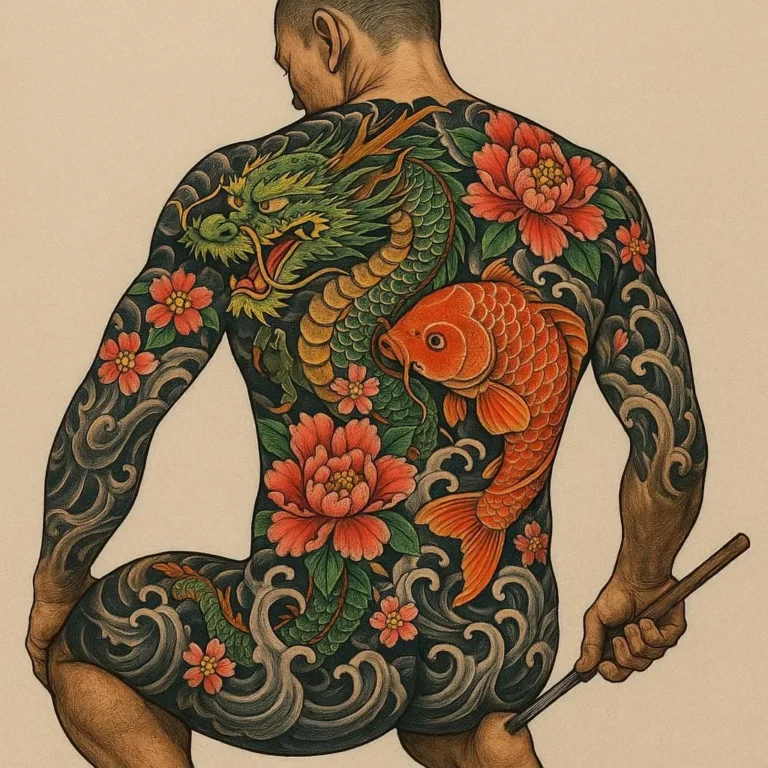
To understand the Yakuza’s influence, it’s crucial to understand their origins. The Yakuza’s roots trace back to the Edo period (1603-1868), evolving from two main groups: the *bakuto* (gamblers) and the *tekiya* (peddlers or street vendors). Both were marginalized groups operating outside the formal economy. The *bakuto* were often outlaws, involved in illegal gambling dens, and were known for their elaborate tattoos and willingness to use violence. The *tekiya*, while also operating on the fringes, provided essential goods and services to the population. Importantly, both groups were barred from possessing legitimate professions or being part of the established social hierarchy ([Britannica – Yakuza](https://www.britannica.com/topic/Yakuza)).
During the Edo period, the ruling Tokugawa shogunate implemented strict social control policies. These policies, while maintaining stability, also unintentionally created opportunities for these groups to operate, providing services the official system couldn’t or wouldn’t offer. They developed their own internal rules and hierarchies to maintain order within their ranks. As the feudal system crumbled in the Meiji Restoration (1868), the Yakuza adapted, becoming involved in various protection rackets, labor disputes, and eventually, post-war reconstruction efforts, often utilizing quasi-legal power to facilitate projects ([Council on Foreign Relations – Yakuza](https://www.cfr.org/backgrounder/yakuza-japan-organized-crime)).
The Yakuza Code: Jingi and its Tenets
Central to Yakuza operations and identity is *jingi* (仁義), often translated as “justice and duty,” or “knightly righteousness.” It’s a complex code of conduct not dissimilar to a samurai’s bushido, emphasizing loyalty, honor, courage, and reciprocal obligation. While often romanticized, *jingi* is fundamentally a pragmatic framework for maintaining internal order and projecting an image of strength and reliability. Key aspects of *jingi* include:
- Loyalty to the Oyabun (Boss): Absolute obedience and dedication to the Yakuza boss are paramount. The relationship is often likened to that of a father (oyabun) and children (kobun).
- Protection of the Family (Kumicho): Yakuza members are expected to defend the interests and reputation of their organization at all costs.
- Reciprocity (On): Debts, both financial and social, must be repaid. This concept of “on” is a cornerstone of Japanese social relationships and is heavily emphasized within the Yakuza structure.
- Reputation (Menboku): Maintaining a strong reputation is critical. Disgrace or dishonor can lead to severe consequences, including expulsion or death.
- Avoidance of Unnecessary Violence: While capable of brutality, *jingi* generally discourages wanton violence. Conflicts are ideally resolved through mediation and negotiation to maintain stability.
These tenets, although applied within a criminal context, reflect deeply ingrained cultural values regarding hierarchical relationships, social obligations, and the importance of honor. Historian David E. Kaplan, in his book *Yakuza: Japan’s Criminal Underworld*, details how *jingi* wasn’t simply a set of rules imposed from above, but rather a system that evolved organically within the groups, shaped by necessity and a desire for internal cohesion ([University of California Press – Yakuza](https://www.ucpress.edu/book/9780520213583/yakuza)).
Indirect Influences on Trade Ethics
The connection between Yakuza ethics and legitimate business practices isn’t direct causation, but rather a confluence of factors. In the post-war era, particularly during the rapid economic growth of the 1960s and 70s, the Yakuza often operated in a grey area, providing services that the formal financial institutions were unwilling or unable to offer. These services included:
- Mediation in Disputes: Before modern legal frameworks were fully established and trusted, the Yakuza were sometimes called upon to mediate disputes between businesses, particularly within traditional industries like construction, fishing, and entertainment. Their ability to enforce agreements, through threat of violence if necessary, was seen as a quick and “effective” solution.
- Loan Sharking (but with “rules”): While charging exorbitant interest rates, Yakuza loan sharks often had a reputation for being more reliable than banks in providing funds to struggling businesses. Critically, repayment was almost always enforced, fostering a sense of predictability – albeit a brutal one.
- Protection Rackets: Businesses paid the Yakuza for protection from rival groups or disruptions to their operations. While extortionate, this provided a degree of security in a sometimes chaotic environment.
- Facilitating Labor Practices: In industries with large numbers of temporary or informal workers, the Yakuza sometimes stepped in to manage labor disputes and ensure a steady workforce.
These interventions, while illicit, inadvertently reinforced certain ethical expectations. The insistence on fulfilling obligations (*on*), maintaining a good reputation (*menboku*), and resolving disputes through established channels (even if those channels were criminal) seeped into the broader business culture. A breach of a Yakuza-brokered agreement carried severe consequences, encouraging adherence to whatever terms were set.
Professor Robert Whiting, author of *Tokyo Underworld*, argues that the Yakuza’s influence on Japanese business, while declining, is still palpable, especially in industries with a long history of opaque dealings. He points to the importance of “face” and avoiding public scandal within Japanese corporate culture as echoes of Yakuza values ([Amazon – Tokyo Underworld](https://www.amazon.com/Tokyo-Underworld-Yakuza-Robert-Whiting/dp/0804834435)).
The Decline of Yakuza Influence and Modern Ethics
In recent decades, the Yakuza’s influence on Japanese trade has waned significantly. Several factors contribute to this decline:
- Increased Regulation: Japanese authorities have enacted increasingly stringent laws to combat organized crime, making it more difficult for the Yakuza to operate openly.
- Economic Shifts: The decline of traditional industries and the rise of new, technology-driven sectors have reduced the Yakuza’s opportunities for involvement.
- Changing Social Attitudes: There is a growing societal rejection of the Yakuza and their activities.
- Internal Issues: Declining membership and internal power struggles have weakened many Yakuza groups.
Modern Japanese business ethics are increasingly influenced by international standards of corporate governance and transparency. While the traditional emphasis on loyalty and long-term relationships remains, it is now generally expected to operate within a legal and ethical framework. However, vestiges of the older, more ambiguous system can still be found, particularly in smaller, family-owned businesses and certain industries with a history of close ties to the underworld. The formalization of dispute resolution mechanisms and the emphasis on legally binding contracts represent a significant departure from the reliance on informal, Yakuza-mediated settlements. The Japan Fair Trade Commission ([Japan Fair Trade Commission](https://www.jftc.go.jp/en/index.html)) actively works to foster competition and uphold ethical trade standards, further diminishing the Yakuza’s role.
Conclusion
The Yakuza’s contribution to ethical guidelines in trade is a paradoxical one. While inherently criminal organizations, their internal codes and the services they provided in a less regulated era arguably fostered certain norms of trust, obligation, and dispute resolution that indirectly influenced Japanese business practices. This is not an endorsement of their methods, but a recognition of their complex historical role. As Japan modernizes and embraces more transparent business practices, the Yakuza’s influence continues to diminish, replaced by a more robust and legally sound ethical framework. Understanding this history provides a fascinating glimpse into the evolution of Japanese commerce and the surprising ways in which organized crime can shape societal norms.
FAQ
Q: Are the Yakuza still involved in business today?
A: To a lesser extent. While their influence has declined, they are still present in areas like construction, real estate, and entertainment, albeit often operating more discreetly.
Q: Were these “ethical guidelines” actually beneficial?
A: That’s a complex question. While they might have brought a degree of predictability, they were enforced through intimidation and violence, and ultimately undermined the rule of law.
Q: Has the government done anything to counteract Yakuza influence?
A: Yes, significantly. Since the 1990s, Japan has implemented increasingly strict anti-Yakuza laws, including measures to cut off their funding sources and prevent them from engaging in legitimate business activities.