Yakuza Culture Shapes Game Design
Yakuza Culture Shapes Game Design is a fascinating lens through which to examine the evolution of Japanese video games. From the gritty streets of Tokyo to the polished stages of international consoles, the influence of organized crime syndicates—known as yakuza—has seeped into narrative structure, character arcs, and even gameplay mechanics. In this article, we trace how the yakuza’s code of honor, business acumen, and dramatic flair have become integral to the storytelling and design of some of Japan’s most iconic titles.
Historical Roots of Yakuza in Japan
The yakuza’s origins date back to the Edo period, when groups of gamblers, street merchants, and ronin formed loose alliances to protect their interests. Over centuries, they evolved into structured organizations with strict hierarchies, rituals, and a code of conduct that emphasized loyalty, respect, and a sense of justice—albeit outside the law. These cultural underpinnings have been documented extensively, for example in the Wikipedia entry on Yakuza, which outlines their historical development and societal impact. The yakuza’s blend of criminal enterprise and quasi-moral philosophy provides a rich narrative backdrop that game designers have tapped into for decades.
Narrative Techniques Borrowed from Yakuza
One of the most direct ways yakuza culture has shaped game design is through storytelling. Japanese video games often employ a “hero’s journey” that mirrors the yakuza’s own path from outsider to respected leader. This narrative arc is evident in titles such as the Yakuza series, where protagonists navigate complex moral dilemmas, forge alliances, and confront betrayal—all while maintaining a personal code of honor. The series’ emphasis on dialogue-driven plot twists and character depth reflects the yakuza’s own emphasis on verbal negotiation and reputation management.
Key narrative elements influenced by yakuza culture include:
- Honor-bound Decision Making: Players often face choices that test loyalty versus personal gain.
- Complex Antagonists: Villains are rarely one-dimensional; they possess legitimate business fronts and personal motivations.
- Community Ties: The protagonist’s actions affect the well-being of a broader social network.
- Redemption Arcs: Characters seek to atone for past transgressions, echoing the yakuza’s emphasis on personal growth.
Visual and Aesthetic Influences
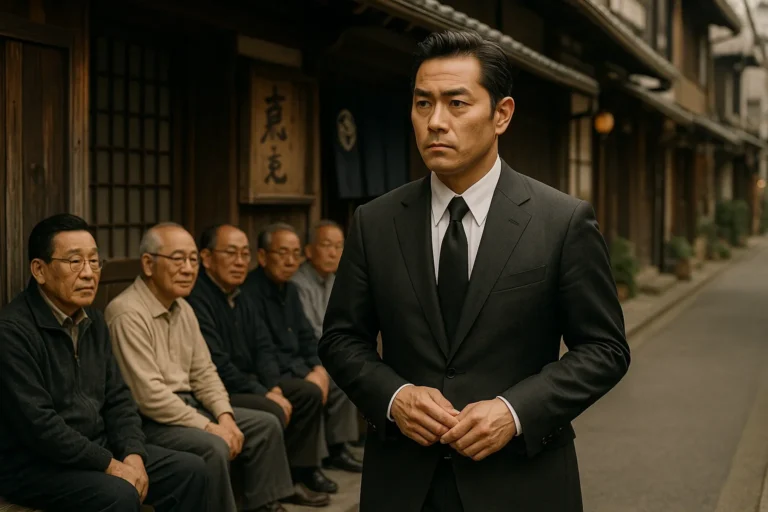
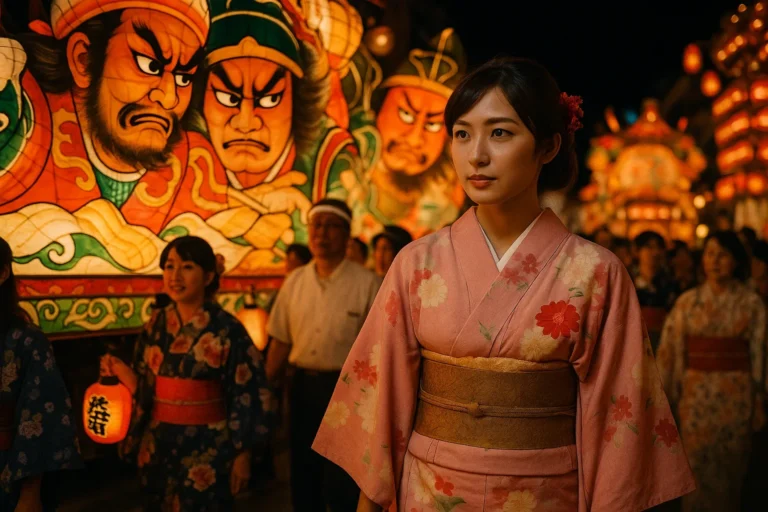
Beyond narrative, yakuza culture has left a distinct visual imprint on Japanese game design. The stylized portrayal of neon-lit streets, traditional kimono juxtaposed with modern streetwear, and the meticulous recreation of Tokyo’s underground economy create immersive environments that feel both authentic and cinematic. Game developers often incorporate elements such as:
- Authentic Japanese architecture and signage.
- Subtle nods to yakuza tattoos and symbols.
- Dynamic lighting that captures the contrast between day and night in urban settings.
- Soundtracks that blend traditional Japanese instruments with contemporary beats.
These aesthetic choices not only enhance realism but also reinforce the thematic weight of the narrative. For instance, the Yakuza: Like a Dragon game uses a vibrant color palette to differentiate between the protagonist’s internal struggles and the external chaos of the city.
Modern Game Series That Celebrate Yakuza Themes
While the Yakuza series is the most obvious example, other titles have also embraced yakuza-inspired design. The Persona series, for instance, blends high school life with supernatural battles, yet its social simulation mechanics echo the yakuza’s emphasis on building and maintaining relationships. Similarly, the Death Stranding game incorporates themes of loyalty and community, drawing parallels to the yakuza’s collective ethos.
Academic research also highlights these connections. A study published by the University of Tokyo’s Department of Cultural Studies (see University of Tokyo) examines how contemporary Japanese media reflects traditional social structures, including the yakuza’s influence on modern storytelling.
Conclusion: The Enduring Legacy of Yakuza Culture in Gaming
Yakuza culture’s impact on Japanese game design is undeniable. From narrative depth and character complexity to visual authenticity and thematic resonance, the yakuza’s code of honor and societal role have become a wellspring of creative inspiration. As developers continue to push the boundaries of interactive storytelling, the yakuza’s legacy will likely remain a cornerstone of Japanese video game culture.
Frequently Asked Questions
Q1. How did Yakuza culture influence narrative structure in Japanese games?
Yakuza culture introduced a hero’s journey that mirrors the rise from outsider to respected leader. Game designers use this arc to craft protagonists who face moral dilemmas, forge alliances, and confront betrayal. The emphasis on honor-bound decision making creates tension and depth in the storyline. Dialogue-driven plot twists and character depth reflect the yakuza’s negotiation skills. This narrative framework has become a staple in many Japanese RPGs.
Q2. What visual elements reflect Yakuza influence?
Neon-lit streets, authentic Japanese architecture, and subtle tattoo motifs are common visual cues. Developers use dynamic lighting to capture day-night contrasts in urban settings. Soundtracks blend traditional instruments with modern beats to enhance atmosphere. These aesthetic choices reinforce thematic weight and realism. They also help players immerse in the city’s underworld.
Q3. Which game series besides Yakuza exemplify these themes?
Persona 5 Royal incorporates social simulation mechanics that echo relationship building. Death Stranding explores loyalty and community, paralleling yakuza ethos. The Yakuza series itself remains the most direct example. Other titles like Nioh and Ghost of Tsushima also draw on organized crime tropes. These games showcase how yakuza-inspired design transcends genres.
Q4. How do developers balance authenticity with entertainment?
They research historical context and consult cultural experts to avoid stereotypes. Gameplay mechanics are adapted to fit narrative goals rather than strict realism. Designers often exaggerate elements for dramatic effect while maintaining core values. Playtesting with diverse audiences ensures accessibility. The result is a respectful yet engaging experience.
Q5. What future trends might emerge from Yakuza-inspired design?
We may see more open-world titles that blend crime drama with social simulation. Virtual reality could immerse players in the yakuza’s code of honor. Cross-genre collaborations might bring yakuza themes into indie storytelling. AI-driven dialogue could deepen character interactions. Overall, the legacy will continue to inspire innovative narratives.