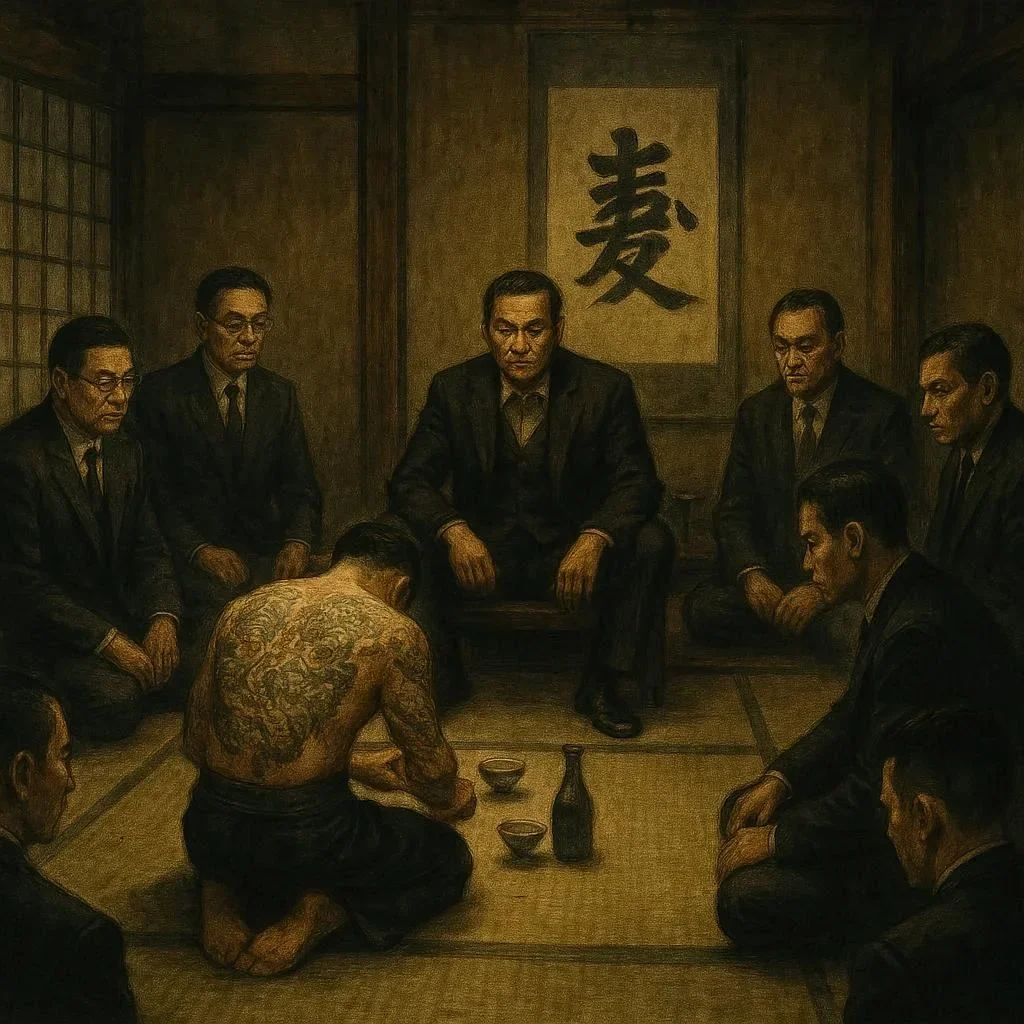
Yakuza-Based Narratives Captivate Gamers
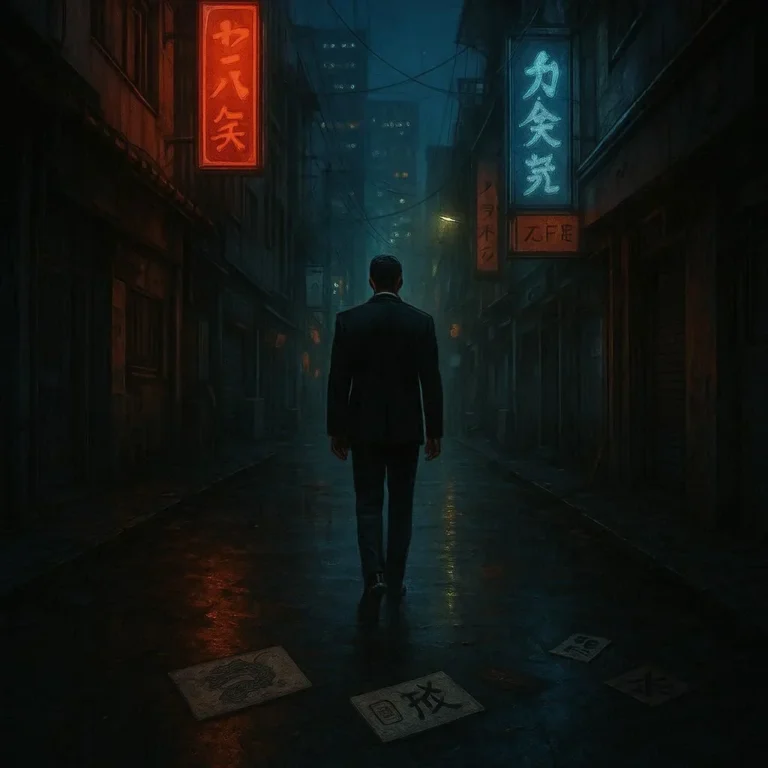
Yakuza-Based Narratives Captivate Gamers by blending gritty realism, complex characters, and a deep dive into Japanese culture. These stories, often set in neon‑lit streets and bustling karaoke bars, offer a unique blend of crime drama and heartfelt storytelling that resonates with players worldwide. The allure lies not only in the action but in the moral ambiguity, cultural authenticity, and the way these games explore the human condition through the lens of organized crime.
Why the Yakuza Genre Resonates
At its core, the Yakuza genre taps into universal themes—loyalty, betrayal, redemption—while grounding them in a distinct cultural context. Players are drawn to the intricate power dynamics of the yakuza clans, the ritualistic codes of honor, and the stark contrast between the brutal underworld and the everyday lives of ordinary citizens. This duality creates a rich narrative tapestry that keeps gamers engaged long after the final boss is defeated.
Authenticity Through Cultural Detail
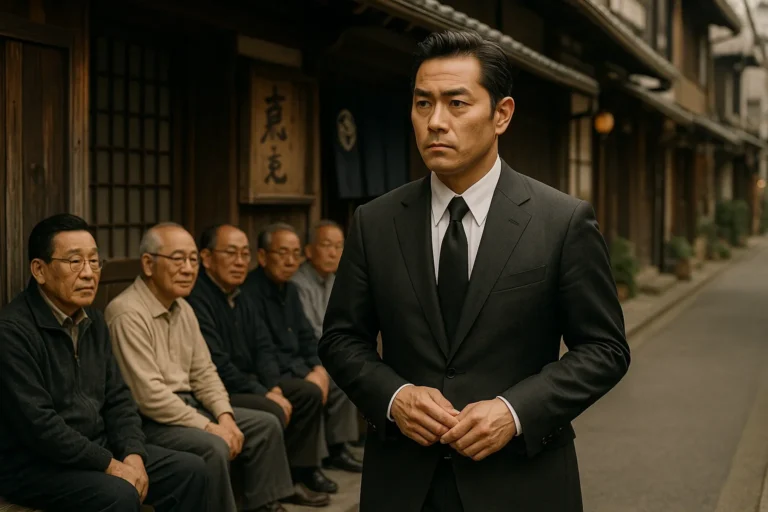
One of the most compelling aspects of Yakuza-based games is their meticulous attention to detail. From the architecture of Osaka’s entertainment districts to the traditional tea ceremonies, developers invest heavily in research to recreate a believable setting. This authenticity is not merely aesthetic; it informs character motivations and plot twists, making the story feel lived‑in and credible.
- Historical Accuracy: Developers consult historical texts and local experts to portray the yakuza’s evolution accurately.
- Language Nuance: The use of honorifics and regional dialects adds depth to dialogue.
- Social Commentary: Games often critique modern Japanese society, reflecting real-world issues such as corporate pressure and generational conflict.
- Immersive Soundtrack: Traditional instruments blend with contemporary beats, mirroring the genre’s fusion of past and present.
Character Development That Goes Beyond Stereotypes
Yakuza narratives excel at humanizing their protagonists. Rather than presenting a one‑dimensional gangster, these games explore the protagonist’s backstory, personal struggles, and moral dilemmas. The main characters often juggle responsibilities as family members, business owners, and crime lords, creating a multi‑layered persona that players can empathize with. This depth transforms the gaming experience from a simple action sequence into a compelling character study.
Moral Ambiguity and Player Choice
Unlike many action titles that offer clear-cut heroes and villains, Yakuza-based narratives thrive on moral gray areas. Players frequently face decisions that affect the story’s outcome, such as choosing between loyalty to a friend or protecting an innocent. These choices force gamers to confront ethical questions, adding replay value and emotional investment.
Impact on Video Game Storytelling
The success of Yakuza-based narratives has influenced broader video game storytelling. Game designers now prioritize narrative depth, cultural research, and character complexity. The genre’s emphasis on realistic dialogue and branching storylines has set a new standard for immersive storytelling in interactive media.
Conclusion: A Call to Explore the Depths
Yakuza-Based Narratives Captivate Gamers because they offer more than just action—they provide a window into a world where honor, family, and survival intersect. The genre’s commitment to authenticity, complex characters, and moral nuance creates an unforgettable experience that resonates across cultures. If you’re ready to step into a world where every choice matters and every street corner holds a story, dive into a Yakuza-based game today and discover why this narrative style continues to enthrall players worldwide.
Ready to experience the intrigue? Start your journey with a Yakuza-based game now and immerse yourself in a story that blends crime, culture, and character like no other.
For more insights into Japanese organized crime and its portrayal in media, visit Yakuza (Wikipedia), Japanese Organized Crime (Wikipedia), Video Game Narrative (Wikipedia), and Japanese Cultural Studies (JSTOR).
Frequently Asked Questions
Q1. What makes Yakuza-based narratives unique compared to other crime games?
Yakuza-based narratives stand out by immersing players in authentic Japanese settings, combining gritty realism with heartfelt storytelling. The games weave intricate character arcs, moral ambiguity, and cultural details that go beyond typical action tropes. This blend creates a rich, emotionally resonant experience that keeps players engaged long after the final boss is defeated.
Q2. How accurate is the depiction of Yakuza culture in these games?
Developers invest heavily in research, consulting historians, local experts, and former yakuza members to portray the organization’s evolution accurately. While some dramatization is inevitable for gameplay, the attention to detail—architecture, dialects, rituals—adds a layer of authenticity that fans appreciate.
Q3. Do Yakuza games offer meaningful player choices?
Yes, many titles feature branching storylines where decisions—such as loyalty versus protection—directly influence outcomes. These choices deepen the narrative, encourage replayability, and force players to confront ethical dilemmas.
Q4. Which Yakuza titles are best for newcomers?
Yakuza 0 is often recommended as an entry point due to its accessible gameplay and rich backstory. Other accessible picks include Yakuza Kiwami (a remake of the original) and Yakuza 6: The Song of Life, which offer polished mechanics and compelling narratives.
Q5. How have Yakuza narratives influenced broader game storytelling?
The genre’s emphasis on cultural research, realistic dialogue, and complex characters has set new standards for narrative depth in action games. Designers now prioritize immersive storytelling, branching choices, and authentic world-building inspired by Yakuza’s success.