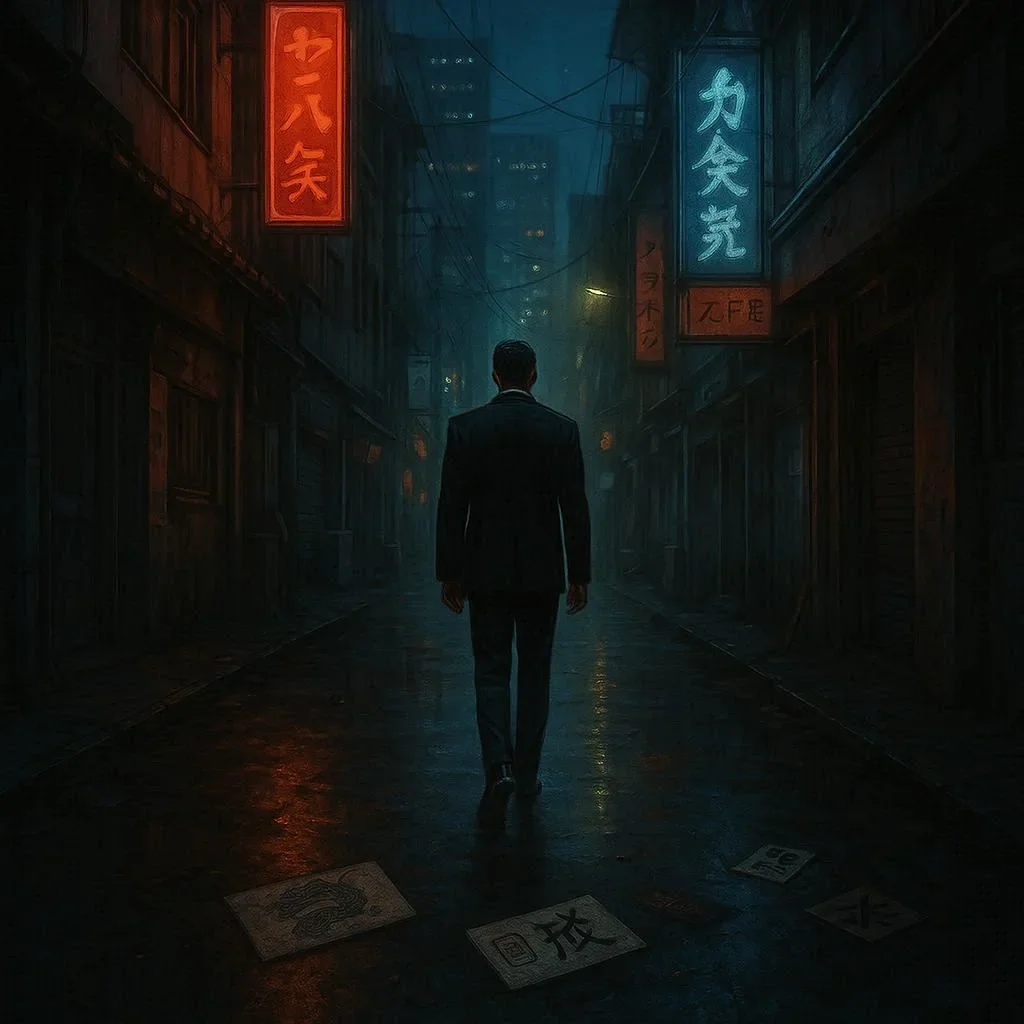
Yakuza Aesthetics Shape Japan’s Visuals
Yakuza Aesthetics has long intrigued scholars and photographers alike for its stark, stylized portrayal of power, honor, and forbidden beauty. The interplay of sharp lines, contrasty lighting, and provocative symbolism that originates in Yakuza culture has seeped into Japanese photography, influencing visual storytelling, fashion shoots, and street imagery. From the earliest color prints in the 1970s to contemporary digital installations, the motif persists—guiding framing choices, composition, and narrative tension. This article traces how Yakuza Aesthetics, originating as a cinematic palette, redefined the visual lexicon of Japan and continues to shape the cultural zeitgeist.
Origins of Yakuza Aesthetics in Visual Culture
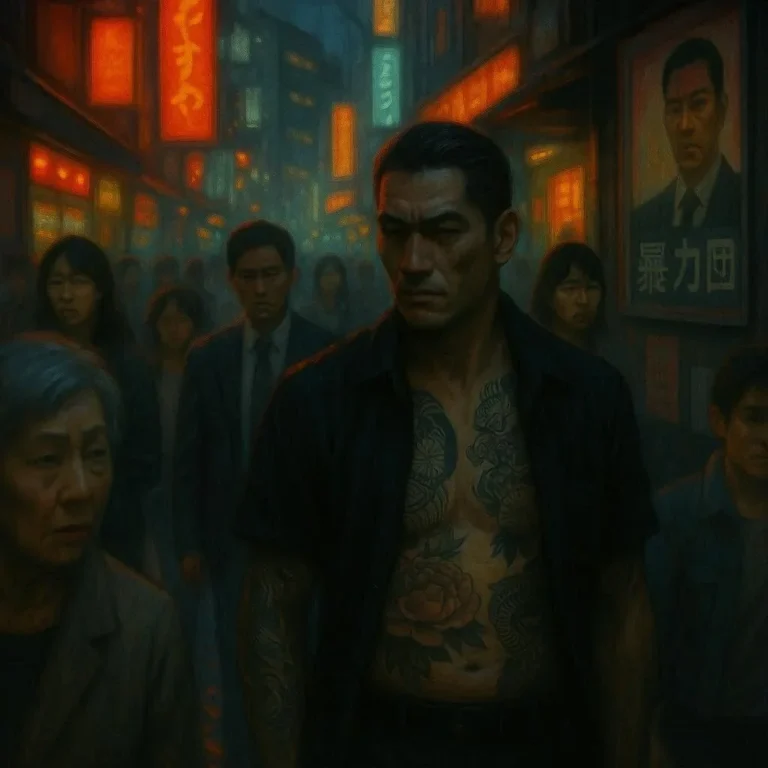
The roots of Yakuza Aesthetics lie in the flamboyant character design of Japanese biker films and the gritty realism of noir lighting. Filmmakers borrowed elements from the Japanese photography tradition of chiaroscuro, bringing them into a new realm of stylized street life. This translation from moving image to still frame fostered a visual grammar that artists later adapted: fading silhouettes, high-contrast shadows, and ornamental tattoos deliberately captured in tight macro shots. By the 1990s, Yakuza-inspired visuals became emblematic of street culture, creating a shared aesthetic vocabulary that merged illicit intrigue with mainstream fashion.
Cinematic Resonance: From Film to Still Image
Japanese cinematography, especially in visual storytelling, has leveraged Yakuza motifs to depict themes of loyalty, ambition, and moral ambiguity. Photographers echo these cinematic techniques—using tight depth of field, grainy textures, and cinematic lighting to evoke the same dramatic tension found on screen. The era of Director Of Photography Masaki Yanagi further cemented these principles, capturing entourages of samurai with a pause of suspense reminiscent of a dramatic close-up. The dialogue between motion pictures and photographic stills not only expanded Yakuza Aesthetics but democratized its stylistic elements, bringing them into the hands of everyday artists and vloggers alike.
Street Fashion and the Subversive Look
Fashion photography easily absorbs Yakuza Aesthetics as the visual shorthand for rebellion. High-profile Japanese streetwear brands such as Ami Yee and Beams use taglines and imagery steeped in the stylized silhouette of a tattooed Yakuza. This movement, celebrated in exhibitions across Tokyo, Kyoto, and Osaka, produces motifs—tattooed backs, exaggerated collars, and gray-scale nail art—that create an aura of defiance wrapped in clean, editorial layout. The aesthetic irony of police agents and corporate attire pairing with Yakuza imagery invites an ongoing conversation about identity and visibility. You can see this stylistic convergence at the Street Photography annual in Tokyo, where editorial shoots apply cinematic lighting to outline the juxtaposition of street life and corporate visuals.
Editorial Narratives: The Dark Imperative
Yakuza Aesthetics permeates editorial spreads, especially within magazines that prioritize narrative-driven content. For instance, Japanese lifestyle magazines and indie publications often employ a three-dimensional storytelling structure: a volatile situation in the foreground, a bleak background, and a blurred yet detailed central character. The resulting images become a metaphor for an untold, often hidden, side of Tokyo that Yakuza culture encourages viewers to explore. Through this strategy, editors embrace the black‑and‑white palette as an audio‑visual anthem that speaks louder than words.
Contemporary Photographic Movements
Modern photography takes Yakuza aesthetics further by blending digital manipulation and traditional techniques. Photographers use high dynamic range (HDR) imaging to amplify the grit and monotone contrasts that echo the longstanding Yakuza motif. Meanwhile, the international community of photographers—such as the photographer group “Satori Studios”—integrates Yakuza backgrounds into Instagram reels and TikTok stories, converting the aesthetic into brand imagery and a visual cry for authenticity. Many samurai-inspired portraits continue to create a mythic aura. Scholars have highlighted the golden age of weaponized aesthetics, with Yakuza Aesthetics providing a visual stasis that is simultaneously appealing and unsettling.
Select List of Influential Yakuza-Inspired Japanese Photographers
- Shomei Tomatsu – pioneering shot‑remnant of Yakuza motifs in documentary style.
- Jiro Ikushima – famed for blending urban decay with aesthetic precision.
- Makoto Ozaki – credited with fashion photography that adopts Yakuza aesthetic elements.
- Yuki Kurimoto – contemporary digital artist pushing the limits of visual culture with Yakuza motifs.
- Minako Kawai – a street photographer who expertly captures the everyday in Yakuza tones.
Conclusion: Embracing the Legacy
The enduring power of Yakuza Aesthetics in Japanese photography lies in its ability to let a culture express identity through powerful visual channels. While the origins are indelibly tied to the underground world, its influence now extends to mainstream fashion, editorial narratives, and avant‑garde street photography. Whether you are an emerging photographer, a seasoned professional, or simply a visual culture enthusiast craving a deeper understanding of how aesthetics breathe life into culture, digging into the legacy of Yakuza Aesthetics offers a masterclass in emotional resonance and narrative depth.
Take your next shot and let Yakuza Aesthetics inspire the vibrancy in your imagery—discover, experiment, and share your unique visual stories!
Frequently Asked Questions
Q1. What exactly is Yakuza Aesthetics?
Yakuza Aesthetics is a visual style rooted in the outlaw culture of Japan’s Yakuza. It blends sharp lines, high-contrast lighting, and symbolic tattoo imagery to convey themes of power, honor and danger. In photography, it often appears as gritty shadows, monochrome palettes, and dramatic silhouettes that echo classic film noir.
Q2. How did Yakuza Aesthetics enter Japanese photography?
The aesthetic emerged in the 1970s when filmmakers adapted the stylized gangster imagery from Yakuza films into still images. Photographers adopted chiaroscuro lighting and tight framing, translating the cinematic drama into still photography. Over time this style spread from underground circles to mainstream fashion and editorial shoots.
Q3. In what ways does Yakuza Aesthetics influence street fashion?
Streetwear brands now use Yakuza motifs—tatted backs, exaggerated collars, black‑on‑black palettes—to signal rebellion and edge. These visual cues create a narrative of defiance while maintaining a polished editorial look. The result is a cultural cross‑pollination that blurs the line between subversive grit and high fashion.
Q4. Can Yakuza Aesthetics be used in digital media?
Absolutely. Modern photographers integrate it into HDR, Instagram reels, TikTok stories, and virtual installations. Digital manipulation amplifies contrast and saturation, while macro shots keep the tactile tattoos and textures alive. The aesthetic has transitioned from analog to 21‑st‑century online platforms.
Q5. What are some key photographers who exemplify Yakuza Aesthetics?
Notables include Shomei Tomatsu, Jiro Ikushima, Makoto Ozaki, Yuki Kurimoto, and Minako Kawai. Each brings a unique perspective—documentary grit, urban decay, fashion innovation, digital experiments, and street documentation—to this Japanese cultural iconography.