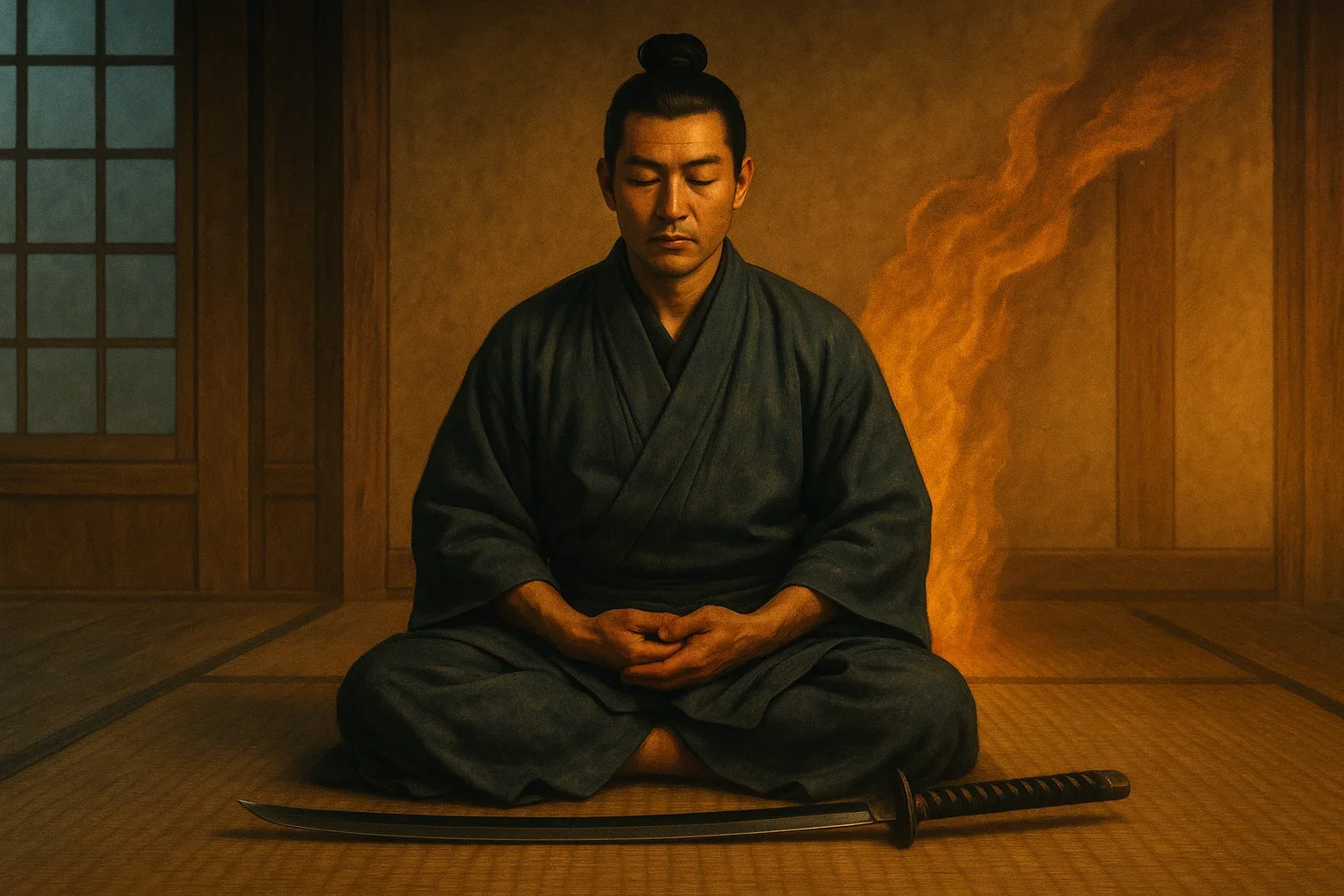
Yakuza Adopted Samurai Rituals
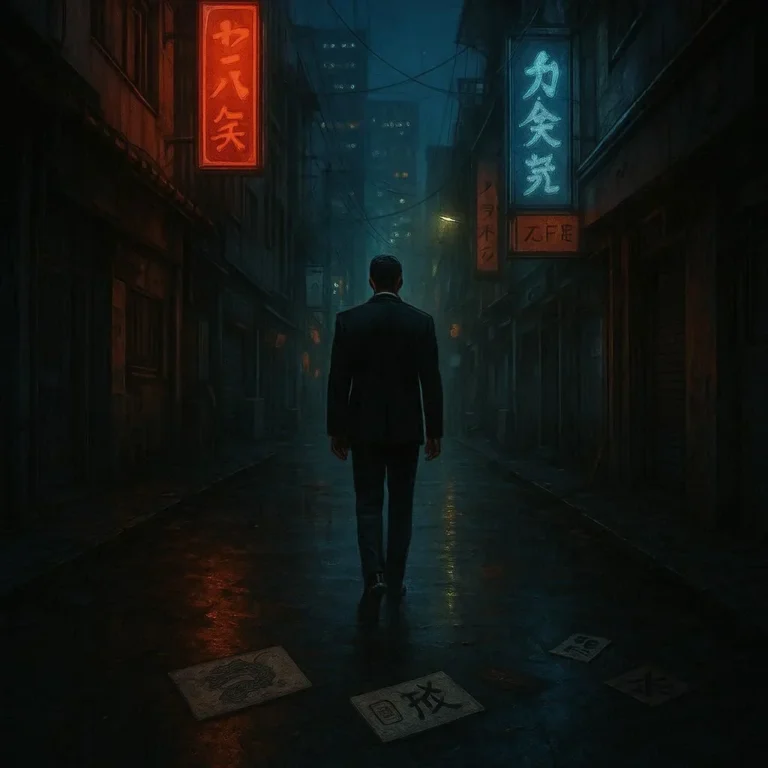
The world of Japan’s organized crime—known as Yakuza—has long fascinated researchers, largely because of its public façade. Beneath the veneer of neon‑lit underworlds, however, the Yakuza have historically modeled many of their customs on the ancient traditions of the Japanese samurai. By studying the rituals of both groups, scholars can discern how the Yakuza leveraged samurai courtesy—mirroring the code of Bushido—to build legitimacy, maintain internal order, and signal social status within the broader Japanese society. In this article, we trace the most influential samurai courtesy rituals embraced by the Yakuza from the Edo era to contemporary New Japan.
From Bushido to Business Etiquette
The Yakuza’s relationship with the samurai stemmed from the class structure of the Tokugawa period (1603‑1868). Samurai, who upheld the samurai ethos of honor and discipline, were the de facto administrators and enforcers of municipal order. When the feudal system collapsed, many former samurai turned to alternative livelihoods, gradually converting into early gangster factions (known as *yobun*). These shifts allowed the Yakuza to inherit a toolkit of ceremonial practices, including elaborate bows, strict hierarchical titles, and ritualized apology rituals. They subsequently repurposed these customs for modern business negotiations and conflict resolution among clans.
The Art of Bowing: Honoring Hierarchical Bonds
In *samurai* culture, the bow ( *uke* ) was more than a greeting; it conveyed respect, humility, and recognition of social rank. The Yakuza refined this practice into a multi‑layered ceremony featuring various degrees of depth, duration, and mutual eye contact. The most senior members would bow to junior associates at a 90‑degree angle, while lower ranks would exhibit a less steep angle. This subtle signal of hierarchy reinforced chain-of-command fidelity, even in the volatile climate of organized crime. Studies such as the one published by the *Japan Center for International Exchange* illustrate how these bowing hierarchies map onto the *kaden* system of influence within yakuza groups.
Bowing as a Legal Shield
Because Japan’s legal framework historically offered limited recognition to certain Yakuza obligations, the bow became a non‑legal mechanism for binding members. By performing a public series of bows before entering a *kodo* (meeting space), each member tacitly reaffirmed their pledge to uphold group confidentiality and loyalty. This symbolic act prevented external settlements with law enforcement, thereby reducing the risk of infiltration.
Apology Rituals: The *Tsuke* and *Shomei* Exchanges
To avoid damaging reputation and preserving *namida* (face), Yakuza members adopted the samurai courtesy of formal apology rituals. One tradition they borrowed is the *tsuke*—a ceremonial self‑handcuffing involving a bamboo chain, giving the impression of self‑discipline. Another adapted ritual is the *shomei*, or formal confession before a senior. These exchanges, parallel to the samurai hansei, communicate responsibility without compromising the group’s secrecy. Accounting for the Yakuza’s need for continuity, these apology rituals also serve as informal conflict‑resolution tools, preventing disputes from escalating into lethal violence.
Meneriting the *Shōjo* Ceremony
The *shōjo* (examination) ceremony, originally a samurai rite of reviewing a new samurai’s commitment to the *bushin*, was re‑imagined as a Yakuza initiation culminating in a *makimono* (handwriting of vows). The event reinforces the sense of belonging and inviolable code, even as the initiants transition into more violent or financially driven roles.
Service Stations: The *Kura* as Confessional Havens
Traditional samurai houses (*kura*) served dual purposes as communal shelters and storage for apprentices. The Yakuza adopted *kura*‑style practices by maintaining communal sites—often small cafés or noodle shops—where suspects could sign a written *Tenets of the Yakuza*. Notably, these spaces also allow members to practice the samurai’s *giri* (duty) and *ninjo* (humanity) balance when they face external pressures. The establishment’s reputation as a reliable meeting point helps protect Yakuza members during legal investigations.
Conflict Prevention through Ritual
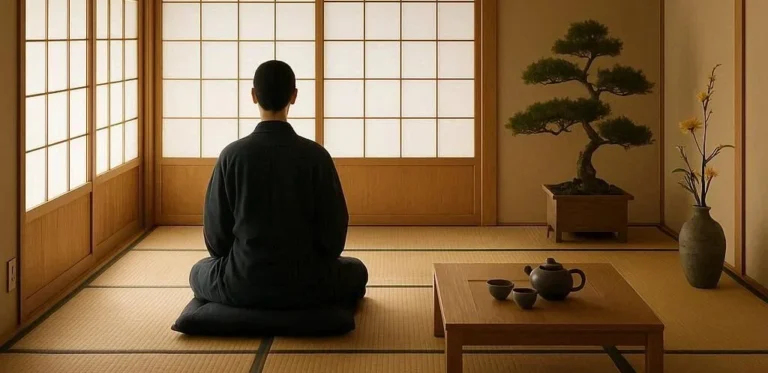
When facing internal disputes, Yakuza clans often convene *kōchō* (conflict meetings) that echo samurai deliberation circles. The meeting format—sitting around a low table, drinking tea, bowing before each speaker—mirrors the *jo‑do* samurai practice of serenity. This ritualistic setting tempers aggression and fosters consensus, keeping clan cohesion intact.
Ritualized Alcohol: From *Sake* to *Yōshoku*
Samurai culture contained precise rules for consuming *sake*, respecting *suminō (aspirational conduct)* and consuming it in designated order to demonstrate unity. The Yakuza transposed the *sake* ritual into the *yōshoku* meeting where representatives from distinct clubs raise a “triumph cup” in a synchronized riff. This series emphasizes trust and collective identity while discreetly indicating each member’s precise rank. The ritual also provides a natural pause in high‑stakes negotiations, a technique often documented in the *Osaka Police Academy* case studies.
- Bowing Depth: Mirrors samurai rank.
- Apology Rituals: Formalizes internal accountability.
- Initiation Ceremonies: Re‑imagined *shōjo* practices.
- Comprehensive Meeting Protocols: Adapted “kōchō” deliberation style.
- Alcohol Rituals: Recreating the *sake* hierarchy.
Modern Echoes: Yakuza Rituals in the Age of Digital Crime
Despite the rapid technological shifts into cyber‑crime and international trafficking, the Yakuza retain these ceremonial strands. In a 2019 interview with Japanese Ministry of Justice, officials highlighted the continued use of restrained public gatherings featuring samurai courtesy elements to reinforce loyalty. Even when venturing into overseas markets—especially in China—Yakuza leaders organize formal *omotenashi* (Japanese hospitality) events, echoing samurai courtesy to build cross‑cultural respekt.
Social Media and Designated Messaging
Yakuza groups have extended traditional courtesy to digital interfaces. SMS threads often commence with a digital bow emoji, signaling respect before conducting business (a practice documented by the University of Tokyo’s *Digital Crime Research Center*). This blend of ancient ritual with new media demonstrates the adaptive resilience of Yakuza culture.
Conclusion: Honoring Tradition While Stepping Into the Future
In sum, the Yakuza’s deliberate adoption of samurai courtesy rituals underscores a shared pursuit of legitimacy, order, and honor—principles long celebrated in Japan’s cultural memory. By converting bowing, apology ceremonies, and structured meetings into brand‑specific practices, the Yakuza perpetuate an institutional identity that fuses the old with the new. Understanding these linkages not only clarifies the Yakuza’s internal operations but also offers broader insights into how organized crime can inject classical values into modern structures.
Ready to dig deeper into Japan’s hidden worlds? Subscribe to our newsletter for exclusive analysis on crime, culture, and leadership dynamics.
Frequently Asked Questions
Q1. How did the Yakuza originally adopt samurai rituals?
After the collapse of the Tokugawa feudal system, many former samurai joined emerging gangster groups known as yobun. By borrowing samurai practices such as formal bows, hierarchical titles, and apology rituals, early Yakuza members were able to construct a sense of order and legitimacy that mirrored the feudal elite.
Q2. What is the significance of bowing in Yakuza hierarchy?
Bowing, or uke, functions as a visual cue of rank. Senior members bow at a 90‑degree angle to subordinates, while lower ranks bow less steeply, reinforcing chain‑of‑command under the volatile criminal landscape.
Q3. How are apology rituals used by Yakuza?
Apology rituals like the tsuke and shomei formalize internal accountability. They prevent disputes from escalating into violence by providing a structured way to admit fault and maintain group cohesion.
Q4. How does the Yakuza maintain secrecy through rituals?
Rituals such as the multi‑layered bow before a kodo meeting implicitly bind members to confidentiality, limiting unauthorized disclosures to law‑enforcement investigation.
Q5. What modern adaptations exist for these rituals in the digital era?
Today Yakuza use digital bow emojis and designated messaging threads to signal respect and mark official communication, blending traditional etiquette with contemporary communication platforms.