Traditional Samurai Wrestling Practices
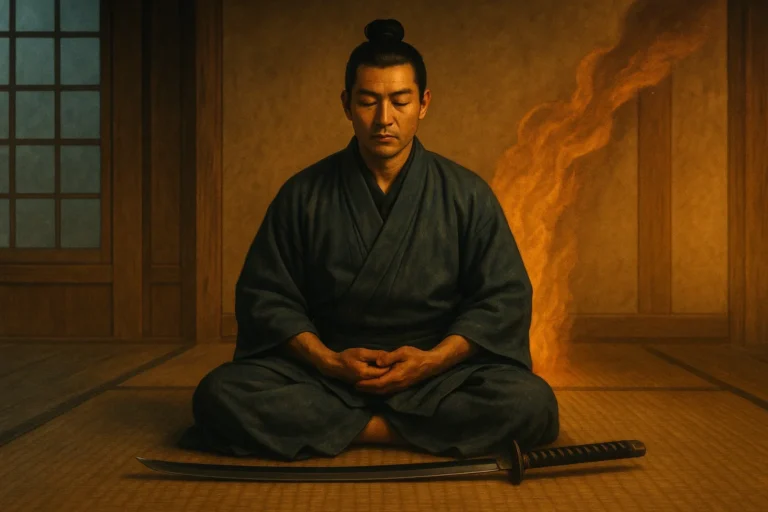
Traditional Samurai Wrestling Practices, though often eclipsed by the more celebrated swordsmanship of the samurai, form a critical component of Japan’s martial heritage. These grappling techniques, rooted in the Bushido code, were designed to subdue opponents swiftly and decisively on the battlefield, ensuring that a warrior could neutralize threats without relying solely on blades. Understanding these ancient wrestling styles offers insight into the samurai’s holistic approach to combat, blending strategy, discipline, and physical prowess.
Origins of Samurai Grappling Techniques
The earliest records of samurai wrestling trace back to the Heian period (794–1185), when warriors began formalizing close‑quarters combat. While the samurai are best known for their kenjutsu (sword techniques), they also studied nage-waza—the art of throwing and grappling—derived from the broader Japanese martial arts tradition. These techniques were influenced by indigenous wrestling styles such as samurai wrestling and the Chinese shuai jiao, adapted to the samurai’s armor and battlefield conditions.
Key Principles of Samurai Wrestling
Samurai wrestlers adhered to a set of core principles that guided their practice:
- Balance and Center of Gravity: Maintaining a low stance to resist takedowns.
- Timing and Rhythm: Exploiting an opponent’s momentary imbalance.
- Control and Leverage: Using joint locks and throws to subdue without excessive force.
- Respect for the Opponent: Wrestling was as much a test of honor as it was of skill.
- Adaptability: Adjusting techniques to armor, weapons, and terrain.
Signature Techniques and Their Tactical Applications
Several wrestling maneuvers became staples in samurai training. Below are five techniques that exemplify the samurai’s strategic mindset:
- Seoi Nage (Shoulder Throw): A powerful hip throw that uses the opponent’s momentum to flip them over the shoulder, often employed when the enemy’s armor creates a high center of gravity.
- Uchi Mata (Inner Thigh Throw): A sweeping motion targeting the inner thigh, allowing the wrestler to destabilize armored foes by lifting their weight.
- Kesa Gatame (Scarf Hold): A pinning technique that immobilizes the opponent on the ground, useful for controlling a retreating adversary.
- O Goshi (Hip Throw): A classic hip technique that leverages the wrestler’s own hips to lift and rotate the opponent.
- Shime Waza (Chokeholds): While less common in armored combat, chokeholds were practiced in training to develop breath control and mental focus.
These techniques were not merely physical; they were imbued with the samurai’s philosophical ethos. Each move required the practitioner to maintain composure, respect the opponent’s dignity, and act with decisive intent—qualities that mirrored the broader Bushido ideals of courage, honor, and loyalty.
Training Regimens and Cultural Significance
Samurai training was rigorous, combining physical conditioning with mental discipline. Daily drills included:
- Repetitive throwing sequences to build muscle memory.
- Shadow wrestling to simulate battlefield scenarios.
- Breathing exercises to enhance stamina and focus.
- Study of historical battle accounts to contextualize techniques.
Beyond combat, wrestling served as a social ritual. It fostered camaraderie among warriors, reinforced hierarchical structures, and provided a controlled environment to resolve disputes. The practice also played a role in ceremonial events, where samurai would demonstrate their prowess before feudal lords, reinforcing loyalty and status.
Legacy and Modern Adaptations
While the samurai era ended in the late 19th century, the principles of Traditional Samurai Wrestling Practices have permeated contemporary martial arts. Modern judo, for instance, incorporates many of the same throws and holds, reflecting a shared lineage. Scholars and practitioners continue to study ancient texts and artifacts to reconstruct authentic techniques, ensuring that the samurai’s grappling legacy endures.
For those interested in exploring this rich heritage, resources such as the Wikipedia page on Judo and the Japanese government’s educational portal on martial arts (Japan Education) provide valuable insights into the evolution of these practices.
Conclusion: Embrace the Spirit of the Samurai
Traditional Samurai Wrestling Practices offer more than just a set of moves; they encapsulate a philosophy of honor, resilience, and strategic thinking that remains relevant today. Whether you’re a martial artist seeking to deepen your technical repertoire or a history enthusiast eager to understand the samurai’s battlefield tactics, studying these wrestling techniques provides a window into the disciplined world of Japan’s legendary warriors.
Ready to master the art of samurai grappling? Join our comprehensive training program and unlock the secrets of ancient wrestling techniques—today!
Frequently Asked Questions
Q1. What are the origins of samurai wrestling?
Samurai wrestling traces back to the Heian period (794–1185), when warriors began formalizing close‑quarters combat. These techniques evolved from indigenous Japanese wrestling and Chinese shuai jiao, adapted to armor and battlefield conditions. Early records show samurai training in nage‑waza, the art of throwing and grappling, alongside swordsmanship.
Q2. What core principles guide samurai wrestling?
Samurai wrestlers focused on balance and center of gravity, timing and rhythm, control and leverage, respect for the opponent, and adaptability. These principles ensured swift subdual of foes while maintaining honor and discipline. They also reflected the broader Bushido ethos of courage, loyalty, and composure.
Q3. Which signature techniques are most used?
Key moves include Seoi Nage (shoulder throw), Uchi Mata (inner thigh throw), Kesa Gatame (scarf hold), O Goshi (hip throw), and Shime Waza (chokeholds). Each technique was chosen for its effectiveness against armored opponents and its alignment with strategic battlefield tactics.
Q4. How was training conducted?
Training combined physical drills—repetitive throws, shadow wrestling, breathing exercises—with mental discipline. Practitioners studied historical battle accounts to contextualize techniques and practiced in controlled environments to resolve disputes and reinforce hierarchy.
Q5. How does samurai wrestling influence modern martial arts?
Many modern disciplines, especially judo, incorporate samurai throws and holds. Scholars reconstruct ancient techniques from texts and artifacts, ensuring the grappling legacy continues. Contemporary training programs also emphasize the philosophical aspects of honor and respect.