Traditional Japanese Clothing Explained
Traditional Japanese Clothing has evolved over centuries, reflecting Japan’s rich history, regional diversity, and cultural values. From the formal kimono worn at weddings to the casual yukata popular at summer festivals, each garment tells a story about its time, place, and purpose. Understanding these garments offers insight into the artistry that shapes Japanese fashion today.
Kimono: The Quintessential Japanese Garment
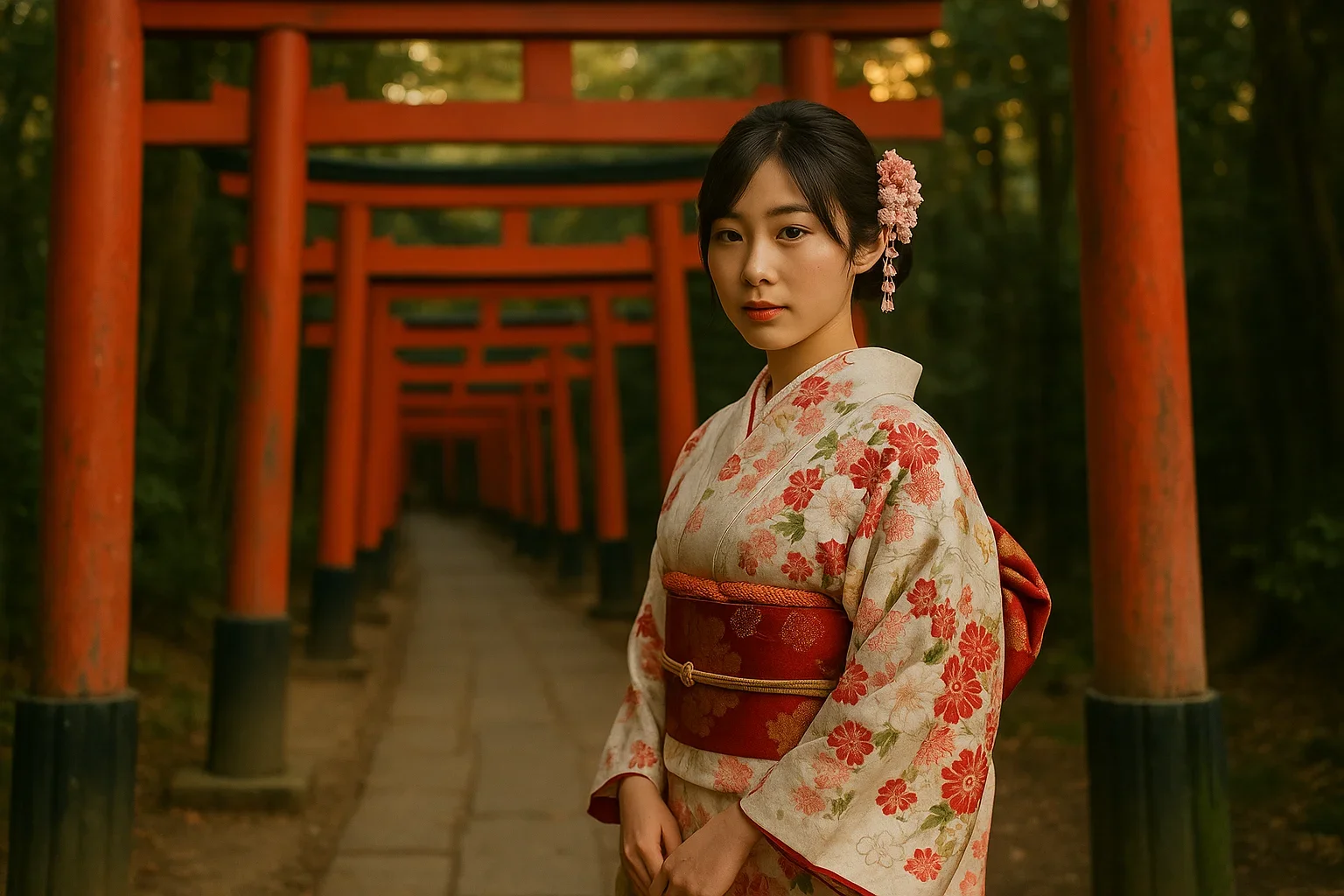
The kimono (着物) is Japan’s most iconic outerwear, traditionally worn by men and women alike. It is a long, T‑shaped robe that fastens at the right side with an obi belt. The fabric—silk, cotton, or synthetic blends—is often elaborately embroidered or printed with seasonal motifs. Kimono design is heavily influenced by color symbolism; bright hues suggest optimism while muted shades imply restraint. Historically, the kimono symbolized status, with intricate patterns reserved for the aristocracy.
Yukata: Summer Kimono for Casual Elegance
Yukata (浴衣), a lighter version of the kimono, is typically made from cotton or synthetic fibers, making it comfortable for hot summers. Unlike the formal kimono, yukatas are easier to dress and can be found in shops around every festival. The obi for a yukata is usually a single, folded strip rather than the complex fabric rosettes seen on wedding kimono. Wearing a yukata feels like stepping into a summer breeze; pair it with geta sandals for a traditional look.
Furisode: Bride’s Stunning Kimono Variant
Furisode (振袖) refers to a formal kimono worn by unmarried women. The intentional asymmetry of the long, dangling sleeves creates a striking silhouette. Historically, the furisode’s full-length sleeves signified a woman’s young age and her availability for marriage. Modern bridal parties often incorporate furisode into their attire, sometimes mixing it with contemporary accessories for a contemporary‑yet‑traditional wedding look.
Haori: Elegant Overskirt for Formal Occasions
A haori (羽織) is a semi‑formal jacket worn over the kimono, often made of satin or silk. It was originally worn by samurai and has since become signifying a sense of grace. Women sometimes wear a haori at tea ceremonies or when attending business meetings in the city. Haori is usually left slightly open, revealing part of the kimono’s design underneath.
Beyond these four staples, Japanese traditional clothing encompasses a sliding catalog of garments such as the hakama pants, the shinobi‑style tabi socks, and the furuku robe. The evolution of textile technology has also enabled modern adaptations—designer kimono featuring contemporary prints, or yukata made from recycled fabrics to reduce environmental impact.
Table of Common Traditional Items
- Kimono – Formal, full-length robe.
- Yukata – Light cotton version for festivals.
- Furisode – Long‑sleeved kimono for brides.
- Haiori – Sleeveless jacket worn over kimono.
- Hakama – Trousers worn under kimono for male officials.
- Obi – Belts that secure kimono, varying in style.
When selecting a traditional garment, consider the event’s formality, season, and cultural context. For example, the summer festival atmosphere opens the door for vibrant yukata, whereas a shinto ceremony typically calls for a subdued, long kimono. Clothing selection not only respects tradition, but also enhances the wearer’s sense of belonging within a cultural narrative.
Modern Japanese fashion designers are honoring tradition while pushing boundaries. Designers like Yohji Yamamoto collaborate with textile artisans to revive historical patterns, presenting them in avant‑garde cuts. In contrast, some fashion houses adapt kimono fabrics for contemporary streetwear, embedding them with subtle prints. These collaborations highlight how the legacy garment remains relevant in the 21st‑century aesthetic landscape.
Beyond aesthetics, traditional Japanese clothing possesses historical significance tied to social hierarchy, gender, and regional identity. The color and design of a kimono could indicate a wearer’s marital status, job, or rank. Even today, these garments serve as a cultural bridge, connecting Japan’s past with its modern society.
In addition to the garments themselves, the ceremonies of donning, ushing (arranging the folds), and storing kimono are part of a rich cultural practice. This practice has yielded ethics and etiquette around compliments, iris adjustment, and proper removal.
Whether you are a tourist, a fashion enthusiast, or someone searching for a unique accessory for a wedding or festival, traditional Japanese clothing offers an unparalleled experience of cultural immersion, craftmanship, and elegance.
Ready to step into tradition? Book a kimono rental or buy a yukata today and immerse yourself in centuries of Japanese elegance.
Wikipedia: Kimono | Wikipedia: Yukata | Wikipedia: Furisode | Wikipedia: Haori | Japan Travel Guide – Traditional Clothing
Frequently Asked Questions
Q1. What is the difference between a kimono and a yukata?
Kimono is a formal garment made primarily of silk and worn for special events, while yukata is a lighter cotton version used in summer festivals. The kimono’s patterns tend to be intricate, also indicating status or season, whereas yukata patterns are simpler and more vibrant. Construction differs too – a kimono has a deeper cut and longer sleeves. Therefore, kimono is for formal occasions, and yukata is ideal for casual summer settings.
Q2. When should I wear a furisode?
Furisode are traditionally worn by unmarried women at weddings, coming‑of‑age ceremonies, and other formal events. They are also popular for brides on their wedding day to showcase their status. In modern styles, furisode can be combined with contemporary accessories for a blended look. Always match the garment with the formality of the occasion.
Q3. How do I properly fasten an obi belt?
The obi starts at the right side of the kimono, forming a loop. Wrap the belt around the waist twice, then pull it through the middle loop and secure it with a knot. A simple kombu knot is recommended for beginners. Adjust tension evenly so the obi hangs smoothly, revealing the kimono’s pattern.
Q4. Are there modern adaptations of traditional kimono for everyday wear?
Yes—designers like Yohji Yamamoto use kimono fabrics in streetwear cuts and modern cuts with obi elements. Tailored shirts, blazers, and even pants can incorporate kimono patterns or obi belts for a subtle nod to tradition. Recycled and sustainable fabrics are also used to produce lightweight, eco‑friendly yukatas for daily wear. These adaptations keep the kimono heritage alive in contemporary fashion.
Q5. Where can I rent a kimono or yukata for a festival?
Many tourist towns, hotels, and specialty shops offer rental services. Online platforms such as Japan‑Guide’s rental listings or local tour operators provide varied styles and sizes. Book in advance, especially during peak festival season, and choose a reputable vendor with good reviews. Rental packages often include folding instructions and optional fittings.