Traditional Instruments That Define Japanese Sound
Japanese sound is a tapestry woven from centuries of cultural evolution, regional influences, and the distinctive timbres of instruments that have survived through imperial courts and rural villages alike. The soul of Japan’s musical identity can be felt whenever a bamboo flute twines its breath with the land, or when a drumbeat echoes across a shrine. In the realm of traditional music, certain instruments shine as luminous pillars, defining the very essence of what it means to hear "Japanese sound". This article explores those key instruments, their origins, techniques, and the ways they continue to inspire modern musicians worldwide.
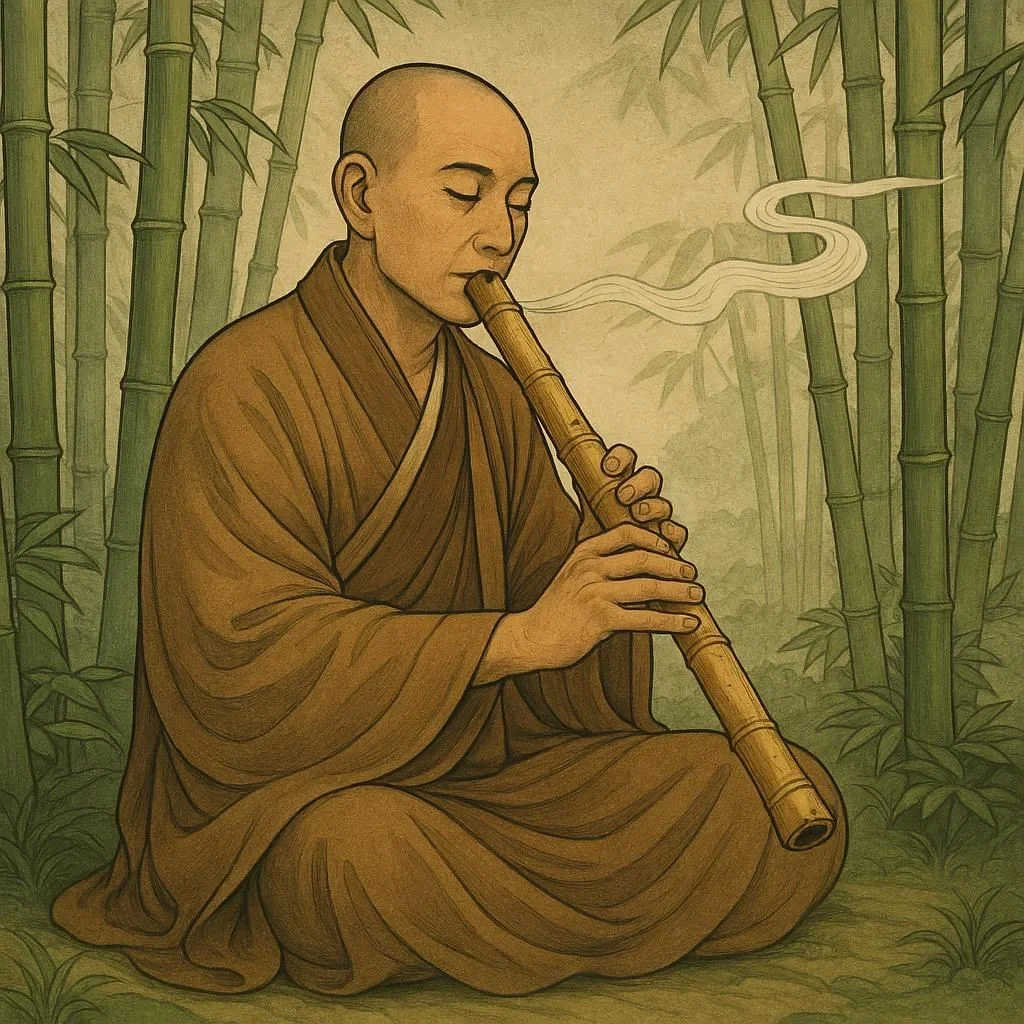
At the heart of Japan’s ancient musical tradition lies the shakuhachi, a slender vertical bamboo flute whose voice has guided Zen monks in meditation since the 12th century. Its breathy, half‑open timbre conjures images of misty mountains and wandering spirits, offering listeners a portal into the country’s contemplative heritage. Contemporary performers now blend traditional scales with extended techniques such as *mura* (a subtle echo effect) and *kawari* (dynamic pitch modulation), enhancing the instrument’s expressive range while staying true to its roots. The shakuhachi’s deep resonance remains a cornerstone of the authentic Japanese sound palette.
The koto, introduced from Tang‑dynasty China in the eighth century, evolved into a uniquely Japanese zither with 13 strings stretched over a resonant wooden soundboard. Musicians pluck each string with a curved pick, or *tsume*, creating delicate, singing notes that echo the gentle sway of bamboo groves. The koto’s emphasis on the *yo* pentatonic scale gives many seasonal songs a wistful, reflective quality that defines the core of traditional Japanese sound. Its haunting sustain and resonant overtones make it an indispensable companion in both solo recitals and ensemble settings.
Taiko Drums and the Rhythm of Japanese Sound
When the conversation turns to the dynamic pulse of Japanese sonic heritage, the taiko drums take center stage. Unlike the delicate wail of the shakuhachi, taiko drums demand power and presence, their resonant beats descending like thunder over the landscape. Historically used in court ceremonies and battle preparations, modern taiko ensembles—such as Oboroshi—have transformed into large‑scale performances that showcase coordinated precision and collective energy. The percussive rhythmic patterns of taiko form an elemental layer in any authentic Japanese sound tapestry.
But the world of Japanese drumming extends beyond the iconic taiko. The *sudobushi* or “straw drum” of Oita Prefecture offers a softer but equally expressive timbre, finely tuned to capture the cadence of folk songs. In the Kyoto region, enthusiasts play the *hyōshigi*, a wooden stick that creates a sharp crackle, often accompanying tea ceremony guests as a subtle musical cue. These regional percussive traditions enrich the auditory landscape, illustrating how rhythmic textures—whether thunderous or gentle—root deeply within the cultural fabric of Japanese sound.
Biwa: Storytelling in Japanese Sound
The biwa, a short‑necked lute with four strings, served as the instrument of court minstrels and traveling monks during the Heian era. Its mournful melodies and plucked rhythms convey tales of heroism, tragedy, and spiritual insight, allowing listeners to immerse themselves in an auditory narrative of the past. Performers manipulate the instrument’s delicate body using a plectrum, changing dynamics from gentle whispers to intense surges, thereby reflecting the changing emotional tones of the story. This storytelling capacity positions the biwa as a pillar of historic Japanese sound, preserving cultural memory through music.
Shō: The Celestial Choir of Japanese Sound
The shō is a free‑reed mouth organ that dates back to the 6th century, closely connected to the ritual chants of Shinto shrines. With 17 reeds tuned to a pentatonic scale, the shō generates sustained clusters that resonate like a celestial choir, filling the air with an ethereal atmosphere. Musicologists note that the shō’s harmonic structure is among the earliest examples of avant‑garde chordal resonance in world music, directly influencing later Japanese gagaku orchestras. Its unique sonority adds a dreamlike layer to any ensemble, reinforcing the thematic depth of authentic Japanese sound.
A Harmonious Relationship: Ensemble Settings in Japanese Sound
Traditional Japanese ensembles blend the distinct voices of individual instruments, creating a balanced sonic architecture that exemplifies holistic design. In a typical gagaku court orchestra, wind instruments such as the *sho*, *shō’, and *koto* weave with percussive elements like taiko and *shōko* to provide rhythmic and timbral richness. Each instrument occupies a specific sonic space: the koto provides melodic lines, the biwa offers harmonic underpinning, while shō adds shimmering chords. This intricate orchestration showcases how Japanese sound is less about isolated notes and more about an interwoven network of tonal colors.
Modern musicians continue to draw from these classical foundations, fusing traditional instruments into contemporary genres ranging from pop to avant‑garde jazz. For example, Japanese rock bands often incorporate *daiko* rhythms, while electronic artists sample *shakuhachi* melodies to create hypnotic loops. Collaborations between Japanese and Western musicians have produced award‑winning projects that simultaneously honor heritage and explore new sonic territories. These cross‑cultural dialogues demonstrate how Japanese sound remains dynamic and relevant in the global music arena.
Digital Preservation and Modern Innovation in Japanese Sound
In recent years, digitization projects have begun to archive the delicate vibrations of traditional instruments, providing high‑resolution recordings that preserve micro‑timbre nuances lost in analog media. Institutions such as the National Institute for Japanese Cultural Preservation have released open‑access databases that researchers and enthusiasts can use to study the exact tonal spectra of the shakuhachi, koto, and biwa. Virtual reality performances now allow audiences worldwide to step into a Japanese tea ceremony and experience the shō’s harmonic drones in immersive 3‑D audio, making the soundscape more accessible than ever. These digital tools ensure that the authentic Japanese sound can be both preserved and innovated upon for future generations.
In parallel, online learning platforms and mobile applications like “Traditional Japanese Instrument Learning” provide interactive tutorials for beginners, offering real‑time feedback on pitch accuracy and rhythmic precision. By combining audio analysis algorithms with cloud‑based instruction, learners can practice the subtle *kakebune* (continuous pitch slide) of the biwa or the rapid *hatsu‑ai* (silent pause) technique used by taiko drummers from the comfort of their own homes. Such technology democratizes access, encouraging a new wave of musicians to explore Japanese sound beyond geographic constraints.
Cultural Preservation and Global Recognition of Japanese Sound
The United Nations Educational, Scientific and Cultural Organization (UNESCO) has recognized the shakuhachi and koto as intangible cultural heritage assets, affirming their universal significance and the need for preservation. In 2019, Japan’s Ministry of Culture launched a national initiative to support master musicians in teaching traditional techniques to younger generations, ensuring that the delicate balance of Japanese sound persists. International festivals like the Hakutulich International Music Festival showcase these instruments to diverse audiences, further promoting cultural exchange. Such efforts highlight the ongoing commitment to safeguarding the instruments that embody Japan’s unique sonic identity.
Below is a concise table summarizing the instruments discussed, along with their primary sound characteristics and typical ensemble roles:
| Instrument | Sound Palette | Common Ensemble Role |
|---|---|---|
| Shakuhachi | Timbre‑rich, breathy, contemplative | Solo meditation, chamber groups |
| Koto | Harmonic resonance, melodic softness | Solo, orchestral accompaniment |
| Taiko | Deep, resonant, powerful | Rhythmic backbone, stage performances |
| Biwa | Mournful, narrative, dynamic | Storytelling, solo, ensemble |
| Shō | Clustered voices, ethereal | Harmonic layer, ceremonial music |
Embrace the timeless allure of these traditional instruments and discover how they can transform your music‑making or listening experience. Whether you are a composer seeking fresh sonic textures, a practitioner of meditation looking for authentic sounds, or simply an avid fan of world music, incorporating elements of Japanese sound will deepen your appreciation of cultural heritage. Dive deeper by exploring the resources linked above, attending a local performance, or even learning to play one of these iconic instruments. The journey into Japan’s rich musical landscape begins with a single note—be courageous, immerse yourself, and let the spirit of Japanese sound guide your creative path.
In sum, the instruments highlighted—shakuhachi, koto, taiko, biwa, and shō—collectively shape the distinct resonance that defines Japanese sound. Their histories intertwine with Japan’s social, religious, and artistic evolution, embedding echoes of the past into contemporary expression. By acknowledging and celebrating these musical treasures, we honor not only the craft but also the intangible cultural lineage that continues to inspire listeners and creators worldwide. Let this exploration serve as both homage and invitation to cherish, learn, and share the enduring legacy of Japan’s sonic heritage.