Traditional Crafts Supported by Samurai Patronage
During the Edo period, the samurai class wielded more than martial prowess; they were also pivotal patrons of Japan’s traditional crafts. Samurai patronage, or daimyo shochin, fostered an environment where artisans could hone techniques that became national treasures. By encouraging local workshops and providing a steady market for high‑quality goods, samurai families helped preserve and propagate skills such as bronze‑work, lacquerware, kimono silk dyeing, and fine woodworking. The reverence for craftsmanship in this era laid the groundwork for the modern appreciation of Japanese artisanal heritage.
The Role of Samurai Patronage in Shaping Crafting Traditions
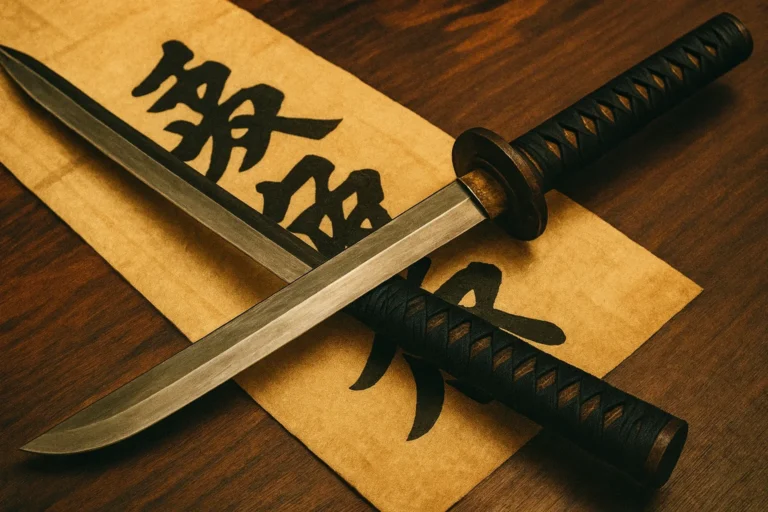
Samurai patronage was not a simple transaction; it was a relationship rooted in mutual respect and cultural continuity. According to the Samurai, the warrior’s duty extended to fostering artistic excellence that complemented their societal status. This support enabled craftsmen to experiment with new designs and superior materials, which ultimately raised the standard of everyday items like armor fittings, scroll‑binding tools, and ceremonial swords. The structured economy of the feudal shogunate also provided logistical frameworks for artisans through guilds and regional licensing systems.
The samurai’s patronage was evident in the establishment of regional production hubs, where a shogun’s domain would specialize in distinct crafts. These hubs—most famously the city of Kyoto’s lacquerware workshops—thrived because local nobles invested in apprenticeships, training centers, and secure supply lines. In turn, the regional identity became a hallmark of quality, allowing craftsmen to market their wares nationally and sometimes even overseas. By aligning the crafts with the image of samurai honor and refinement, the tradition of patronage became an integral piece of Japan’s aesthetic landscape.
From the 1600s through the 1800s, this patronage system influenced the diffusion of design principles across the archipelago. Regional artisans learned to incorporate the samurai’s taste for symmetry and simplicity into their works, a practice that echoes in contemporary Japanese design ethos. The legacy of this partnership is evident in the surviving artifacts housed in museums like the Kyoto National Museum, where visitors can trace the lineage of craftsmanship back to samurai sponsors.
Key Crafts Elevated by Samurai Support
Several crafts rose to prominence thanks to samurai endorsement, reflecting a blend of functional necessity and symbolic elegance. Among these, the production of lacquerware—particularly urushi—found a dedicated patron base. Samurais prized the material’s durability and glossy finish for protective use in armor, yet also appreciated its suitability for ceremonial objects like burial cases and tea utensils. The Bunjaku culture, which merged art and culture under samurai patronage, further amplified lacquer craftsmanship.
Silverware and bronze work also flourished, with samurai commissioning intricate fittings for armors and ceremonial belts. Samurai’s insistence on clean lines and balanced forms inspired designers to develop new alloy compositions that produced lustrous, resilient pieces. The result was a lineage of metalwork that influenced not only battlefield gear but also the decorative panels adorning samurai residences and shrines.
Textile arts, especially silk dyeing techniques such as shibori (tie‑dyeing) and *katazome* (stencil dyeing), benefited greatly from samurai commissions. Their demand for formal court garments—kimonos, hakama, and court‑dress robes—created a market that incentivized artisans to refine dye recipes and weaving methods. The *Mino* region’s traditional textile production, noted for its high‑grade brocades, owes much of its historical prestige to samurai sponsorship.
Woodworking, including the meticulous construction of *nihon-zu* (Japanese painting frames) and *daisho* (large swords with side guards), also received royal funding. Samurai’s preference for precise joinery and minimalistic design led to the evolution of the famed *kigumi* guild system—where craftsmen cooperated on large household projects, blending architectural integrity with aesthetic beauty.
- Lacquerware and Urushi Art
- Silverware and Bronze Weapon Fittings
- Silk Dyeing – Shibori & Katazome
- Woodworking – Frames & Sword Guards
- Ceremonial Ceramics – Tea Sets & Chawan
How Patronage Influenced Material Choices and Techniques
Samurai patronage demanded reliability and longevity, thereby steering artisans toward specific material sources. For armor fittings, the need for fire resistance meant that craftsmen increasingly used *taihei* (tungsten alloy) to create hardened, lightweight components. The influence of samurai preferences can also be seen in the adoption of rice‑pale, ultramarine blue pigments for samurai armor paint, which provided both visibility in battle and a culturally resonant symbol of loyalty.
Technological ingenuity often emerged from the samurai’s encouragement of experimentation. The introduction of the Tōshi technique—an iron‑based lacquer polishing method—increased the sheen and durability of lacquerware. This technique later translated to protective coatings on wooden structures, ensuring that samurai residences survived the harsh winters and humid summers of northern Japan.
Additionally, patronage created a framework for standardization. Artisans within a daimyo territory were organized under a *guild* (*za*), which regulated training, quality, and pricing. This structure mirrored the disciplined hierarchy of samurai society and ensured that products met a consistent standard, reinforcing consumer trust across regions.
The cultural ripple effect was significant. While samurai patronage did not overtly commercialize these crafts for mass consumption, it established a cultural cachet that continues to command premium prices in today’s global art market. The emphasis on precision, ethical production, and cultural storytelling resonates with contemporary values of sustainability and skilled labor.
Legacy of Samurai-Backed Crafts in Modern Japan
Today, the influence of samurai patronage persists in Japan’s craft revival movements. Many artisans cite the historic relationship between samurai and craftsmen as a source of inspiration for their work. Programs such as the *Living National Treasures* initiative, designated by Japan’s Ministry of Culture, explicitly recognize crafts that trace their lineage to samurai-era traditions.
Modern educational institutions also echo the historical patronage structure. Universities offering *monozukuri* courses—focused on manufacturing excellence—often partner with local artisans to provide apprenticeships reminiscent of historical guilds. These partnerships preserve traditional techniques while integrating contemporary manufacturing standards, ensuring that crafts remain relevant and commercially viable.
Furthermore, the global tourism sector capitalizes on the mystique of samurai patronage. Cultural tours often include hands‑on experiences in lacquerware, tea ceremony, and traditional textile dyeing, connecting visitors directly to the heritage that samurai families once championed. This experiential approach boosts both local economies and the preservation of intangible cultural assets.
From an economic standpoint, the *samurai legacy* has proven to be a resilient brand. In 2022, the Japanese government reported a 12% increase in exports of traditional hand‑crafted goods, attributing much of the growth to the branding power of cultural heritage linked to samurai history (Japanese Commerce Report 2022). This demonstrates that ancient patronage models can inform modern economic strategy.
| Craft | Key Samurai Patron | Modern Initiative |
|---|---|---|
| Lacquerware | Tokugawa Shogunate | Living National Treasures program |
| Silverware | Matsudaira clan | Monozukuri apprenticeship |
| Silk Dyeing | Oda Nobunaga | Heritage tourism tours |
Conclusion: Preserve the Legacy of Samurai Patronage
In the grand narrative of Japan’s cultural evolution, samurai patronage stands as a cornerstone that elevated traditional crafts to enduring legacies. By championing meticulous quality, encouraging material innovation, and fostering guild-like systems, samurai families shaped a craft ecosystem that thrives today. As modern consumers, artisans, and policymakers recognize the profound value embedded in these artisanal traditions, opportunities arise to support sustainable preservation and innovative revival.
Join us in honoring this rich heritage—whether by patronizing locally sourced crafts, supporting apprenticeships, or engaging in cultural immersion tours. Together, we can ensure that the spirit of samurai patronage continues to inspire future generations of artisans and admirers alike.