The Journey of a Samurai: From Youth to Master
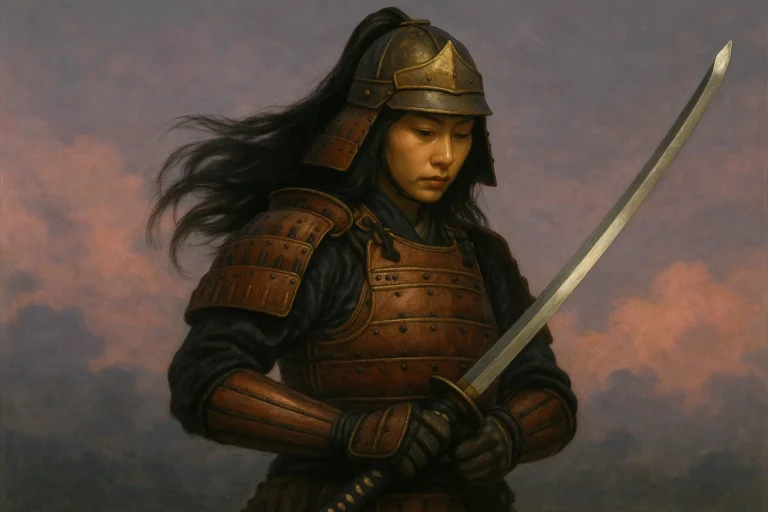
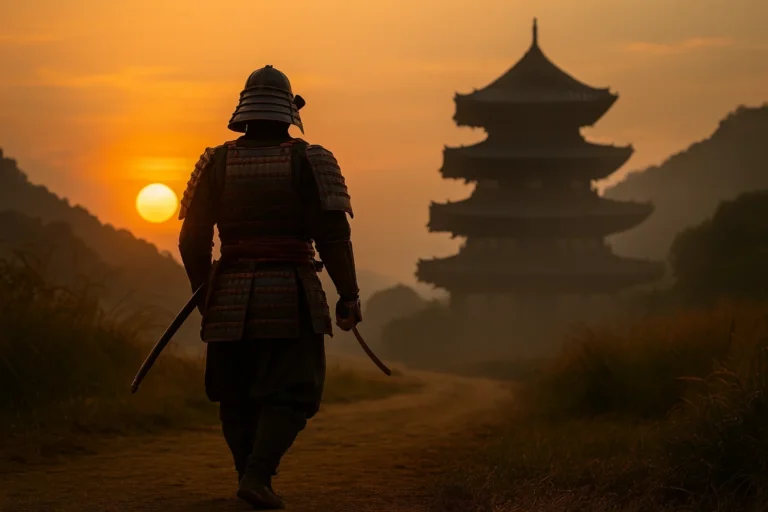
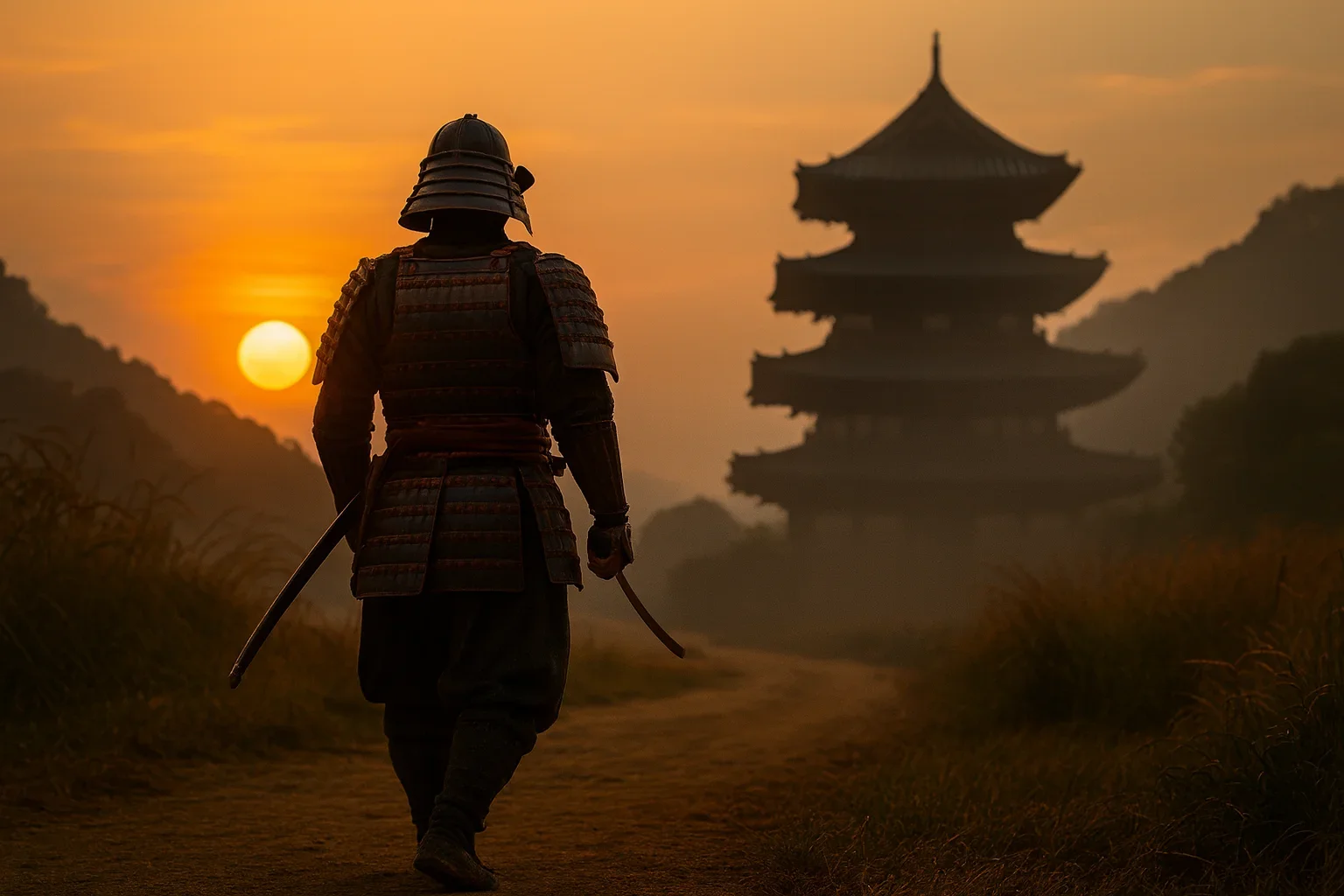
From the soot‑stained streets of Kyoto to the hallowed halls of Edo, the path of a samurai is as storied as the katana itself. The samurai’s journey begins in childhood, with a strict regimen of physical training, moral instruction, and a relentless dedication to the samurai code known as bushido. As they grow, the young warrior learns the nuanced art of strategy, swordsmanship, and archery, all under the watchful guidance of a seasoned sensei. Their daily life intertwines duty, discipline, and the pursuit of perfection, forming the bedrock of what would later define them as a master. In this exploration, we trace each transformative phase, revealing how youth, ambition, and faith in tradition merge to produce a samurai of legendary stature.
Early Foundations: Physical and Moral Training
The first stage in a young samurai’s life involves rigorous physical conditioning that mirrors the relentless nature of the battlefield. By the age of seven or eight, boys are enrolled in a dojo or training ground where they practice basic stances, footwork, and the use of wooden swords—known as bokken—under the meticulous eye of a sensei. This early phase builds stamina, coordination, and a keen sense of timing that will be essential as combat becomes ever more demanding. Discipline is instilled through daily drills, strict dietary rules, and the constant reminder that the body is a sacred instrument of the soul. Throughout this period, the child also receives lessons in Confucian philosophy, emphasizing respect for elders and responsibility toward one’s lord, forming a moral framework that will anchor all future decisions.
The dojo becomes a crucible where mind and body merge, and the young warriors learn to channel frustration into focused effort. Through mock duels and grappling exercises, they develop a respect for opponents that transcends mere competition. Each practice session serves not only to refine technique but also to nurture the virtues of courage, loyalty, and humility—pillars of the bushido system. Simultaneously, teachers introduce basic principles of geometry and physics to explain why certain angles and strikes yield maximum effect, giving the apprentice a scientific understanding of martial arts.
These apprenticeship practices reflect the content of historical records, which show that families often entered boys into sword‑training schools in the early years to secure their future in the rigid feudal hierarchy. The training curriculum evolved over time, integrating archery and later, the rudiments of siege warfare, all while maintaining the core focus on body mastery and ethical conduct.(Wikipedia)
Bushido and the Philosophical Core of a Samurai
Once the fundamentals are mastered, a true samurai must turn inward to study bushido, the “way of the warrior” that codified the moral framework governing samurai conduct. Bushido, itself a living document, evolved through periods of conflict and peace, always stressing loyalty, rectitude, and the cultivation of self‑discipline. It is a dynamic philosophy that adapts to changing circumstances while retaining an unwavering commitment to personal integrity and social responsibility.
The philosophical curriculum involved readings of classical texts such as the Kojiki and Heian era court chronicles, alongside practical training in jūjutsu and ninjutsu, which required a deeper understanding of the spirit and mind. Samurai were expected to balance the aggression necessary in combat with the humility required in everyday interactions, learning that true strength lies in restraint as much as in force.
Historical scholars trace the origins of bushido to the late 12th century, and recent studies confirm its emphasis on self‑control and community service.(Wikipedia)
Ascending the Ranks: From Page to Lord’s Retainer
Following adolescence, the most capable samurai entered the next tier of the feudal system, earning the title of page or sekisho—an unpaid but highly respected role that required both administrative acumen and battlefield readiness. These young men served under a daimyō, forging alliances that would eventually grant them land and titles. Their responsibilities expanded to include drafting dispatches, organizing logistics, and overseeing the local militia, all while maintaining an impeccable personal ethos.
Their training extended to include cavalry tactics, siege engineering, and the intricate etiquette of the kyōshitsu (ink ceremony) that demonstrated humility and precision. Each mission was a lesson in leadership, as the samurai learned to command forces of 100 or more with minimal resources and under constant threat. They practiced strategy on paper—studying the Heike Monogatari—and then applied those principles in real combat scenarios, often improvising creative solutions when conventional tactics faltered.
The period also saw the rise of the Tokugawa shogunate—a feudal government that would cement the samurai’s status as an elite warrior caste. The shogunate’s policies required the samurai to maintain strict loyalty, and the reward system gave them stipends that tied them to the land and the lord’s directives.(Wikipedia)
Mastery on the Battlefield: The Art of Strategy and Leadership
With experience came the transition from follower to commander. Mastery of strategy—whether in castle sieges or open field battles—was cultivated by studying the chronicles of Heike Monogatari, the Shūchū Nitta, and the classic treatise Haidarō‑senpū. These texts offered timeless insights into timing, terrain, and morale, serving as living manuals for generations.
A master samurai wielded not only a famed sword but also a keen mind for timing, terrain, and the spirits of those they commanded. Their leadership style emphasized the welfare of their men, echoing the bushido principle that a warrior’s courage is only true if shared with others. They practiced the “doctrine of the empty mind,” learning to remain calm amid chaos so that split‑second decisions could be made with clarity.
As masters, these warriors also took on mentorship roles, passing on the legacy of martial arts and philosophy to the next generation. Their guidance often extended beyond the battlefield, fostering arts such as calligraphy and poetry, which were seen as integral to a well‑rounded samurai. They organized study circles where young retainers would recite haiku, thereby integrating mindfulness into daily training.
The ultimate sign of mastery was the shōgō— a name bestowed by a higher‑ranking lord that reflected the samurai’s character and deeds. Achieving a respected shōgō was a public testament to one’s unwavering commitment to the samurai creed, elevating the warrior’s status within both his household and the wider clan.
Legacy and Transformation: From Feudal Hero to Cultural Icon
The end of the 19th‑century Meiji Restoration saw the dissolution of the samurai class as Japan modernized. However, the ethos of the samurai persisted, influencing Japanese corporate culture, martial arts, and global perceptions of honor and discipline. The samurai spirit is still alive in the code of Japanese business leaders, who model their decision‑making on the principles of resolve and integrity.
Modern narratives—on film, literature, and digital media—often romanticize samurai, yet scholarly analysis reveals the nuanced reality of a warrior class bound to societal shifts and technological advancements. Contemporary research highlights how samurai values evolved to accommodate new firearms and naval warfare while preserving core ethical standards.(Encyclopedia.com)
In contemporary Japan, samurai heritage is celebrated in festivals, museums, and through educational programs that teach the arts of kenjutsu and shurikenjutsu. These practices honor the tradition while adapting to modern sensibilities; for instance, many dojos now incorporate psychological resilience training to complement physical drills.
Moreover, the samurai spirit continues to inspire individuals worldwide, who cite its values of integrity, resilience, and continuous self‑improvement in contexts ranging from business leadership to personal development programs. Whether through the disciplined study of a sword or the ethical frameworks taught in leadership seminars, the samurai legacy transcends time and geography.
Conclusion: Embracing the Samurai Legacy Today
The journey of a samurai—from the disciplined adolescence of the dojo to the pinnacle of battlefield mastery—illustrates a path forged by perseverance, moral fortitude, and an unyielding respect for duty. While the feudal battlegrounds may have faded, the principles that guided these warriors endure, resonating across cultures and generations. Today, those who yearn to embody the samurai spirit can do so through organized martial arts classes, ethical leadership training, and continuous self‑reflection. Embrace the journey, honor the code, and step into the enduring legacy of a samurai—a warrior of the heart and mind, ready to face today’s challenges with the same courage and clarity once reserved for battlefield leaders.