Slow Living in Japan
Slow Living in Japan is more than a trend; it is a deeply rooted philosophy that intertwines with centuries of cultural evolution. From the meticulous preparation of a matcha tea ceremony to the serene pace of rural villages, the Japanese approach to slowing down offers a blueprint for mindful living. In this article, we explore how Slow Living in Japan manifests across history, daily rituals, and modern urban life, and how you can incorporate its principles into your own routine.
Slow Living in Japan: A Historical Lens
Japan’s relationship with time and pace can be traced back to the Heian period (794‑1185), when court life emphasized aesthetic refinement and deliberate action. The concept of wabi‑sabi, which celebrates imperfection and transience, emerged during the Muromachi period (1336‑1573) and became a cornerstone of Japanese art and design. These early philosophies laid the groundwork for what contemporary scholars now call Slow Living in Japan. The movement is not a modern import but a natural extension of centuries of cultural values that prioritize quality over quantity, presence over productivity.
Mindful Practices: Tea Ceremonies and Wabi‑Sabi
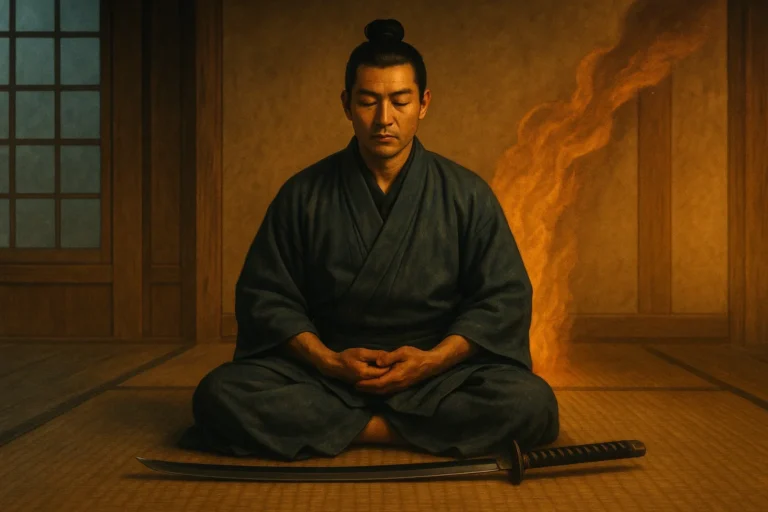
One of the most iconic expressions of Slow Living in Japan is the tea ceremony, or chanoyu. The ceremony is a choreographed ritual that turns the act of preparing and drinking tea into a meditative experience. Each movement is deliberate, each utensil chosen for its subtle beauty, and each participant is encouraged to be fully present. The tea room itself, often a small, dimly lit space, embodies the principles of wabi‑sabi: simplicity, natural materials, and an appreciation for the passage of time.
Beyond tea, the practice of shibui—a refined, understated elegance—encourages individuals to find beauty in the ordinary. This mindset aligns closely with the Slow Living ethos, which values depth over breadth. By focusing on the small details of daily life, such as the texture of a hand‑woven kimono or the aroma of freshly ground rice, Japanese culture invites us to slow down and savor the moment.
Urban Slow Living: Tokyo’s Quiet Corners
While rural Japan is often associated with Slow Living, the bustling metropolis of Tokyo also offers pockets of tranquility. Neighborhoods like Yanaka and Kagurazaka preserve old streets, narrow alleys, and traditional shops that contrast sharply with the city’s high‑speed environment. Here, residents and visitors alike can experience a slower rhythm: walking at a leisurely pace, stopping to admire a centuries‑old temple, or sipping coffee in a tiny café that serves only a handful of customers each day.
Tokyo’s public transportation system, renowned for its punctuality, also reflects a form of Slow Living. Trains arrive on time, allowing commuters to plan their day with precision and avoid the frantic rush that often accompanies urban life. This reliability creates a subtle sense of calm, enabling people to engage more fully with their surroundings rather than merely moving through them.
Integrating Slow Living into Daily Life
Adopting Slow Living in Japan is not limited to grand rituals; it can be woven into everyday habits. Below is a practical list of five ways to incorporate the philosophy into your routine:
- Morning Mindfulness: Start your day with a brief meditation or a simple breathing exercise, mirroring the calm that precedes a tea ceremony.
- Digital Detox: Allocate a specific time each day to disconnect from screens, allowing yourself to engage with the physical world.
- Seasonal Eating: Choose locally sourced, seasonal ingredients for your meals, echoing the Japanese emphasis on harmony with nature.
- Slow Travel: When exploring new places, take your time to observe details—architecture, street art, local conversations—rather than rushing through a checklist.
- Reflective Journaling: End your day by writing down moments of gratitude or insights gained, fostering a habit of reflection.
These practices, inspired by Japanese traditions, help cultivate a slower, more intentional lifestyle. By integrating them gradually, you can experience the benefits of reduced stress, increased creativity, and deeper connections with others.
Why Slow Living Matters in a Fast‑Paced World
Modern society often equates success with speed and efficiency. However, research from institutions such as the University of Tokyo shows that chronic stress and burnout are on the rise, especially in high‑pressure environments. Slow Living in Japan offers a counterbalance, emphasizing mental well‑being, community, and environmental stewardship. By slowing down, individuals can improve focus, enhance relationships, and contribute to a more sustainable future.
Moreover, the Japanese concept of ikigai—a reason for being—aligns with Slow Living’s focus on purpose over productivity. When people align their daily actions with their core values, they experience greater fulfillment and resilience.
Conclusion: Embrace Slow Living in Japan Today
Slow Living in Japan is a timeless practice that invites us to pause, reflect, and appreciate the present moment. Whether you’re sipping matcha in a quiet tea room, strolling through a historic district, or simply taking a mindful breath, the principles of this philosophy can enrich your life in profound ways. By adopting even a few of the practices outlined above, you can begin to weave the art of slowing down into your everyday routine.
Ready to transform your life? Start your Slow Living journey in Japan today—discover the peace that comes from living intentionally and mindfully.
For more insights into Japanese culture and Slow Living, explore these authoritative resources:
- Slow Living – Wikipedia
- Wabi‑Sabi – Wikipedia
- Japan National Tourism Organization
- Japanese Ministry of Education
Frequently Asked Questions
Q1. What is Slow Living in Japan?
Slow Living in Japan is a holistic approach that emphasizes quality over quantity, presence over productivity, and harmony with nature. It draws from centuries of cultural practices such as the tea ceremony, wabi‑sabi aesthetics, and the concept of ikigai. Rather than a fleeting trend, it is a deeply rooted philosophy that encourages mindful living in everyday life.
Q2. How does wabi‑sabi relate to Slow Living?
Wabi‑sabi celebrates imperfection, transience, and simplicity—core values that underpin Slow Living. By appreciating the beauty in the ordinary and the passage of time, wabi‑sabi teaches us to slow down, observe, and find contentment in modest surroundings. This mindset aligns with the Slow Living ethos of depth over breadth.
Q3. Can I practice Slow Living in a busy city like Tokyo?
Yes, Tokyo offers quiet corners such as Yanaka and Kagurazaka where traditional streets and small cafés provide a slower rhythm. The city’s punctual public transport system also supports a calm pace, allowing commuters to plan and engage fully with their surroundings. Even in a bustling metropolis, mindful habits can be woven into daily routines.
Q4. What are some everyday habits to adopt for Slow Living?
Start with morning mindfulness, a brief meditation or breathing exercise. Allocate a daily digital detox period, choose seasonal local foods, practice slow travel by observing details, and end the day with reflective journaling. These simple actions help cultivate intentionality and reduce stress.
Q5. How does Slow Living benefit mental health?
Research shows that slowing down reduces chronic stress and burnout, especially in high‑pressure environments. By focusing on presence, community, and purpose, Slow Living enhances focus, creativity, and emotional resilience. It also fosters deeper connections with others and promotes overall well‑being.