Samurai Watchtowers Architectural Intelligence
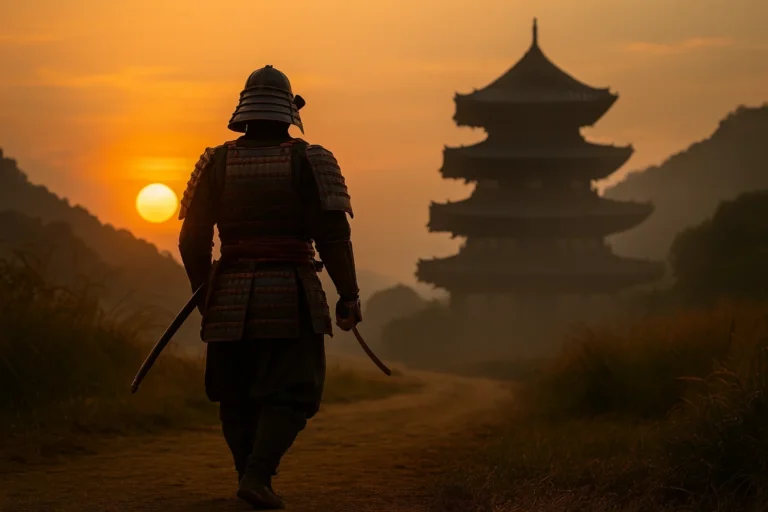
Samurai watchtowers, or torii and yagura structures, are more than mere relics of feudal Japan; they embody a sophisticated blend of military strategy, architectural ingenuity, and cultural symbolism. These elevated sentinels, scattered across the Japanese landscape, served as early warning systems, command posts, and visual markers of power. Understanding their design reveals how the samurai class leveraged architecture to maintain control over vast territories while preserving a distinct aesthetic that continues to inspire modern architects and historians alike.
Samurai Watchtowers: Historical Context
During the Kamakura (1185–1333) and Muromachi (1336–1573) periods, Japan was fragmented into competing feudal domains. The samurai, as the warrior aristocracy, required reliable surveillance to detect approaching enemies, monitor trade routes, and assert dominance over rival clans. Watchtowers were strategically positioned on hilltops, riverbanks, and castle walls, providing panoramic views of the surrounding terrain. Their placement was guided by principles of terrain analysis and line-of-sight—concepts that modern military engineers still study.
Samurai Watchtowers: Strategic Placement
Strategic placement was the first layer of architectural intelligence. Samurai commanders selected sites that maximized visibility while minimizing vulnerability. Key criteria included:
- Elevation: Higher ground offered unobstructed sightlines and natural defense.
- Proximity to waterways: Rivers served as both transportation routes and natural barriers.
- Visibility to allies: Towers were often aligned to communicate via smoke or fire signals.
- Integration with existing fortifications: Many watchtowers were extensions of castle walls or moats.
These considerations ensured that each watchtower functioned as a node in a broader defensive network, allowing rapid dissemination of information across a domain.
Samurai Watchtowers: Structural Design
Architectural intelligence extended beyond placement to the towers’ internal layout. Typical designs featured a multi‑storey wooden frame, a steeply pitched roof, and a central observation platform. The roof’s curvature was not merely decorative; it deflected rainwater and reduced wind load, enhancing structural stability during typhoons. The central platform, often accessed by a narrow spiral staircase, provided a 360‑degree view and a secure position for archers or signalers.
In addition, many towers incorporated a tenshu (main keep) style, with a reinforced core of yagura (turret) walls. This design allowed the tower to withstand battering from siege engines while maintaining a clear line of sight. The use of interlocking wooden joints—known as tsugite—eliminated the need for metal fasteners, reducing weight and allowing the structure to flex during earthquakes.
Samurai Watchtowers: Materials and Construction Techniques
Japanese timber construction techniques were pivotal to the resilience of watchtowers. The samurai favored Hinoki (Japanese cypress) for its natural resistance to rot and insects. The timber was seasoned for months, then assembled using a system of mortise and tenon joints that could be disassembled for maintenance or relocation.
Stone foundations were typically laid in a stepped pattern, distributing weight and preventing soil erosion. The stones were often sourced locally, reducing transportation costs and ensuring that the tower blended seamlessly with its environment. This local sourcing also fostered a sense of ownership among the surrounding populace, reinforcing the samurai’s legitimacy.
Samurai Watchtowers: Cultural Significance
Beyond their military function, watchtowers were cultural symbols. They represented the samurai’s vigilance, honor, and connection to the natural world. The towers’ aesthetic—characterized by clean lines, minimal ornamentation, and harmonious proportions—mirrored the samurai code of Bushido, which prized simplicity and discipline.
In contemporary Japan, many watchtowers have been preserved as UNESCO World Heritage sites, such as the Himeji Castle and the Matsumoto Castle. These sites offer insight into the architectural intelligence that underpinned feudal Japan’s defensive strategies.
Samurai Watchtowers: Modern Preservation Efforts
Today, preservationists employ advanced techniques to restore and maintain these historic structures. Non‑invasive imaging, such as ground‑penetrating radar, helps identify hidden structural weaknesses. Conservationists also use traditional carpentry methods, ensuring that repairs remain faithful to the original design.
Educational programs run by the Japanese Ministry of Culture and the National Institute for Cultural Heritage train new generations of craftsmen in these techniques, preserving the intangible heritage associated with Samurai watchtowers.
Conclusion: Embracing Architectural Intelligence
Samurai watchtowers exemplify how architecture can serve as a strategic tool, a cultural statement, and a technological marvel. Their enduring legacy teaches us that thoughtful design—grounded in environmental awareness, material science, and cultural values—can create structures that stand the test of time. Whether you’re an architect, historian, or simply a curious traveler, exploring these towers offers a window into Japan’s rich past and its timeless principles of architectural intelligence.
Discover more about Samurai watchtowers and their influence on modern design by visiting the Samurai Wikipedia page and the Japanese Castles Wikipedia page. Join our newsletter for exclusive insights into heritage preservation and architectural innovation.
“}
Frequently Asked Questions
Q1. What was the primary purpose of Samurai watchtowers?
Samurai watchtowers served as early warning systems, command posts, and visual markers of power, allowing commanders to monitor enemy movements and control trade routes.
Q2. How were watchtowers strategically placed?
They were positioned on elevated ground, near waterways, and aligned with allies for signal communication, integrating with existing fortifications to form a defensive network.
Q3. What architectural features made them resilient?
Multi‑storey wooden frames, steeply pitched roofs, interlocking tsugite joints, and Hinoki timber construction provided stability against weather and earthquakes.
Q4. Why are Samurai watchtowers culturally significant?
They embody the samurai code of Bushido, reflecting simplicity, discipline, and harmony with nature, and today they symbolize Japan’s heritage and architectural ingenuity.
Q5. How are these structures preserved today?
Modern preservation uses non‑invasive imaging, traditional carpentry, and educational programs by the Ministry of Culture and the National Institute for Cultural Heritage to maintain authenticity.