Samurai Shaped Early Japanese Architecture
Samurai, the warrior class that dominated feudal Japan, left an indelible mark on the country’s built environment. Their emphasis on defense, hierarchy, and aesthetic restraint guided the evolution of early Japanese architecture from simple wooden huts to formidable castles and fortified residences. By examining the strategic, cultural, and technological influences of the samurai, we can trace how their values forged a distinct architectural legacy that still resonates in Japan’s historic sites today.
Strategic Foundations: Defensive Architecture and the Samurai Mindset
In the turbulent era of the Heian and Kamakura periods, the samurai’s primary concern was survival on the battlefield. This urgency translated into architectural features that prioritized protection and rapid mobilization. Castles—known as shiro—were designed with layered defenses: moats, stone walls, and concentric baileys that forced attackers into narrow, exposed corridors. The samurai’s preference for verticality is evident in the towering tenshu (main keep), which served both as a last line of defense and a symbol of feudal authority.
These defensive principles also influenced the layout of samurai residences, or buke yashiki. The houses were often positioned on elevated ground, surrounded by a kuruwa (courtyard) that could be quickly sealed. The use of sliding doors (fusuma) and movable partitions allowed occupants to reconfigure spaces for security or ceremony, reflecting the samurai’s dual need for martial readiness and social order.
Hierarchical Aesthetics: Symbolism in Spatial Organization
Samurai culture was steeped in a rigid social hierarchy, and architecture mirrored this structure. The most privileged spaces—such as the samurai’s private chambers and the lord’s audience hall—were placed at the center of the complex, while commoners’ areas occupied the periphery. This spatial arrangement reinforced the samurai’s status and the feudal system’s legitimacy.
Architectural ornamentation also conveyed rank. The use of kashira (decorative roof ridges) and intricate shoji screens distinguished elite dwellings from those of lower classes. The samurai’s taste for simplicity and restraint—embodied in the wabi-sabi aesthetic—led to the adoption of clean lines, natural materials, and understated elegance, which remain hallmarks of traditional Japanese design.
Technological Innovations: Wood, Iron, and the Samurai’s Craftsmanship
Samurai engineers pioneered several construction techniques that enhanced both durability and defensibility. The tsukimi (earthquake-resistant) joinery system, which uses interlocking wooden joints without nails, allowed structures to flex during seismic events—a critical feature in Japan’s earthquake-prone landscape. Samurai carpenters also experimented with kōhō (iron reinforcement) to strengthen walls and gates, marrying traditional craftsmanship with emerging metallurgy.
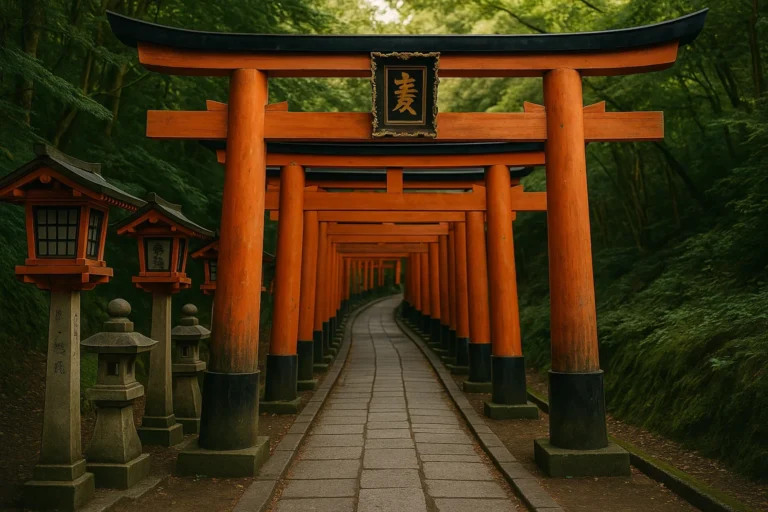
These innovations were not limited to castles. The samurai’s influence extended to the design of temple gates and shrine torii, where robust stone foundations and reinforced wooden beams ensured longevity. The integration of functional and symbolic elements—such as the use of tōrō (stone lanterns) to illuminate defensive perimeters—demonstrates the samurai’s holistic approach to architecture.
Legacy and Preservation: From Feudal Strongholds to Modern Heritage
Today, many samurai-built castles and residences are UNESCO World Heritage Sites, offering tangible links to Japan’s feudal past. The Himeji Castle, for example, showcases the pinnacle of samurai defensive architecture with its complex network of walls, gates, and water defenses. Similarly, the Kenrokuen Garden in Kanazawa reflects the samurai’s appreciation for harmony between built spaces and nature.
Preservation efforts rely on meticulous restoration techniques that honor original construction methods while incorporating modern safety standards. By studying samurai architecture, contemporary architects gain insights into sustainable design, seismic resilience, and the integration of cultural symbolism—principles that remain relevant in today’s global architectural discourse.
Key Architectural Features Influenced by Samurai
- Layered moats and stone walls for defense
- Elevated keep (tenshu) as a status symbol
- Sliding doors (fusuma) for flexible space management
- Earthquake-resistant joinery (tsukimi)
- Iron reinforcement (kōhō) in structural elements
- Symbolic spatial hierarchy within complexes
Conclusion: Embracing Samurai Wisdom in Contemporary Design
Samurai culture did more than shape Japan’s military history; it forged an architectural language that balances function, symbolism, and resilience. By studying these early structures, architects and designers can draw lessons on adaptive reuse, seismic engineering, and the power of spatial storytelling. Whether you’re restoring a historic castle or designing a modern civic building, the samurai’s legacy offers a blueprint for creating spaces that honor tradition while meeting contemporary needs.
Ready to explore Japan’s architectural heritage? Visit the Japanese Castles Guide and discover how samurai ingenuity continues to inspire the built environment.
For deeper insights into feudal Japan’s architectural innovations, check out the Britannica entry on Japanese architecture and the UNESCO World Heritage listings. If you’re interested in the technical aspects of traditional joinery, the Japanese Craft Association’s woodworking resources provide detailed tutorials.
Finally, for a scholarly perspective on samurai influence, the Journal of Asian Studies offers peer-reviewed articles on the intersection of martial culture and architecture.
Frequently Asked Questions
Q1. What role did samurai play in early Japanese architecture?
Samurai were the driving force behind the evolution of Japanese architecture, prioritizing defensive features, spatial hierarchy, and aesthetic restraint. Their need for protection on the battlefield led to the development of fortified castles, moats, and layered walls. At the same time, they introduced flexible interior layouts with sliding doors and movable partitions to accommodate both martial readiness and ceremonial functions.
Q2. How did samurai influence castle design?
Samurai castles, or shiro, were engineered with concentric baileys, stone walls, and moats to slow attackers and funnel them into narrow corridors. The towering tenshu, or main keep, served as both a last line of defense and a symbol of feudal authority. These structures combined practicality with symbolic grandeur, reflecting the samurai’s status and strategic mindset.
Q3. What architectural features reflect samurai hierarchy?
Spatial organization in samurai residences placed privileged areas—such as private chambers and audience halls—at the center, while commoner spaces occupied the periphery. Decorative elements like kashira roof ridges and intricate shoji screens further distinguished elite dwellings. The overall design reinforced the rigid social hierarchy and the legitimacy of feudal rule.
Q4. What construction techniques did samurai develop?
Samurai carpenters pioneered earthquake‑resistant tsukimi joinery, allowing wooden structures to flex during seismic events. They also incorporated iron reinforcement (kōhō) into walls and gates, marrying traditional craftsmanship with emerging metallurgy. These innovations extended beyond castles to temple gates and shrine torii, ensuring durability and resilience.
Q5. How are samurai-built structures preserved today?
Many samurai castles and residences are now UNESCO World Heritage Sites, protected through meticulous restoration that honors original construction methods while meeting modern safety standards. Preservation efforts focus on maintaining authentic joinery, stonework, and spatial layouts. Studying these sites offers contemporary architects insights into sustainable design, seismic resilience, and cultural symbolism.