Samurai Preserve Ancient Japanese Music
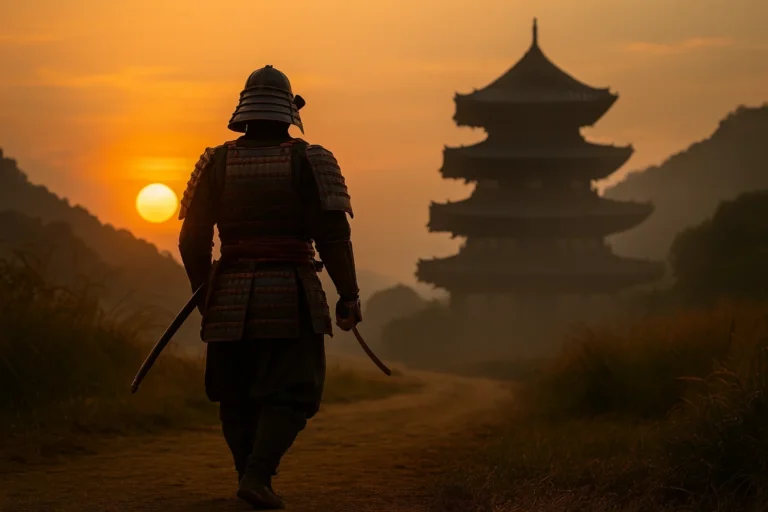
For centuries, the samurai were not only warriors but also custodians of Japan’s cultural heritage. Their disciplined lives and reverence for tradition made them natural guardians of ancient Japanese music, ensuring that melodies, instruments, and performance practices survived the upheavals of war and modernization. In this article, we explore how samurai preserved ancient Japanese music, the instruments they championed, and the lasting impact on contemporary Japanese culture.
Samurai’s Role in Preserving Ancient Japanese Music
Samurai were deeply intertwined with the imperial court and the aristocracy, both of which were the primary patrons of court music (gagaku). During the Heian period (794–1185), samurai families often served as musicians or administrators of music halls. Their rigorous training in martial arts and etiquette translated into a meticulous approach to music, where precision and respect for tradition were paramount. By maintaining strict performance standards and recording musical scores, samurai helped preserve the integrity of ancient compositions that might otherwise have been lost.
Samurai Music Traditions and Instruments
Samurai musicians specialized in a range of traditional instruments that were central to court and folk music alike. Some of the key instruments they championed include:
- Shō – a mouth organ with 17 bamboo pipes, used in gagaku ensembles.
- Biwa – a short-necked lute that samurai used for storytelling and accompaniment.
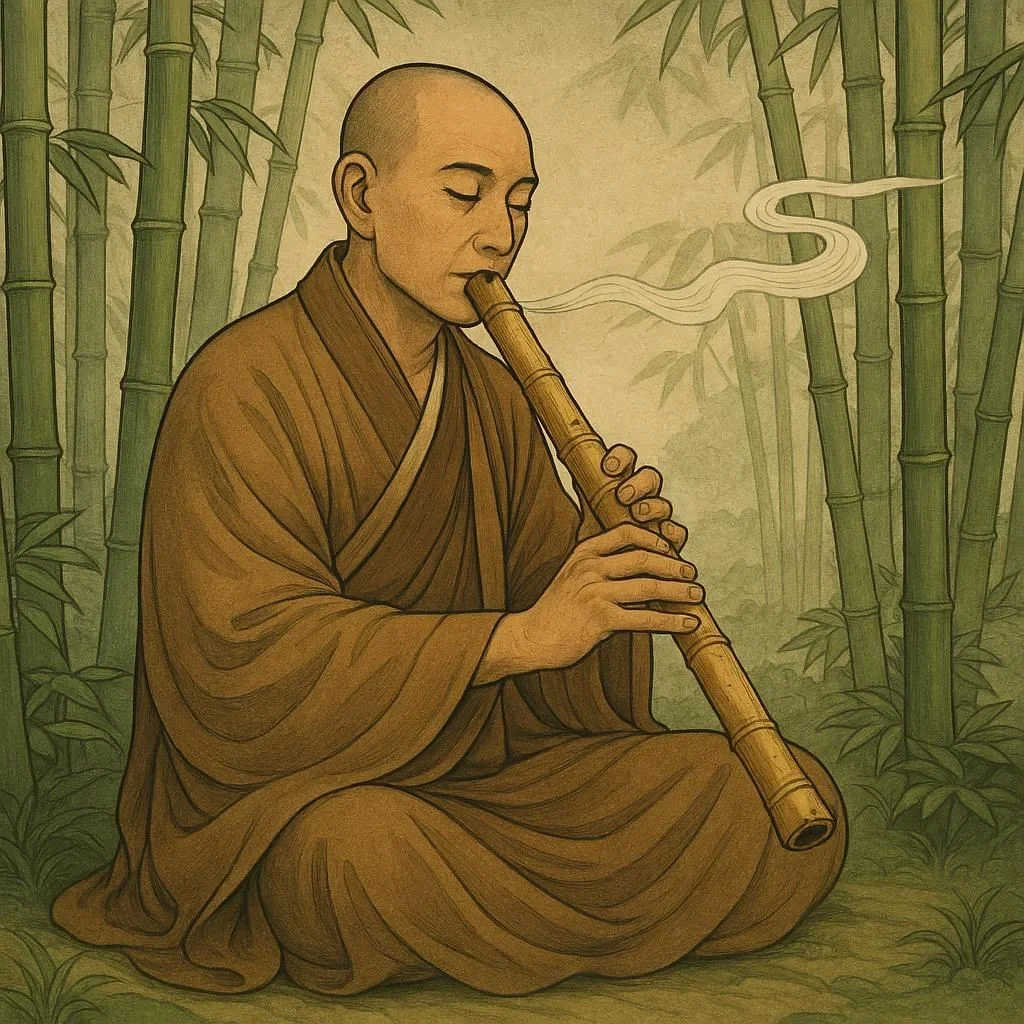
- Shakuhachi – a bamboo flute prized for its meditative sound, often played by samurai monks.
- Koto – a 13-string zither that provided harmonic support in court performances.
- Taiko – large drums that were integral to martial ceremonies and festivals.
These instruments were not merely musical tools; they were symbols of status and cultural identity. Samurai families often passed down instrument collections through generations, ensuring that the craftsmanship and playing techniques remained intact.
Samurai Patronage of Court Music
During the Kamakura (1185–1333) and Muromachi (1336–1573) periods, samurai clans such as the Minamoto and Ashikaga became prominent patrons of gagaku. They funded the construction of music halls, commissioned new compositions, and organized seasonal festivals that showcased ancient melodies. By integrating music into their courtly rituals, samurai reinforced the social hierarchy and the continuity of cultural practices.
One notable example is the Gagaku Kōshō, a collection of court music that samurai scholars meticulously transcribed in the 15th century. These manuscripts, preserved in temple archives, provide modern researchers with invaluable insights into the performance conventions of the time.
Samurai Influence on Modern Japanese Music
Even after the Meiji Restoration (1868), which abolished the samurai class, the legacy of their musical stewardship persisted. Many modern Japanese musicians trace their lineage back to samurai families, and contemporary ensembles often perform pieces that were once exclusive to samurai courts. The discipline and reverence for tradition that samurai instilled continue to shape Japan’s approach to music education and performance.
Today, festivals such as the Tokyo Gagaku Festival celebrate these ancient traditions, drawing audiences worldwide. The continued use of samurai-era instruments and notation systems in modern compositions underscores the enduring influence of samurai culture on Japan’s musical landscape.
Conclusion: A Legacy That Resonates Today
Samurai were more than warriors; they were the guardians of Japan’s sonic heritage. By preserving ancient music, championing traditional instruments, and patronizing court performances, they ensured that the melodies of the past continue to echo in contemporary Japan. Their legacy reminds us that cultural preservation requires dedication, respect, and a deep connection to history.
Discover the rich tapestry of Japanese music and explore how samurai shaped its evolution. Join our community of music enthusiasts and dive deeper into the world of ancient Japanese melodies today!
For more information on samurai history and Japanese music, visit these authoritative resources: