Samurai Music Traditions Explained
Samurai Music has long fascinated scholars and enthusiasts alike, offering a window into the disciplined spirit and cultural depth of Japan’s legendary warriors. From the thunderous beats of samurai drums to the haunting melodies of flutes and the rhythmic chants that guided battle formations, these musical traditions were more than mere entertainment—they were integral to training, morale, and the symbolic identity of the samurai class.
1. The Resonant Pulse of Samurai Drums
Drums were the heartbeat of samurai camps. The most iconic among them is the taiko, a large barrel drum that could be played with sticks or hands. In the context of samurai warfare, the drum’s deep, resonant sound served multiple purposes: it marked the start of a march, signaled tactical changes, and unified the ranks through a shared rhythmic pulse. The rhythmic patterns were often simple yet powerful, designed to be easily remembered and replicated by soldiers in the heat of battle.
Historical records from the Kamakura period describe how samurai used drums to coordinate movements during sieges and open-field engagements. The drum’s vibrations were believed to carry spiritual energy, reinforcing the samurai’s resolve and invoking the presence of ancestral spirits. This belief is reflected in the meticulous construction of the drum’s shell, which was traditionally made from a single piece of hardwood and covered with animal hide to produce a rich, resonant tone.
2. The Ethereal Voice of Samurai Flutes
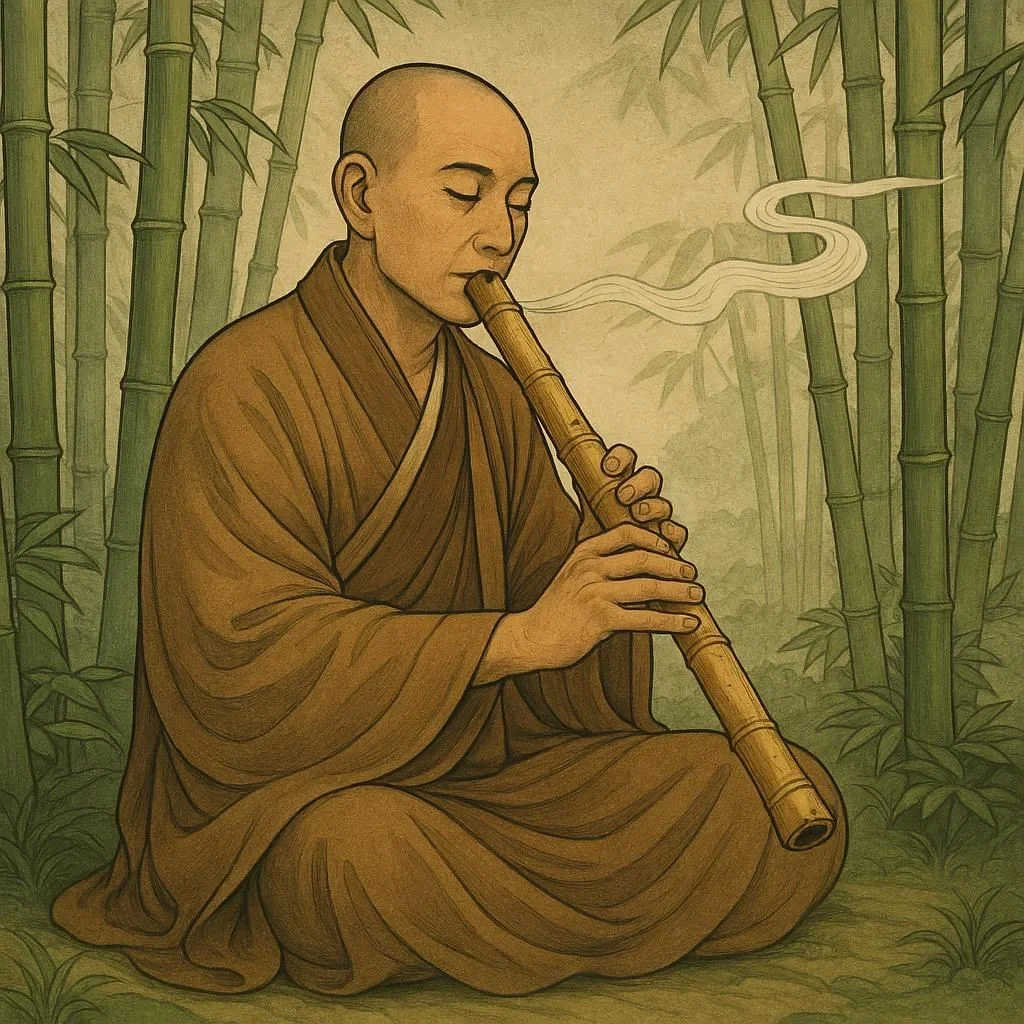
While drums commanded attention on the battlefield, the shakuhachi flute offered a contrasting, contemplative sound. The shakuhachi, a bamboo flute with a distinctive breathy timbre, was often used by samurai monks and warriors during meditation and training. Its music was believed to calm the mind, sharpen focus, and cultivate the inner discipline essential for the samurai way of life.
During the Edo period, samurai began to incorporate the shakuhachi into formal court music, blending martial vigor with refined artistry. The flute’s melodic lines were structured around traditional Japanese scales, such as the yo and in modes, which evoke a sense of solemnity and reverence. The shakuhachi’s portability also made it a practical instrument for traveling samurai, allowing them to carry a piece of cultural heritage wherever they went.
3. The Power of Samurai Chants
Chants, or kōhō, were integral to samurai rituals and training. These rhythmic vocalizations were performed in unison, reinforcing group cohesion and instilling a sense of shared purpose. The chants often incorporated call-and-response patterns, with a leader’s voice guiding the group through a series of commands or moral exhortations.
One of the most famous chant traditions is the “Shōgun’s Chant,” a series of verses that emphasized loyalty, courage, and the impermanence of life. These chants were recited before battles, during sieges, and in moments of reflection, serving as both a psychological anchor and a moral compass for the samurai.
4. The Interplay of Instruments in Samurai Ceremonies
Samurai ceremonies often featured a harmonious blend of drums, flutes, and chants, creating a multi-sensory experience that reinforced the warrior’s ethos. For example, during the taiko and shakuhachi ensemble performances at the annual Shogun’s Festival, the rhythmic drum patterns would set the tempo, while the flute’s melodic lines added emotional depth. The accompanying chants would then weave through the music, guiding the audience through a narrative of valor and sacrifice.
These performances were not merely artistic displays; they were also training tools. By practicing the ensemble, samurai honed their timing, coordination, and collective memory—skills that translated directly to battlefield effectiveness. The integration of music into daily life exemplified the samurai’s belief that art and martial prowess were inseparable.
Key Takeaways
- Samurai drums (taiko) were essential for battlefield coordination and spiritual reinforcement.
- The shakuhachi flute provided a meditative counterpoint, fostering mental discipline.
- Samurai chants served as moral and psychological anchors during training and combat.
- Combined, these musical elements created a holistic training environment that blended art, spirituality, and warfare.
5. Modern Revival of Samurai Musical Heritage
Today, scholars and musicians are working to preserve and revive samurai musical traditions. Contemporary ensembles often perform historical pieces using authentic instruments, while academic research continues to uncover new insights into the role of music in samurai culture. These efforts ensure that the legacy of samurai music—its drums, flutes, and chants—remains alive for future generations.
For those interested in exploring this rich heritage, consider visiting museums that feature samurai artifacts, attending live performances of traditional Japanese music, or studying the historical texts that document these practices. By engaging with these resources, you can gain a deeper appreciation for how music shaped the samurai’s identity and contributed to Japan’s cultural tapestry.
Conclusion: Embrace the Spirit of Samurai Music
Samurai Music Traditions—drums, flutes, and chants—offer a profound insight into the disciplined, artistic, and spiritual life of Japan’s warrior class. By studying these traditions, we not only honor a pivotal era in history but also discover timeless lessons about unity, focus, and the power of sound to shape human experience.
Ready to dive deeper into the world of samurai music? Explore our curated collection of samurai drum recordings, shakuhachi tutorials, and chant workshops today!
For more authoritative information, visit these resources:
- Taiko – Wikipedia
- Shakuhachi – Wikipedia
- Japanese Traditional Music – Japan Guide
- Japanese Music – Britannica
Frequently Asked Questions
Q1. What instruments were central to Samurai music?
The core instruments were the taiko drum, the shakuhachi bamboo flute, and vocal chants (kōhō). These were used in training, ceremonies, and battle to coordinate movements, calm the mind, and reinforce morale.
Q2. How did drums influence Samurai tactics?
Taiko drums provided rhythmic cues for marching, signaling tactical changes, and unifying soldiers. Their deep resonance was believed to carry spiritual energy, boosting resolve and invoking ancestral spirits.
Q3. What role did the shakuhachi play in Samurai life?
The shakuhachi was used for meditation, sharpening focus, and cultivating inner discipline. Its portable nature allowed warriors to carry a piece of cultural heritage while traveling.
Q4. Were chants used only before battles?
No, chants were recited during training, sieges, and moments of reflection. They served as moral anchors, reinforcing loyalty, courage, and the impermanence of life.
Q5. How is Samurai music preserved today?
Contemporary ensembles perform authentic pieces, scholars research historical texts, and museums exhibit artifacts. Live performances and tutorials help keep the legacy alive for future generations.