Samurai Celebrate Seasonal Harvests
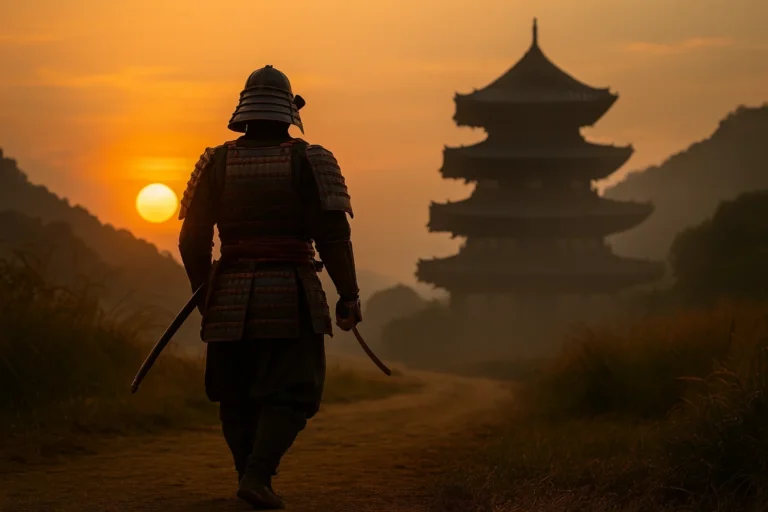
In the heart of Japan’s feudal era, the samurai were not only warriors but also custodians of the land’s bounty. Their reverence for the seasonal cycles manifested in elaborate celebrations that honored the harvests of rice, vegetables, and fruit. These rituals, steeped in tradition, reflected a deep connection between the samurai’s duty, the agrarian economy, and the spiritual harmony of nature. Understanding how samurai celebrated seasonal harvests offers insight into the cultural fabric that shaped Japan’s history and continues to influence modern festivals.
The Cultural Significance of Harvest Seasons
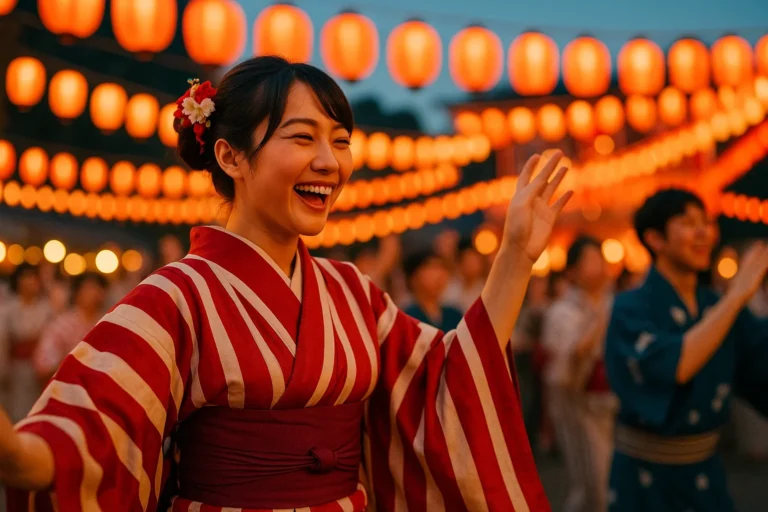
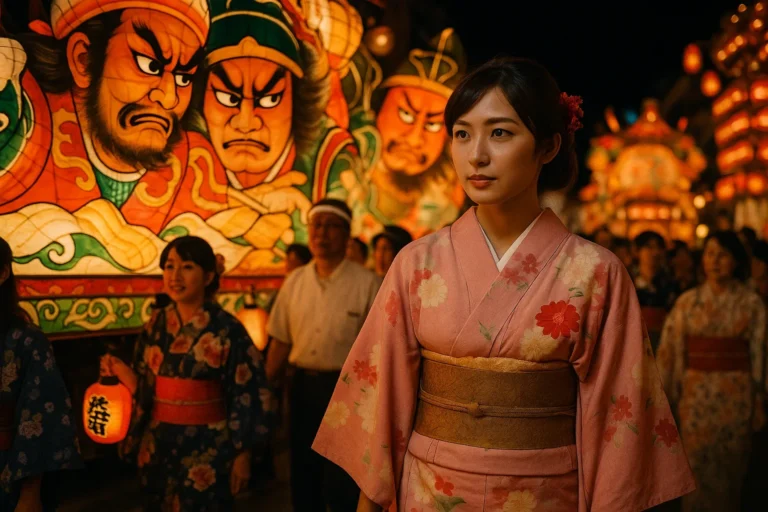
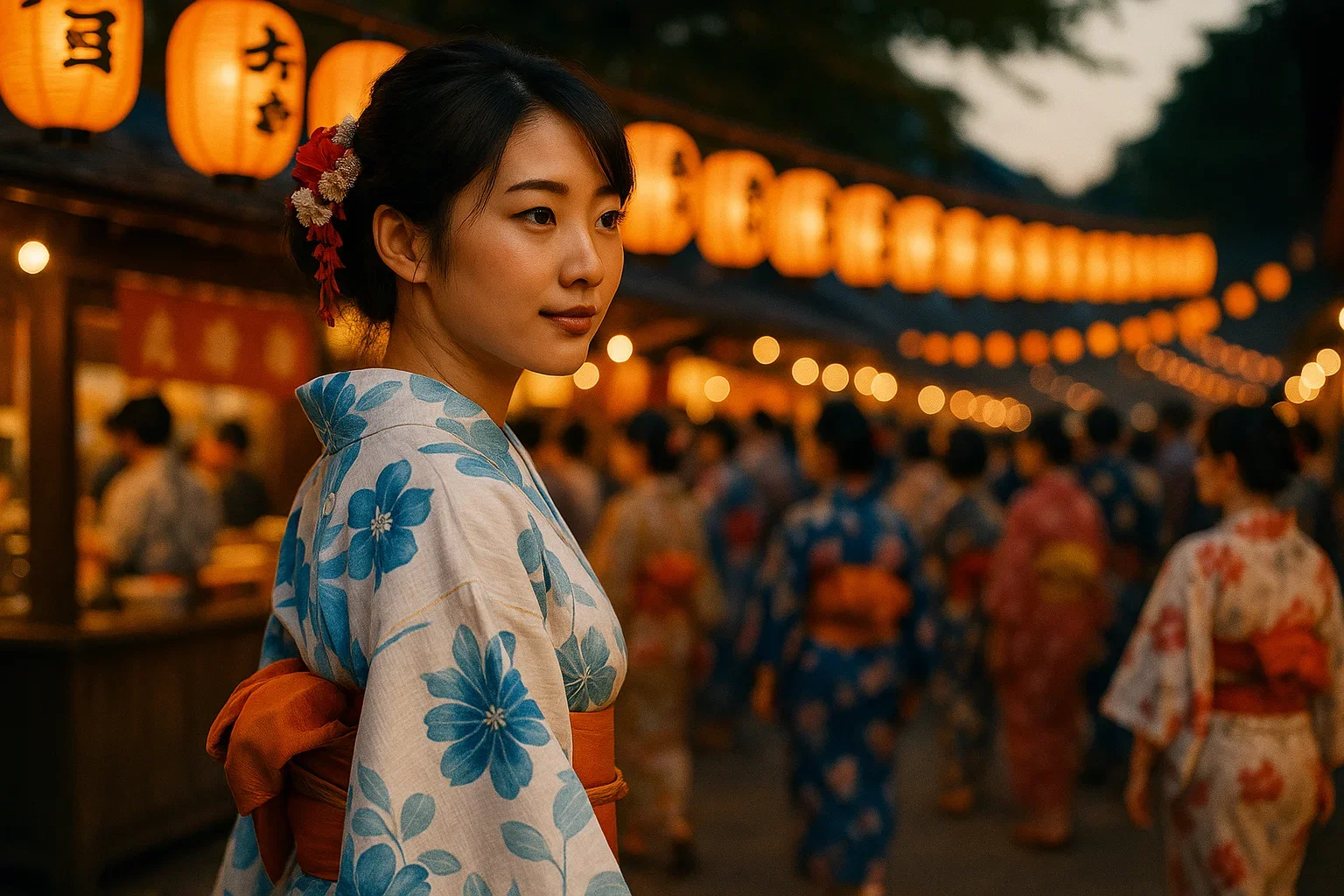
Harvest festivals in Japan, known as haru matsuri for spring and aki matsuri for autumn, were pivotal moments for communities. For the samurai, these events were more than mere celebrations; they were expressions of gratitude toward the kami (deities) and a reaffirmation of their role as protectors of the people’s livelihood. The samurai’s participation in these festivals reinforced social cohesion and demonstrated that their martial prowess was balanced by a respect for agricultural prosperity.
Rice and the Samurai’s Connection to the Land
Rice, the staple of the Japanese diet, was central to the samurai’s identity. The cultivation of rice required meticulous planning, and the samurai’s leadership extended to overseeing irrigation systems, pest control, and the distribution of produce. During the rice harvest, samurai would lead processions carrying shinto offerings—rice bowls, sake, and seasonal flowers—to local shrines. These offerings symbolized the samurai’s acknowledgment that their strength derived from the land’s generosity.
Historical records from the Samurai class show that they often organized communal rice‑picking parties, where warriors and villagers alike would gather to reap the grain. The shared labor fostered camaraderie and reminded the samurai of their duty to protect the people who cultivated the fields. The practice also served as a form of physical training, keeping warriors fit for battle while reinforcing their connection to the earth.
Festivals and Rituals: Autumn and Spring Celebrations
Autumn, the season of harvest, was marked by the Tsukimi moon‑watching festival, where samurai would gather to admire the full moon and offer rice dumplings called mochi. The moon’s reflection on the rice paddies was seen as a sign of divine blessing. In spring, the Hana Matsuri (flower festival) celebrated the blooming of cherry blossoms and the renewal of life. Samurai would perform ceremonial dances, known as kagura, to honor the kami and to pray for a bountiful season ahead.
These festivals were not only spiritual but also practical. They served as a time for the samurai to assess the health of the crops, distribute surplus produce, and plan for the next planting season. The communal nature of the celebrations ensured that knowledge about irrigation techniques and pest management was shared across generations, preserving agricultural expertise within the samurai’s domain.
Tea Ceremonies and Seasonal Offerings
The Japanese tea ceremony, or chanoyu, was another avenue through which samurai expressed gratitude for the harvest. The ceremony’s emphasis on harmony, respect, purity, and tranquility mirrored the samurai’s code of conduct, bushido. During the ceremony, samurai would serve matcha (green tea) made from tea leaves harvested in the spring, accompanied by seasonal sweets crafted from rice and local fruits.
According to the Japan National Tourism Organization, the tea ceremony’s seasonal themes—such as the use of bamboo in spring or the incorporation of autumn leaves in the décor—highlighted the cyclical nature of life. Samurai’s participation in these ceremonies reinforced their role as cultural custodians, bridging martial tradition with artistic refinement.
Key Harvest Rituals: A Quick Reference
- Rice bowl offerings to shrines during harvest.
- Community rice‑picking parties led by samurai.
- Moon‑watching (Tsukimi) with mochi offerings.
- Flower festivals (Hana Matsuri) featuring kagura dances.
- Seasonal tea ceremonies honoring the harvest.
Legacy of Samurai Harvest Celebrations
While the samurai class was abolished in the late 19th century, the traditions they cultivated endure in modern Japanese festivals. Contemporary harvest festivals, such as the Oni Matsuri in Kyoto and the Shichi-Go-San celebrations, still incorporate elements of samurai ritual—rice offerings, communal feasting, and tea ceremonies. These practices serve as living reminders of the samurai’s commitment to harmony between humanity and nature.
Modern scholars, including those at the University of Tokyo, argue that the samurai’s seasonal rituals helped stabilize rural economies by fostering cooperation and shared responsibility. The emphasis on seasonal cycles also influenced Japan’s agricultural policies, encouraging sustainable practices that respect the land’s natural rhythms.
Conclusion: Embrace the Spirit of Seasonal Harvests
Samurai Celebrate Seasonal Harvests not merely as historical footnotes but as living traditions that continue to shape Japan’s cultural identity. By honoring the land’s bounty through festivals, rituals, and communal labor, the samurai set a precedent for stewardship and gratitude that resonates today. Whether you’re a history enthusiast, a cultural traveler, or simply someone who appreciates the beauty of seasonal change, exploring these harvest celebrations offers a profound connection to Japan’s past and present.
Join us in celebrating the enduring legacy of the samurai’s seasonal harvest rituals. Visit local festivals, participate in tea ceremonies, and learn how these ancient practices can inspire modern sustainability and community spirit. Discover more about Japan’s harvest festivals and experience the timeless harmony between warriors and the land.
Frequently Asked Questions
Q1. What role did samurai play in harvest festivals?
Samurai served as community leaders, organizing and leading harvest celebrations. They coordinated rice‑picking parties, guided processions to shrines, and ensured fair distribution of produce. Their presence reinforced social cohesion and demonstrated that martial prowess could coexist with agricultural stewardship. By actively participating, samurai modeled gratitude toward the land and its bounty.
Q2. How did samurai integrate agriculture into their code of conduct?
The Bushido code emphasized honor, duty, and respect for nature. Samurai viewed the land as a sacred resource that sustained both warriors and civilians. They oversaw irrigation, pest control, and crop management, treating agricultural tasks as extensions of their protective responsibilities. This integration fostered a culture of stewardship and sustainable farming practices.
Q3. What were the main rituals during the autumn harvest?
Autumn harvests featured the Tsukimi moon‑watching festival, where samurai offered mochi to the full moon. They also performed kagura dances at Hana Matsuri, celebrating cherry blossoms and renewal. Processions carried rice bowls and sake to shrines, symbolizing gratitude to the kami. These rituals combined spiritual reverence with practical assessments of crop health.
Q4. How did tea ceremonies reflect harvest celebrations?
Tea ceremonies (chanoyu) mirrored the seasonal cycles, with spring tea made from freshly harvested leaves and autumn décor incorporating fallen leaves. Samurai used the ceremony to express harmony, respect, and purity—values shared with Bushido. Seasonal sweets crafted from rice and fruit complemented the matcha, reinforcing the connection between harvest and cultural refinement.
Q5. Are samurai harvest traditions still visible today?
Modern Japanese festivals, such as Oni Matsuri and Shichi-Go-San, retain elements of samurai rituals like rice offerings and communal feasting. Tea ceremonies continue to emphasize seasonal themes, and many rural communities still practice communal rice‑picking. These traditions serve as living reminders of the samurai’s commitment to harmony between humanity and nature.