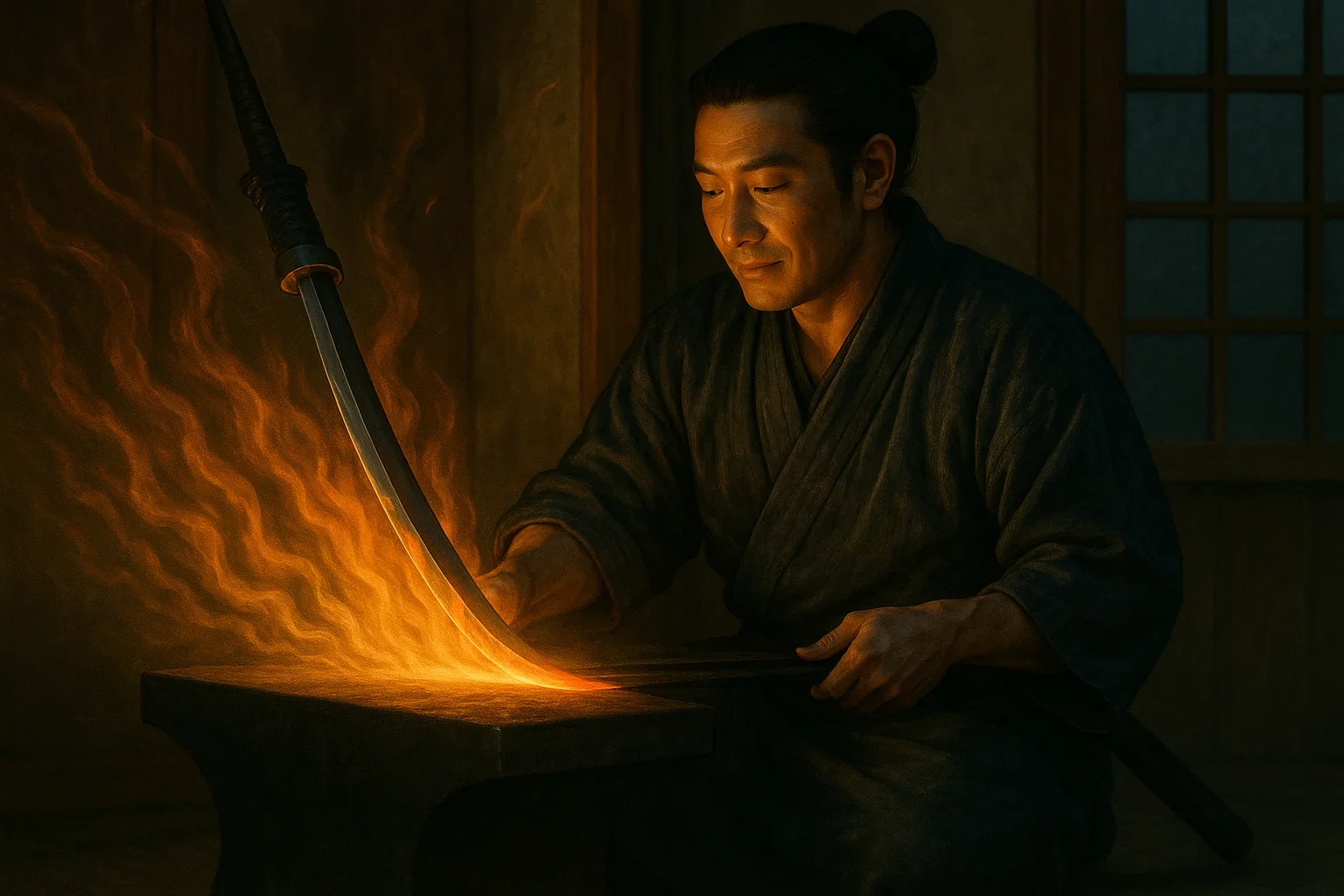
Samurai Armor Engravings Artistry
Samurai Armor Engravings are more than mere protective gear; they are a canvas where history, mythology, and craftsmanship converge. These intricate designs, etched into metal plates, lacquer, and silk, reveal the soul of a warrior and the cultural ethos of feudal Japan. By exploring the symbolism, techniques, and evolution of these engravings, we uncover how each piece tells a story of honor, power, and artistic devotion.
Origins of Samurai Armor Decoration
During the Heian period (794–1185), samurai armor began to incorporate decorative elements that reflected the warrior’s lineage and status. Early designs were simple geometric patterns, but by the Kamakura period (1185–1333), artisans introduced more elaborate motifs such as dragons, phoenixes, and cherry blossoms. These symbols were not arbitrary; they conveyed virtues like courage, rebirth, and resilience. The Wikipedia entry on Samurai armor notes that the integration of art and function was a hallmark of Japanese metalwork, setting it apart from Western armor traditions.
Techniques Behind the Engravings
Creating a Samurai Armor Engraving required a blend of precision and creativity. Artisans used a tool called a tōgō (engraving knife) to carve shallow lines into the metal, then applied lacquer to fill the grooves, producing a subtle depth that caught light. In some cases, gold leaf was applied over the lacquer, creating a luminous contrast. The process involved several stages: design drafting, metal shaping, engraving, lacquering, and polishing. Each stage demanded mastery, and the final product was a testament to the artisan’s skill.
- Geometric Patterns: Symmetrical lines and squares that symbolize balance.
- Mythological Creatures: Dragons, phoenixes, and tigers representing power and protection.
- Floral Motifs: Cherry blossoms and bamboo indicating transience and resilience.
- Calligraphic Inscriptions: Slogans or names etched to honor the wearer.
Symbolism in Samurai Armor Engravings
Each engraving carried layered meanings. For instance, the dragon motif was believed to ward off evil spirits and grant the wearer invincibility. The phoenix, rising from ashes, symbolized rebirth and the samurai’s unwavering spirit after defeat. Floral designs, especially cherry blossoms, reminded warriors of the fleeting nature of life, encouraging them to live honorably. These symbols were not only decorative but also served as psychological tools, reinforcing the samurai’s resolve before battle.
Evolution Through the Edo Period
By the Edo period (1603–1868), Japan experienced relative peace, and the role of the samurai shifted from battlefield fighters to bureaucratic officials. Consequently, armor became more ceremonial. Engravings grew more elaborate, incorporating intricate scrollwork and elaborate color schemes. The National Museum of Japan houses several Edo-period armors that showcase this transition, with lacquered surfaces adorned with gold and silver filigree.
Preservation and Modern Appreciation
Today, Samurai Armor Engravings are treasured artifacts displayed in museums worldwide. The Smithsonian Institution’s National Museum of Asian Art features a collection of samurai armor that highlights the artistic techniques discussed above. Conservationists use non-invasive methods to preserve the delicate lacquer and metalwork, ensuring that future generations can study these masterpieces.
How to Appreciate Samurai Armor Engravings
When viewing a piece, consider the following:
- Observe the Light: The engraved grooves catch light differently, revealing depth.
- Identify Motifs: Recognize common symbols and their meanings.
- Note the Lacquer: The sheen indicates the level of craftsmanship.
- Consider Historical Context: Relate the design to the era it was created.
Conclusion: The Enduring Legacy of Samurai Armor Engravings
Samurai Armor Engravings are a window into Japan’s rich cultural tapestry, blending artistry with martial purpose. Their enduring beauty lies in the meticulous craftsmanship and the profound symbolism that continues to inspire historians, artists, and enthusiasts alike. Whether you’re a collector, a scholar, or simply curious, exploring these engravings offers a deeper appreciation for the samurai’s legacy and the timeless allure of Japanese metalwork.
Discover more about the fascinating world of samurai armor and its artistic heritage—visit the National Museum of Japan or the Smithsonian’s Asian Art collection today!
Frequently Asked Questions
Q1. What are Samurai Armor Engravings?
They are decorative motifs etched into armor plates, combining artistry with protection. These designs often reflect the wearer’s lineage, status, and personal values. The engravings serve both aesthetic and symbolic purposes, enhancing the armor’s visual impact while conveying cultural meanings.
Q2. What symbols are commonly used in Samurai Armor Engravings?
Common motifs include dragons, phoenixes, cherry blossoms, bamboo, and calligraphic inscriptions. Each symbol carries specific meanings—dragons for power, phoenixes for rebirth, and cherry blossoms for the fleeting nature of life. These elements reinforce the warrior’s virtues and serve as psychological tools before battle.
Q3. How were Samurai Armor Engravings created?
Artisans used a tool called a tōgō to carve shallow lines into metal, then applied lacquer to fill the grooves. Gold leaf was sometimes added for a luminous contrast. The process involved design drafting, metal shaping, engraving, lacquering, and polishing, each stage demanding mastery.
Q4. How did the designs evolve from the Heian to the Edo period?
Early Heian armor featured simple geometric patterns, while Kamakura armor introduced mythological creatures. By the Edo period, with relative peace, armor became ceremonial and more elaborate, incorporating intricate scrollwork and rich color schemes. This evolution reflects the shifting role of samurai from warriors to bureaucratic officials.
Q5. How can I appreciate Samurai Armor Engravings when viewing them?
Observe how light interacts with engraved grooves to reveal depth. Identify common motifs and their symbolic meanings. Note the lacquer’s sheen, which indicates craftsmanship level, and consider the historical context to fully appreciate the artwork’s significance.