Sacred Battle Rituals Explained
Throughout human history, warriors have performed sacred battle rituals to seek divine protection, psychological fortitude, and moral justification before engaging in combat. These profound ceremonies transcended geography and era—from Viking berserkers consuming hallucinogenic mushrooms to Roman generals sacrificing goats at temples. Such practices served both functional and psychological purposes, uniting troops under shared beliefs while attempting to influence outcomes through supernatural means. Scholars recognize war rituals as fundamental to understanding humanity’s relationship with conflict across civilizations worldwide.
The Ancient Roots of Sacred Battle Rituals
Egyptian pharaohs underwent elaborate purification rites in temple sanctums before military campaigns, as depicted in reliefs at Karnak Temple. Similarly, Spartan warriors sacrificed animals to Artemis Orthia while reciting ancestral oaths documented by Herodotus. In Mesoamerica, Aztec Jaguar warriors chanted hymns honoring Huitzilopochtli during bloodletting ceremonies confirmed through Codex Mendoza illustrations. These rituals weren’t mere superstition but structured protocols believed to activate divine alliances.
Sacred Battle Rituals Across Cultures
Comparative studies reveal fascinating patterns in pre-combat ceremonies:
- Celtic tribes: Druids cast protective circles while interpreting raven flights
- Maori warriors: Performed haka dances summoning ancestral spirits
- Ottoman Janissaries: Recited Sufi prayers from memory before siege assaults
- Zulu impis: Brewed ritual medicines in horns (izinkamba)
Such practices connected material warfare with spiritual realms across three continents. The Achaemenid Persians executed elaborate horse sacrifices facing the sun, believing dying steeds carried prayers heavenward.
Psychological Warfare Through Sacred Ritual
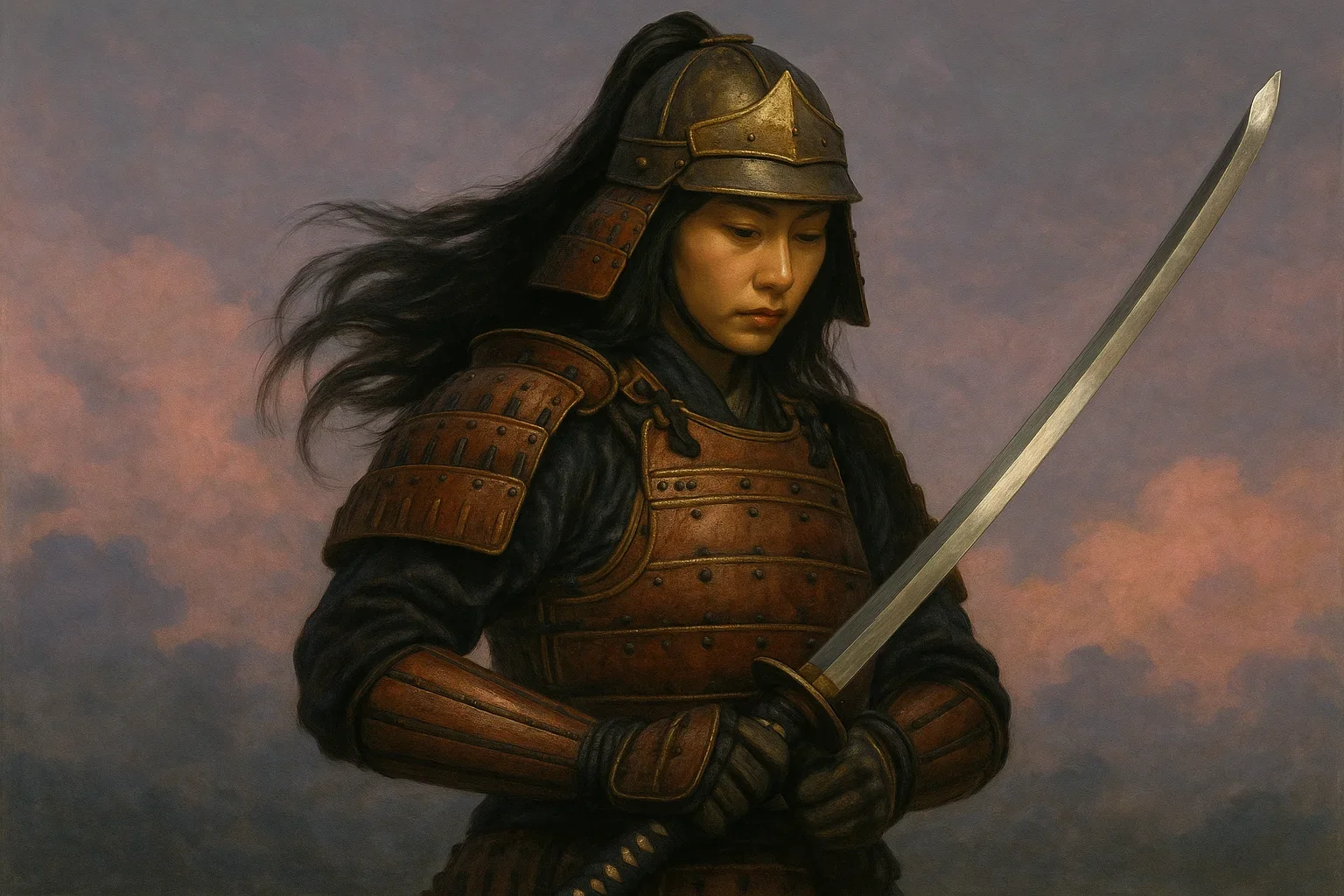
Sacred battle rituals psychologically armed warriors by transforming combat into cosmic destiny. Viking saga texts describe berserkers entering trance-like fury after rituals invoking Odin—a state modern researchers link to endorphin surges triggering dissociative fearlessness. Samurai practiced Zen meditation before battle to achieve mushin (no-mind), still taught in martial dojos worldwide. Napoleon’s troops carried consecrated flags from Notre Dame, with historians attributing their early resilience to spiritual symbolism.
Modern Military Traditions Rooted in Sacred Practices
While overtly religious rituals faded, symbolic traditions endure. Naval commissions still feature “breaking the commissioning pennant” ceremonies adapted from Phoenician sea blessings. Pilots maintain pre-flight rituals documented in RAND Corporation studies on military superstitions. The Tomb of the Unknown Soldier ritual with its precise 21-step march derives from ancient heroes’ funerary rites.
The Enduring Legacy of Sacred Battle Rituals
Soldiers continue lighting candles at unit memorials or carrying talismans, demonstrating rituals’ persistent role in confronting mortality. Modern combat psychologists recognize streamlined equivalents—from football team prayers to fighter pilots’ lucky charms—as cognitive tools for managing existential terror. These traditions subtly honor ancestors while fortifying warriors psychologically against modern warfare’s horrors.
Sacred battle rituals reveal humanity’s timeless quest to sanctify survival through symbolic acts. By participating in these traditions, warriors connected mortal actions to perceived cosmic purposes across millennia. Explore ancient battlefields firsthand to feel this profound historical continuity. Visit museum collections preserving ritual artifacts to deepen your understanding.
Frequently Asked Questions
Q1. Did all ancient cultures have sacred battle rituals?
Yes, anthropological studies confirm rituals existed universally. Documentation ranges from Greek historians describing Thracian ceremonies to Sanskrit texts detailing Vedic yajnas before warfare. Variations occurred based on belief systems, but structured preparations were culturally ubiquitous.
Q2. How did sacred rituals benefit warriors psychologically?
Three core benefits emerged: dissociation from fear through trance states, group cohesion via shared experience, and cognitive reframing of violence as sacred duty. Modern neuroscience links rhythmic rituals to altered consciousness reducing PTSD incidence.
Q3. What animal was most commonly sacrificed?
Goats and horses predominated Indo-European traditions, while Mesoamericans favored birds. Romans conducted the Suovetaurilia—simultaneous sacrifice of pigs, sheep, and bulls—for legion purification attested in altars across the Danube frontier.
Q4. Do armies still conduct sacred battle rituals today?
While explicit deity invocations are rare, ceremonial traditions persist. Examples include British units touching their regimental colors and Gurkhas sacrificing goats at Kali temples. The U.S. Military’s Chaplain Corps facilitates multifaith spiritual readiness programs.
Q5. Were rituals effective in changing battle outcomes?
Indirectly yes—through morale enhancement and coordination. Rituals frequently predicted victory when synchronized with practical preparations like scouting or fortifications. Sacred drums coordinated army movements before signal technology existed.