Natural Materials in Japanese Architecture
Japan’s architectural heritage is a living testament to the harmonious relationship between people and their environment. From the soaring cedar halls of ancient temples to the minimalist, timber‑based homes of the countryside, the country’s builders have long relied on natural materials that are abundant, renewable, and deeply rooted in cultural tradition. In this article, we explore the key natural materials that have shaped Japanese building traditions, examine how they are used, and consider how modern sustainability practices are breathing new life into these time‑honored techniques.
Natural Materials: Wood in Japanese Architecture
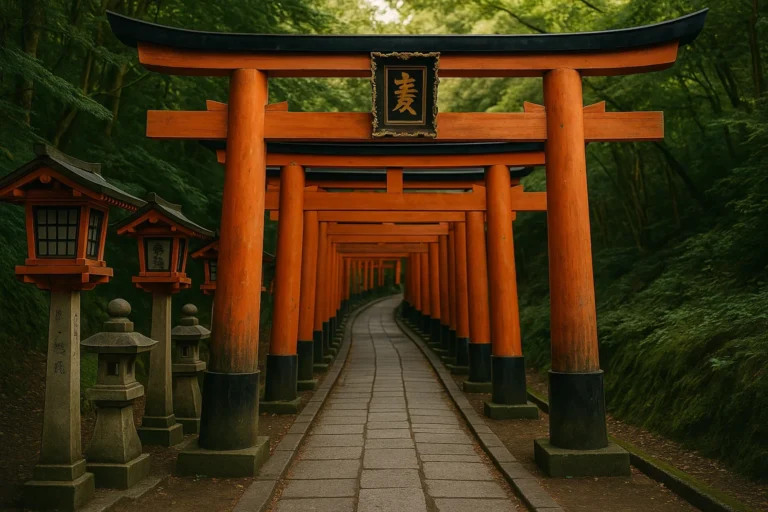
Wood has been the cornerstone of Japanese construction for over a millennium. The country’s dense forests of cedar (sugi) and cypress (hinoki) provide high‑quality timber that is both strong and flexible—an essential property for withstanding the nation’s frequent earthquakes. Traditional Japanese carpentry, or mokuan, employs a sophisticated system of interlocking joints that requires no nails or screws, allowing the structure to flex and absorb seismic forces. The iconic torii gates and the elegant, sloping roofs of Shinto shrines showcase the beauty and resilience of timber.
- Cedar (Sugi) – prized for its durability and aromatic resin.
- Cypress (Hinoki) – valued for its fine grain and resistance to rot.
- Japanese Black Pine (Matsu) – used in interior paneling and flooring.
- Japanese Cedar (Sugi) – often used in structural beams.
Modern architects are revisiting these traditional joinery techniques to create earthquake‑resistant, low‑carbon buildings. By combining ancient craftsmanship with contemporary engineering, they preserve cultural heritage while meeting today’s environmental standards.
Natural Materials: Paper and Bamboo for Lightness and Flexibility
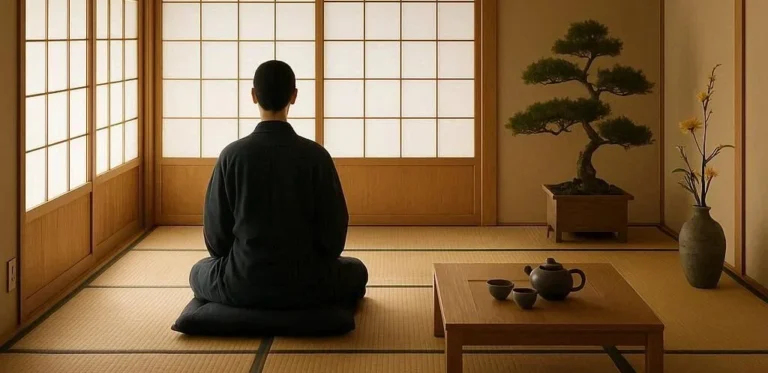
Paper, or origami‑style folding, and bamboo have long been integral to Japanese design. The use of shoji screens—translucent paper panels on wooden frames—creates a soft, diffused light that enhances interior spaces while allowing for flexible room configurations. Bamboo, harvested from fast‑growing culms, offers remarkable tensile strength and rapid renewability. It is employed in flooring, wall panels, and even structural elements in rural homes.
In contemporary sustainable architecture, bamboo is being engineered into composite panels and cross‑laminated timber (CLT) products that provide high strength-to-weight ratios. These innovations enable architects to construct lightweight, energy‑efficient buildings that echo the aesthetic of traditional Japanese homes.
Natural Materials: Stone and Clay for Foundations of Resilience
While wood dominates the visible elements of Japanese architecture, stone and clay form the unseen backbone of many structures. The ancient jiro‑kura (stone foundations) and kura‑bako (clay storage boxes) demonstrate how these materials provide stability and moisture control. Stone is also used in the construction of temple bases and the iconic stone lanterns that line temple paths.
Clay, particularly in the form of adobe and terracotta, has been employed for centuries in the creation of walls and roofing tiles. Its thermal mass properties help regulate indoor temperatures, reducing the need for artificial heating and cooling. Modern architects are exploring clay‑based composites that incorporate recycled materials, further enhancing sustainability.
Natural Materials: Modern Adaptations and Sustainable Innovations
Today’s Japanese architects are blending traditional natural materials with cutting‑edge technology to address climate change and resource scarcity. For instance, engineered timber products such as laminated veneer lumber (LVL) and cross‑laminated timber (CLT) allow for larger spans and stronger load‑bearing capacities while still using wood as the primary material. These products are manufactured with precision, reducing waste and ensuring consistent quality.
In addition, the use of green roofs—vegetated layers on building surfaces—combines stone, clay, and plant life to improve insulation, manage stormwater, and create urban biodiversity. Bamboo is also being cultivated in controlled environments to produce high‑grade construction material with minimal environmental impact.
By integrating these natural materials into modern design, Japan continues to lead the world in sustainable building practices that honor cultural heritage while protecting the planet.
Conclusion: Embrace Natural Materials for a Sustainable Future
Natural materials have shaped Japanese architecture for centuries, offering resilience, beauty, and ecological harmony. From the flexible joints of timber to the light‑filtering screens of paper and the enduring strength of stone, each element reflects a deep respect for nature. As we face global environmental challenges, the lessons embedded in these traditional practices provide a roadmap for sustainable, earthquake‑resistant, and culturally meaningful construction.
We invite you to explore how natural materials can transform your next project. Whether you’re a homeowner, a developer, or an architect, consider incorporating wood, bamboo, paper, stone, or clay into your designs. Together, we can build a future that honors the past while safeguarding the planet.
Ready to start your sustainable building journey? Contact us today to learn how natural materials can elevate your next project.
For more insights into Japanese architecture and sustainable building practices, visit these authoritative resources:
- Japanese Architecture – Wikipedia
- Bamboo – Britannica
- UNESCO World Heritage Sites – Japan
- Why Sustainable Building Matters – The Nature Conservancy
- ArchDaily – Sustainable Architecture Projects
Frequently Asked Questions
Q1. What are the primary natural materials used in traditional Japanese architecture?
Traditional Japanese architecture relies heavily on cedar (sugi), cypress (hinoki), and Japanese black pine (matsu). These woods are prized for their durability, flexibility, and resistance to rot. Paper, especially in shoji screens, and bamboo also play key roles, providing lightness and translucency. Stone and clay form the unseen backbone, offering stability and thermal mass.
Q2. How does Japanese carpentry achieve earthquake resistance?
Japanese carpentry, or mokuan, uses intricate interlocking joints that require no nails or screws. This design allows the structure to flex and absorb seismic forces. The timber’s natural elasticity, combined with precise joinery, creates a resilient framework that can sway without breaking.
Q3. What role does bamboo play in modern sustainable design?
Bamboo is a fast‑growing, renewable resource with high tensile strength. Modern architects engineer bamboo into composite panels and cross‑laminated timber (CLT) products, achieving lightweight yet strong construction. These materials reduce carbon footprints and support energy‑efficient building envelopes.
Q4. How are stone and clay used in foundations and walls?
Stone foundations, or jiro‑kura, provide stability and moisture control for temples and shrines. Clay, in forms like adobe and terracotta, offers thermal mass that moderates indoor temperatures. Contemporary designs incorporate clay‑based composites with recycled materials to enhance sustainability.
Q5. How can architects incorporate natural materials into contemporary projects?
Architects can blend traditional joinery with engineered timber products such as LVL and CLT for larger spans. Green roofs combine stone, clay, and vegetation for insulation and stormwater management. Using bamboo composites and shoji‑style screens can add cultural authenticity while meeting modern performance standards.