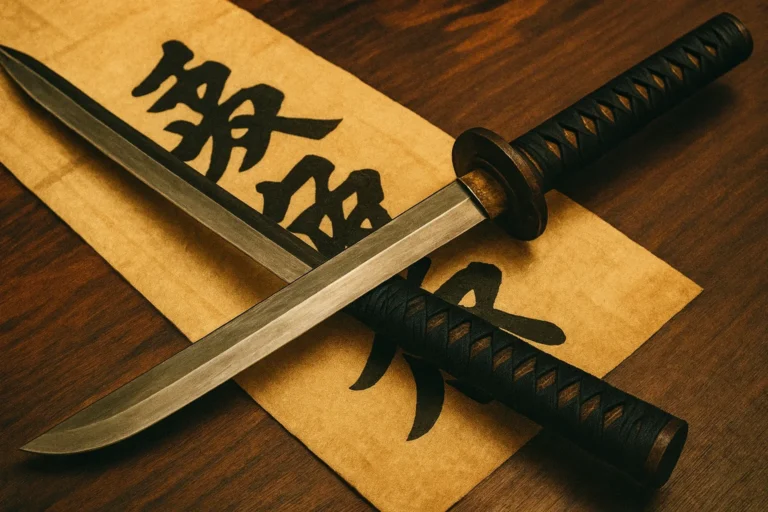
Learning Through Observation Japanese Culture
Learning Through Observation is a cornerstone of Japanese culture, shaping how individuals acquire knowledge, adapt to social norms, and navigate everyday life. From childhood to adulthood, Japanese society places immense value on watching, listening, and introspecting before speaking or acting. This method, deeply rooted in history and tradition, ensures a harmonious balance between individual growth and collective cohesion. By observing elders, peers, and rituals, learners internalize subtle cues—mannerisms, etiquette, and cultural nuances—that are often absent from formal education. The emphasis on quiet observation reflects a broader respect for hierarchy, courtesy, and subconscious learning, making Japan a living laboratory for those curious about social learning dynamics. Learning Through Observation also fosters an environment where questions are asked gently, and answers come from mutual understanding rather than authoritarian instruction. In a culture where silence can mean respect, the practice of learning through observation guarantees that newcomers integrate smoothly into the fabric of Japanese society.
Learning Through Observation: Cultural Context in Japan
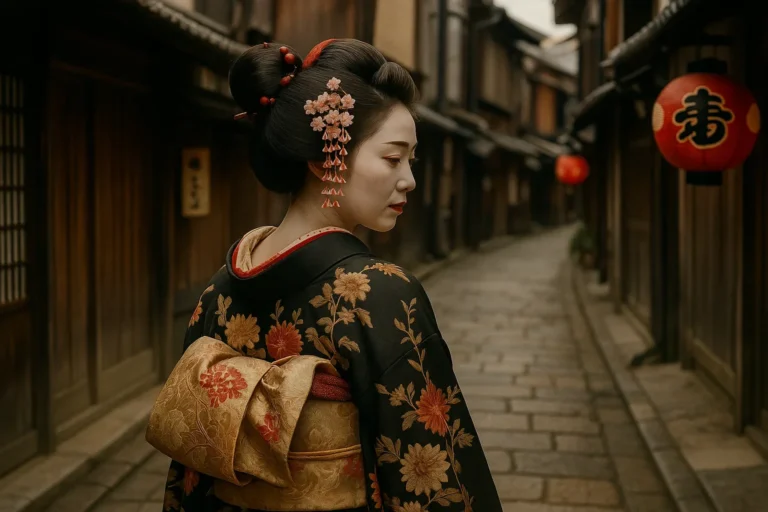
In Japan, the art of observing is woven into daily interactions—whether at Japanese etiquette practices, markets, or even a quiet garden. The principle of *amae*, or emotional dependency, underscores the willingness to read another’s mood and respond appropriately. Children learn to interpret the pause between speaking and gesturing, embracing etiquette rules from the family’s senior member. Social learning theory explains that these patterns reinforce expectations: the more one observes, the more one internalizes culturally appropriate behavior. Moreover, the Japanese concept of *wa*, harmony, thrives when each member carefully watches their surroundings and adapts in real time.
- Respectful listening at meals
- Observing senior’s gestures in work
- Learning tone shifts in conversations
- Adopting appropriate bowing techniques
- Understanding unspoken rules in group settings
These subtleties, often overlooked by outsiders, illustrate the potency of observation as a learning tool. Cultural practices encourage individuals to “pick up on the background cues.” By staying silent, one learns *subtext*—a skill necessary for navigating Japan’s intricate social fabric.
Learning Through Observation: Tea Ceremonies and Rituals
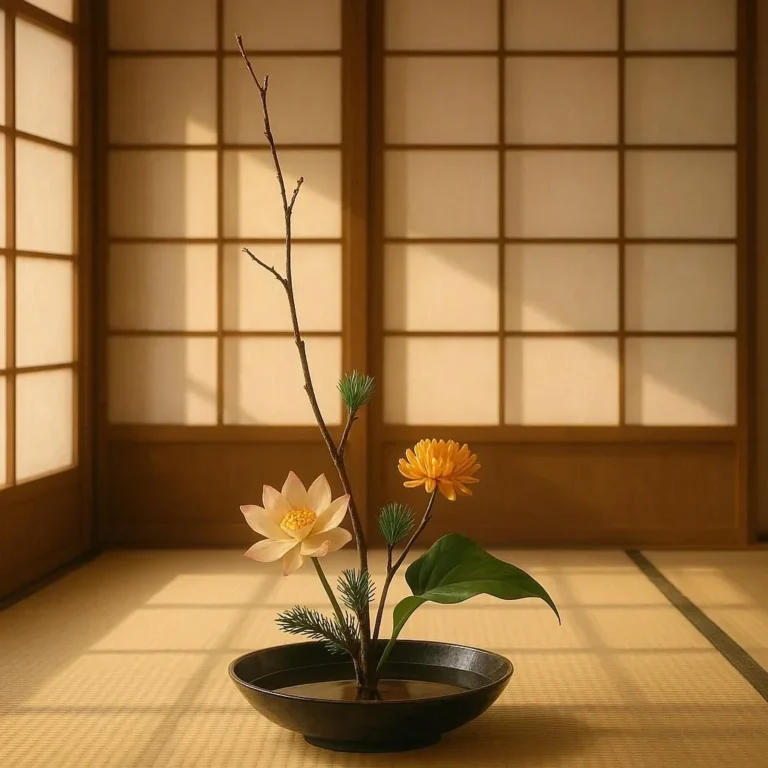
The Japanese tea ceremony, or *chanoyu*, is a case study in learning through observation. The ceremony demonstrates how a series of subtle movements, from the precise shaking of a kettle to the ceremonial folding of tea cups, teach the concept of *ichi-go ichi-e* (one chance, one meeting). Participants carefully watch the host’s hand gestures, simulate them, and adapt in real time. UNESCO’s listing of the tea ceremony highlights the ritual’s cultural significance—where observation becomes the main pedagogical tool. The tea ceremony also embodies the principles of zen mindfulness, offering observers a deep sense of present‑moment awareness.
Learning Through Observation: Education and Children
In Japanese schools, the “observe‑then‑demonstrate” model guides teaching methods. Rather than direct lecture, teachers use **modeling**—students watch and then replicate tasks like calligraphy or Kagami‑bashi (hand‑folding). This aligns with *shinshin‑shinshin* (teachable mind) where children internalize lessons through silent observation first. Moreover, research from the *University of Tokyo* indicates that observational learning boosts problem‑solving ability and long‑term retention in elementary grades.
Beyond formal classrooms, children learn at family gatherings. Through the *observation* of festivals, the *observation* of elder wisdom, the child records cultural rituals, eventually becoming an active participant. The Japanese value of *hikikomori*—the tendency to observe first—replaces intrusive approaches with a quiet, respectful learning method, providing a smoother integration into community life.
Learning Through Observation: Workplace Etiquette
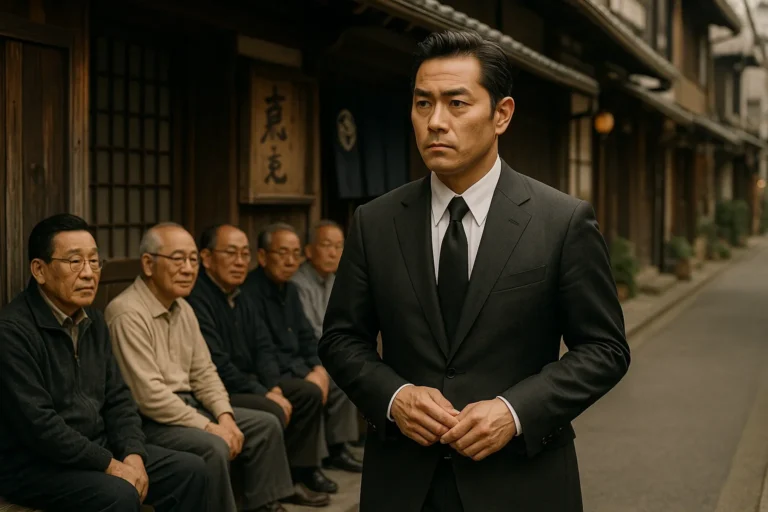
Business contexts in Japan heavily rely on learning through observation. From the first day of employment, *junior* employees observe the *senior* colleagues’ patterns—timing of emails, decision-making processes, tone of voice. They witness group dynamics, noting who takes the lead during meetings or how conflicts are handled. The *Japanese Ministry of Foreign Affairs* outlines this dynamic in its *Foreign Service Training Manual*, describing how observation helps maintain *wa* in multinational firms.
Remote work has introduced new challenges. Yet, even virtual meetings echo the same principle: employees watch body language, tone, and speaking pace before contributing. Employers encourage mentors to demonstrate small, context‑specific actions, enabling coworkers to adopt best practices without direct instruction.
Learning Through Observation: Conclusion and Call to Action
Learning Through Observation in Japanese culture is more than a passive activity; it is a disciplined, culturally embedded process that fosters deeper understanding and adherence to social norms. Whether one engages with tea ceremonies, school lessons, workplace rituals, or everyday conversations, the core practice remains the same: observe, internalize, and then act. By embracing this method, you’ll not only respect the culture but also gain invaluable skills in mindfulness, empathy, and adaptive learning. Get inspired—step back, watch the subtle dance of etiquette unfold, and let each silently learned lesson enrich your personal or professional life. Start observing today and transform your learning journey!
Frequently Asked Questions
Q1. How does learning through observation influence Japanese etiquette?
Observing others is the first step in mastering the intricate rules of Japanese manners. This silent learning process lets individuals notice the subtle cues that guide respectful interactions. By watching peers and elders, one internalizes appropriate bowing, facial etiquette, and conversational pauses. The result is a deep respect for hierarchy and harmony in everyday life.
Q2. In what ways is observation used in Japanese tea ceremonies?
The tea ceremony is a living classroom where participants watch the host’s precise movements. Each gesture—from the elegant sweep of the tea whisk to the careful placement of utensils—is a lesson in mindfulness and reverence. Observers absorb the symbolism of each action, then practice the same motions to align with the ceremony’s rhythm. This creates a shared experience grounded in present‑moment awareness.
Q3. How is observational learning applied in Japanese schools?
Japanese classrooms favor the observe‑then‑demonstrate model. Teachers act as models, and students watch before mimicking tasks like calligraphy or folding. This method reinforces learning through subtle imitation rather than direct instruction. Research shows that such observation improves problem‑solving and long‑term retention among pupils.
Q4. Why is observation important in Japanese workplace culture?
New employees observe senior colleagues to learn the rhythms of communication, email etiquette, and decision‑making. Watching how group dynamics unfold helps newcomers understand unwritten norms. By internalizing these cues, they contribute smoothly and foster workplace harmony. Organizations often pair observation with mentorship to accelerate integration.
Q5. What benefits can a traveler gain from observing Japanese culture?
Travelers who pause to watch locals gain insights beyond guided tours. They learn proper bowing, polite gestures, and appropriate silence. This mindful observation enhances cultural respect and personal empathy. Ultimately, it turns a trip into a deeper, more nuanced learning experience.