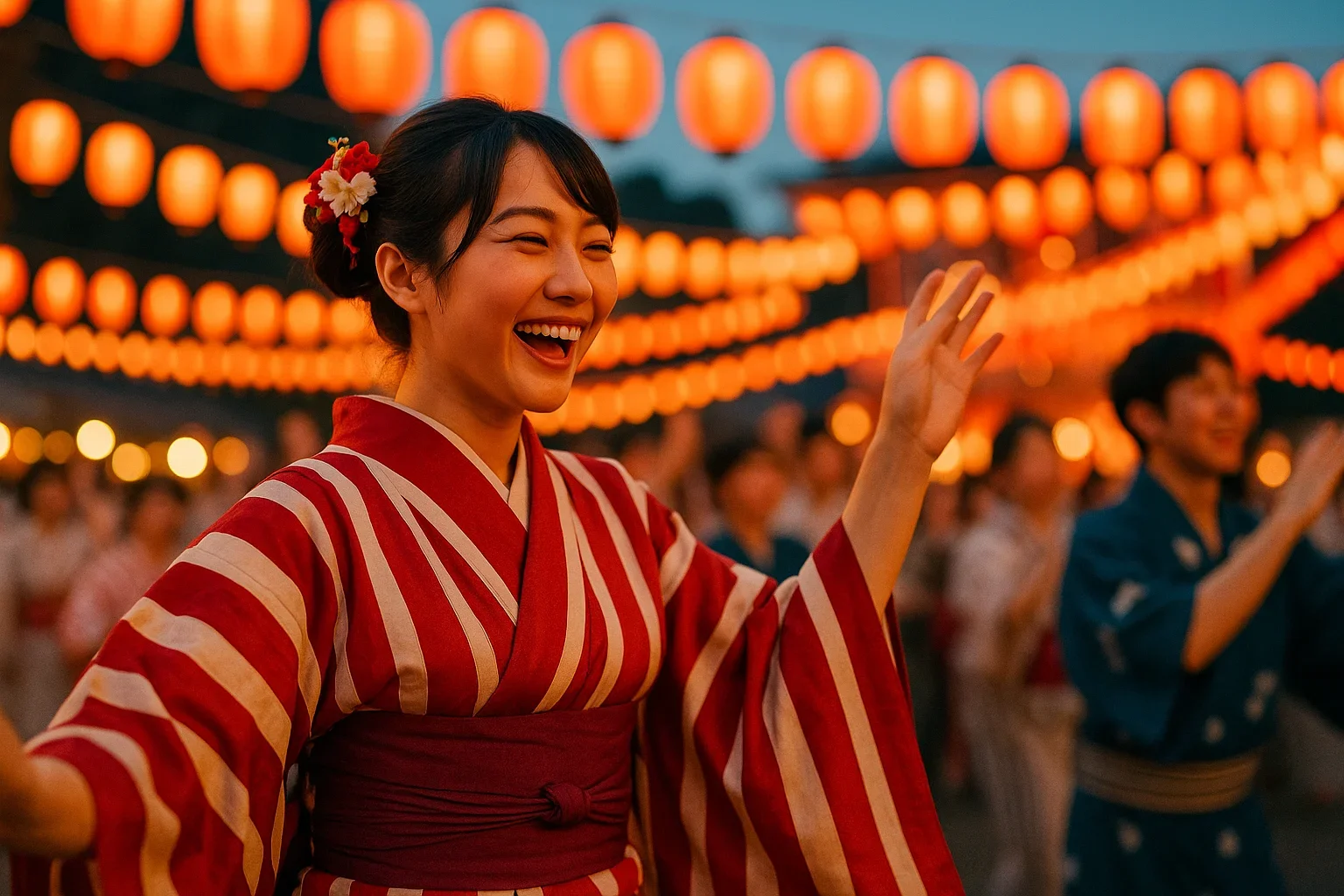
Japanese Paper Lanterns Tradition
Japanese paper lanterns, or tōrō, have illuminated streets, festivals, and homes for centuries. Their delicate glow and intricate designs embody a blend of artistry, spirituality, and community spirit. In this guide, we explore the traditional craft of Japanese paper lanterns, tracing their origins, materials, techniques, and modern resurgence. Whether you’re a seasoned craftsman or a curious hobbyist, understanding the nuances of this craft can inspire your own creations and deepen your appreciation for Japan’s cultural heritage.
Origins and Cultural Significance
The earliest Japanese lanterns date back to the Nara period (710–794 CE), when Buddhist monks introduced lantern-making techniques from China. Initially used to illuminate temples and shrines, these lanterns evolved into symbols of enlightenment and guidance. Over time, they became integral to festivals such as the Gion Matsuri in Kyoto and the Obon lantern processions that honor ancestral spirits. The lantern’s soft light is believed to guide wandering souls, while its paper form reflects impermanence—a core Buddhist concept. Today, lantern festivals—known as tōrō matsuri—continue to draw crowds, showcasing the lantern’s enduring cultural resonance.
Materials and Techniques
Traditional Japanese paper lanterns are crafted from washi, a high‑quality handmade paper made from the fibers of the gampi tree, mitsumata shrub, or paper mulberry. Washi’s durability and translucency make it ideal for lanterns that must withstand wind while diffusing light. The paper is typically cut into thin strips, then folded and glued to a bamboo frame. The bamboo provides structural support while remaining lightweight, allowing lanterns to float or be carried easily.
Key steps in the lantern-making process include:
- Paper Selection: Choosing the right type of washi based on color, texture, and thickness.
- Cutting and Folding: Precise cuts and folds ensure a smooth, even surface.
- Frame Construction: Bamboo slats are arranged in a lattice, then secured with natural glue.
- Decoration: Hand‑painted motifs, calligraphy, or gold leaf accents add visual depth.
- Lighting: Traditional lanterns use oil lamps or candles; modern versions often incorporate LED lights for safety and longevity.
Each step requires patience and skill, reflecting the meticulous craftsmanship that has been passed down through generations. The use of natural materials also aligns with Japan’s long-standing respect for harmony with nature.
Design Variations and Symbolism
Japanese paper lanterns come in a variety of shapes, sizes, and colors, each carrying symbolic meaning. Common designs include:
- Red Lanterns: Symbolize good fortune and ward off evil spirits.
- White Lanterns: Represent purity and are often used in Buddhist ceremonies.
- Blue Lanterns: Associated with calmness and the sea, frequently seen in coastal festivals.
- Patterned Lanterns: Motifs such as cherry blossoms, cranes, or waves convey seasonal themes and cultural narratives.
Beyond aesthetics, the lantern’s shape can reflect philosophical ideas. For instance, the cylindrical form is said to embody the concept of mono no aware—the bittersweet appreciation of transient beauty. The lantern’s light, diffused through paper, creates a gentle glow that encourages contemplation and community bonding.
Modern Revival and Global Influence
While rooted in tradition, Japanese paper lanterns have experienced a renaissance in contemporary art and design. Artists now experiment with mixed media, incorporating recycled paper, silk, and even biodegradable plastics. In the digital age, lanterns have become popular in social media aesthetics, with influencers sharing tutorials on creating minimalist lanterns for home décor.
Internationally, lantern festivals inspired by Japanese traditions have sprung up in cities worldwide—from New York’s Lantern Festival to Seoul’s Gwanghwamun Lantern Festival. These events celebrate multiculturalism and showcase the universal appeal of lanterns as symbols of hope and unity.
For those interested in exploring the craft further, numerous workshops and online courses offer hands‑on instruction. Many artisans emphasize sustainability, encouraging the use of locally sourced materials and eco‑friendly glues.
Conclusion: Light Up Your Own Tradition
Japanese paper lanterns are more than decorative objects; they are living embodiments of cultural heritage, artistic expression, and spiritual symbolism. By mastering the traditional techniques—selecting the right washi, constructing a sturdy bamboo frame, and adding meaningful designs—you can create lanterns that honor centuries of craftsmanship while adding a touch of elegance to your space.
Ready to bring the glow of Japanese paper lanterns into your life? Join a local workshop, purchase high‑quality washi, and start crafting your own lantern today. Let the soft light guide your creativity and connect you to a tradition that has illuminated hearts for generations.
For more information on Japanese lantern festivals and cultural history, visit the following authoritative resources:
- Japanese Lantern (Wikipedia)
- Washi Paper (Wikipedia)
- UNESCO Creative Communities
- Japan National Tourism Organization – Lantern Festivals
Frequently Asked Questions
Q1. What materials are traditionally used to make Japanese paper lanterns?
Japanese paper lanterns are traditionally made from washi paper, a high‑quality handmade paper derived from gampi, mitsumata, or paper mulberry fibers. The paper is cut into thin strips and glued onto a lightweight bamboo frame. The bamboo lattice provides structural support while keeping the lantern light enough to float or be carried. Natural glue, often made from starch or animal glue, is used to bind the paper to the frame. This combination of materials ensures durability and a soft, diffused glow when lit.
Q2. How does the color of a lantern reflect its symbolism?
Color plays a key role in lantern symbolism. Red lanterns are believed to bring good fortune and ward off evil spirits, while white lanterns represent purity and are common in Buddhist ceremonies. Blue lanterns evoke calmness and the sea, often seen in coastal festivals. Patterned lanterns featuring motifs like cherry blossoms or cranes convey seasonal themes and cultural narratives. These colors help participants connect with the lantern’s spiritual and cultural meanings.
Q3. What is the significance of the lantern’s shape in Japanese culture?
The cylindrical shape of many lanterns is said to embody the concept of mono no aware, the bittersweet appreciation of transient beauty. The shape also symbolizes the idea of a guiding light, reflecting enlightenment and spiritual guidance. Some lanterns are designed as torii gates or torches, each carrying its own symbolic meaning. The shape, combined with the soft glow, encourages contemplation and community bonding during festivals.
Q4. How are modern Japanese paper lanterns different from traditional ones?
Modern lanterns often incorporate LED lights for safety and longevity, replacing traditional oil lamps or candles. Artists experiment with mixed media, using recycled paper, silk, or biodegradable plastics. Contemporary designs may feature minimalist aesthetics or digital printing for intricate patterns. Despite these innovations, many artisans still emphasize sustainability and use locally sourced materials to honor traditional craftsmanship.
Q5. Where can I learn to make my own Japanese paper lantern?
Many workshops and online courses offer hands‑on instruction in lantern-making. Local craft centers in Japan, such as those in Kyoto or Tokyo, host seasonal classes during lantern festivals. Online platforms like Skillshare or YouTube feature tutorials that cover paper selection, frame construction, and decoration. Joining a community of makers can also provide guidance and inspiration for creating authentic lanterns.