Japanese Hospitality: Etiquette for Hosting
Japanese hospitality—known as omotenashi—is the art of anticipating a guest’s needs with subtle grace and profound respect. Whether you are planning a family dinner in Tokyo or a business reception in Kyoto, understanding this traditional code can transform a simple gathering into a memorable experience. Japanese hospitality is not merely about furniture placement or menu choices; it’s a cultural philosophy that intertwines the host’s humility with a guest’s appreciation, creating a harmonious exchange that reflects the broader Japanese culture of respect and meticulous care.
Japanese Hospitality: Preparing the Space
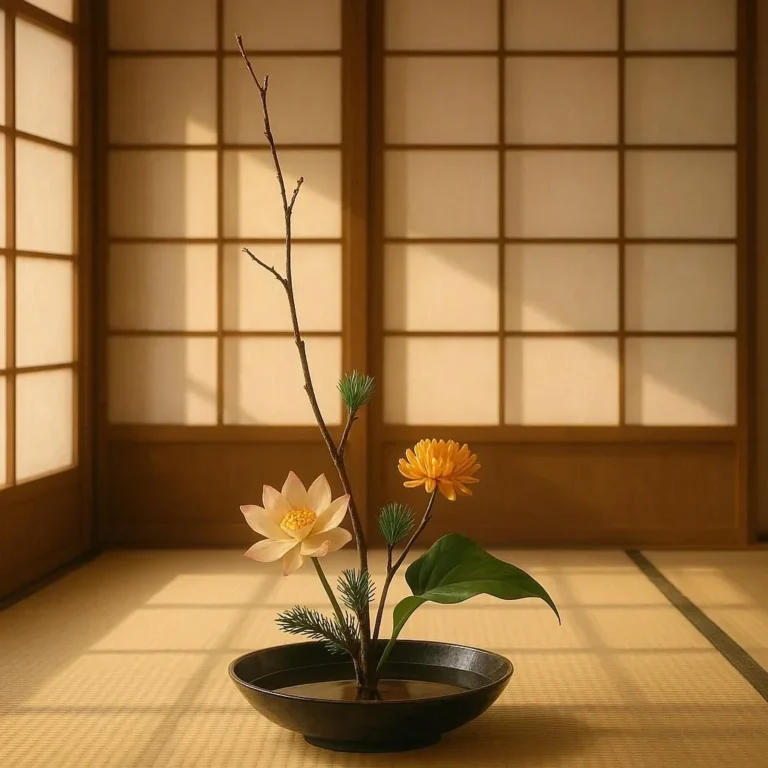
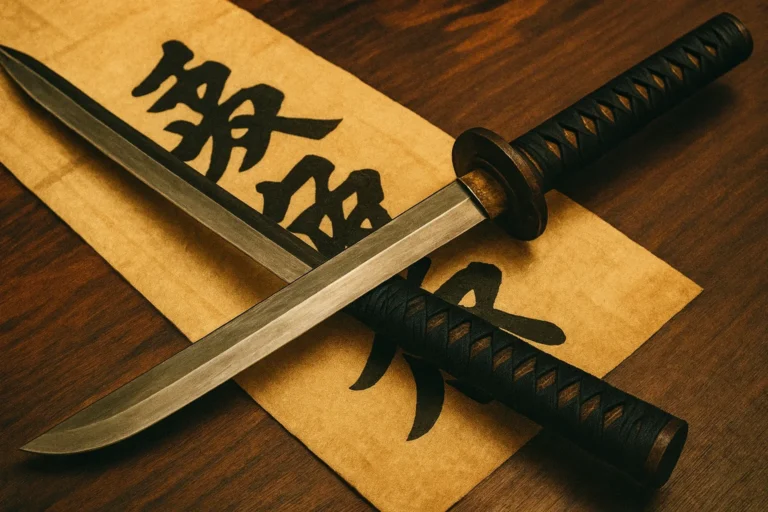
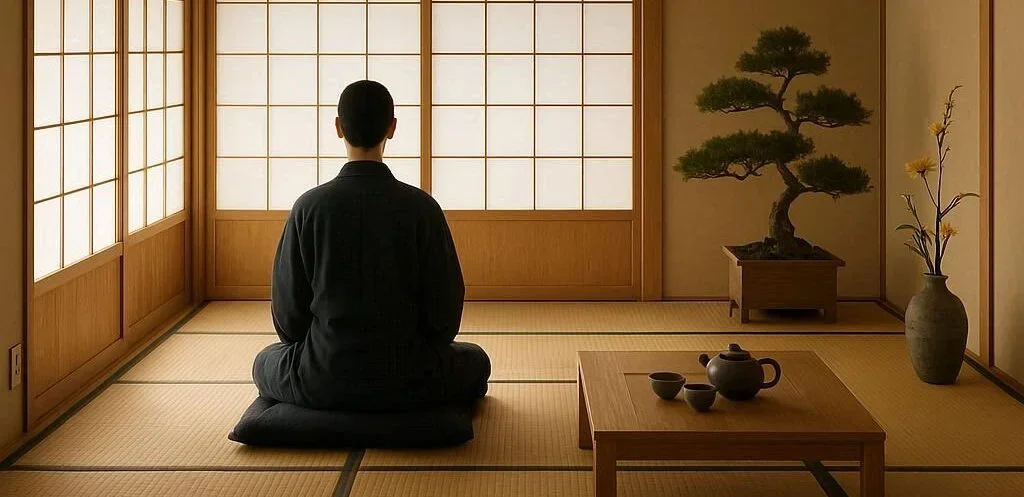
The beginning of any successful Japanese event is the physical environment. In Japanese homes, the concept of the “genkan”—a small entryway where shoes are removed—serves as the threshold of welcome, reminding attendees to set down their everyday burdens before entering a refined space. The host should ensure that the environment feels neither overcrowded nor sparsely decorated. Traditional elements such as a low, bamboo-floored tatami room, a carefully arranged chabudai (tea table), and minimalistic art pieces reinforce a sense of calm. Omotenashi emphasizes that every detail, from the choice of tablecloth to the placement of samurai antiques, communicates reverence.
When setting up your venue, the host should also consider the tea ceremony’s five principles— sa‑i‑chi‑ki‑yū (appearance, sound, fragrance, taste, and feeling)—as a guide to subtle elegance. These principles translate easily to any hosting scenario: a simple décor that signals attention to quality, a soft background melody, or a subtle scent in the air. By aligning the space with Japanese hospitality, you signal to guests that you value their presence above all else.
Japanese Hospitality: Welcoming Guests
The first interaction in Japanese culture sets the tone for the rest of the gathering. As a host, you are expected to greet each visitor with a respectful bow—low or high depending on the relative status of the guest. When offering a seat, clear communication is vital: softly ask, “Please, take a seat,” and ensure the seating arrangement aligns with the hierarchy of the event, placing the most honored guest in the seat of honor. The act of receiving footwear directly before entry—by the shoe rack by the entrance—is a ritual sign of respect, demonstrating the host’s readiness to provide a clean, safe space for all.
Flavorful scents—or the absence of them—are also crucial. According to the Japan National Tourism Organization, fresh pine or sandalwood diffusers are common. Avoid heavily scented perfumes, as they may overwhelm the formal setting. If you must use fragrance, opt for subtle, natural tones.
Japanese Hospitality: Food and Drink Etiquette
Japanese dinners revolve around delicate harmonies between dashi, rice, and seasonal fish. The host should present each dish with respect, serving small portions so guests can taste a variety of flavors without overindulging. Emphasize that modest servings accompany hospitality; each dish should be shared – a cultural shift from large plates to small individual servings that promotes conversation and mindful eating.
- Tea Service: Serve Japanese green tea using a chawan (tea bowl) and a gentle, measured pour. The host should say, “It’s time to enjoy tea”, before calmly lowering the cup to the guest’s level.
- Rice Ritual: When offering rice, place the bowl in the “kashiki” zone—centered and aligned with the eyes—symbolizing that rice is the foundation of the meal and respectful hospitality.
- Seasonal Sweets: Finish with kashiwa-zakura or mochi as a sweet note, reflecting the changing seasons relevant to the guest’s time.
- Wine Etiquette: If wine is provided, use a designated pitcher and serve both the host and guest at the same time.
- Water Refills: Keep a small jug of filtered water nearby and offer refills at each guest’s request to demonstrate attentiveness.
These steps align with a well‑known scholarly article: “Etiquette in Japanese Service Culture” (economist). It emphasizes how precise, repetitive gestures evoke a sense of respect, reinforcing the fundamental belief that hospitality is as much about how a guest is treated as what is served.
Japanese Hospitality: Finishing the Visit
The conclusion of a Japanese event is not an abrupt departure; it is an invitation to lasting connection. As guests depart, the host should use a formal bow and express gratitude: “Thank you for visiting” (in Japanese: ありがとうございます). According to the University of Tokyo’s cultural studies, offering a small flower at the exit—an act called “hanami” for a fleeting yet thoughtful gesture—strengthens that appreciative bond. This simple ethical sign persists even in modern business meetings, where a host may provide a handwritten note of thanks, sometimes accompanied by a complimentary shokuin (gifted food), traditionally used to leave a lasting impression.
In the digital age, the practice of Japanese hospitality transcends the physical realm. Many dining platforms—like Umami Doma—offer templates that mirror the polite tone of Japanese etiquette. Although the traditional format remains strong, these online adaptations only enhance accessibility for those outside Japan’s borders.
Practicing Japanese hospitality demands attentiveness, humility, and a willingness to anticipate your guests’ needs. In every moment—preparation, greeting, meal service, and departure—the host’s intent to comfort and honor the guests is evident, and the guest experiences a culture of reciprocal respect.
Conclusion and Call to Action
Japanese hospitality is a living tradition that can enrich any gathering. By combining thoughtful spatial design, respectful customs, and mindful service, you can create an event that feels professional and heartwarming. Whether you’re inviting colleagues for a corporate meeting in Osaka or hosting family friends in a quiet Subak neighborhood, the principles of omotenashi will guide you to flawless hospitality.
Ready to elevate your next event? Embrace the art of Japanese hospitality—plan your space, master your greetings, and savor every moment of shared experience. Your guests will not only remember the meal but also the spirit of care that was poured into every detail.
Take the first step toward mastering Japanese hospitality today—book a virtual workshop or download a free checklist from our resource page to bring authentic Japanese etiquette into your home.
Frequently Asked Questions
Q1. What is omotenashi and why is it important in Japanese hospitality?
Omotenashi is the Japanese concept of hospitality that focuses on anticipating guests’ needs with subtle grace and deep respect. It is central to Japanese culture because it creates a harmonious, reciprocal relationship between host and guest, making every interaction feel thoughtful and sincere.
Q2. How can I set up my event space to reflect traditional Japanese hospitality?
Start with a tidy genkan where guests remove shoes, set a low chabudai tea table, and use minimalistic décor such as tatami mats, bamboo accents, and subtle scents. Align seating according to hierarchy, and keep the room calm and spacious to signal respect.
Q3. What are the key greeting gestures a host should use?
A respectful bow is essential. For a formal welcome, bow slightly lower. Offer a seat with a gentle “Please, take a seat,” and place the honored guest in the seat of honor or innermost spot.
Q4. How should food and drink be presented to honor guests?
Serve small, seasonal portions on a chawan for tea, present rice centered in the kashiki area, use a shared ra reishi for wine, and keep water refills ready. Present each item with a short explanation or comment that highlights its significance.
Q5. What should I do when guests leave to reinforce appreciation?
End with a formal bow and thank guests with “ありがとうございます.” Offer a small plant or handwritten note as a token of gratitude, reinforcing the sense of enduring respect and connection.