Japanese Gardens Reflect Culture
Japanese Gardens have long served as silent, living canvases that mirror the intricate tapestry of Japan’s cultural philosophy. From the carefully placed stones at a Zen rock garden to the serene ponds of a samurai‑era koi park, each element is intentionally chosen to evoke a deeper sense of harmony, impermanence, and mindful observation. In this article, we explore how Japanese gardens embody core philosophical principles, examine their design principles, and highlight the experience they offer visitors seeking calm and connection with nature.
Japanese Gardens and Zen Philosophy
At the heart of many Japanese gardens is Zen Buddhism, a tradition that values meditation and simplicity. The minimalist layouts of a Karesansui (dry landscape) garden, for example, use raked sand, gravel, and sparse rocks to symbolize water, mountains, and the boundless void. These features prompt the viewer to contemplate on the transience of life and the path to enlightenment. Scholarly research indicates that such visual abstraction supports contemplative practice by reducing sensory overload and encouraging stillness, aligning with the Zen notion of “no effort” Zen Buddhism.
Japanese Aesthetics: Wabi‑Sabi in Landscape Design
Wabi‑sabi, a term that celebrates the beauty of imperfection and impermanence, frequently informs Japanese garden aesthetics. Whether it is a weathered stone retaining its natural moss or a pond surface reflecting a fleeting cloud, these imperfections create a narrative that mirrors the existential philosophy of life’s cycles. By integrating rugged textures, asymmetrical layouts, and seasonal foliage, Japanese gardens invite visitors into an ongoing dialogue about change, acceptance, and resilience. Sites such as the Kokedera moss temple embody wabi‑sabi principles through their moss‑covered pathways and ink‑painted stones Kokedera.
Ikebana, Kiku‑Gami, and the Garden’s Role in Storytelling
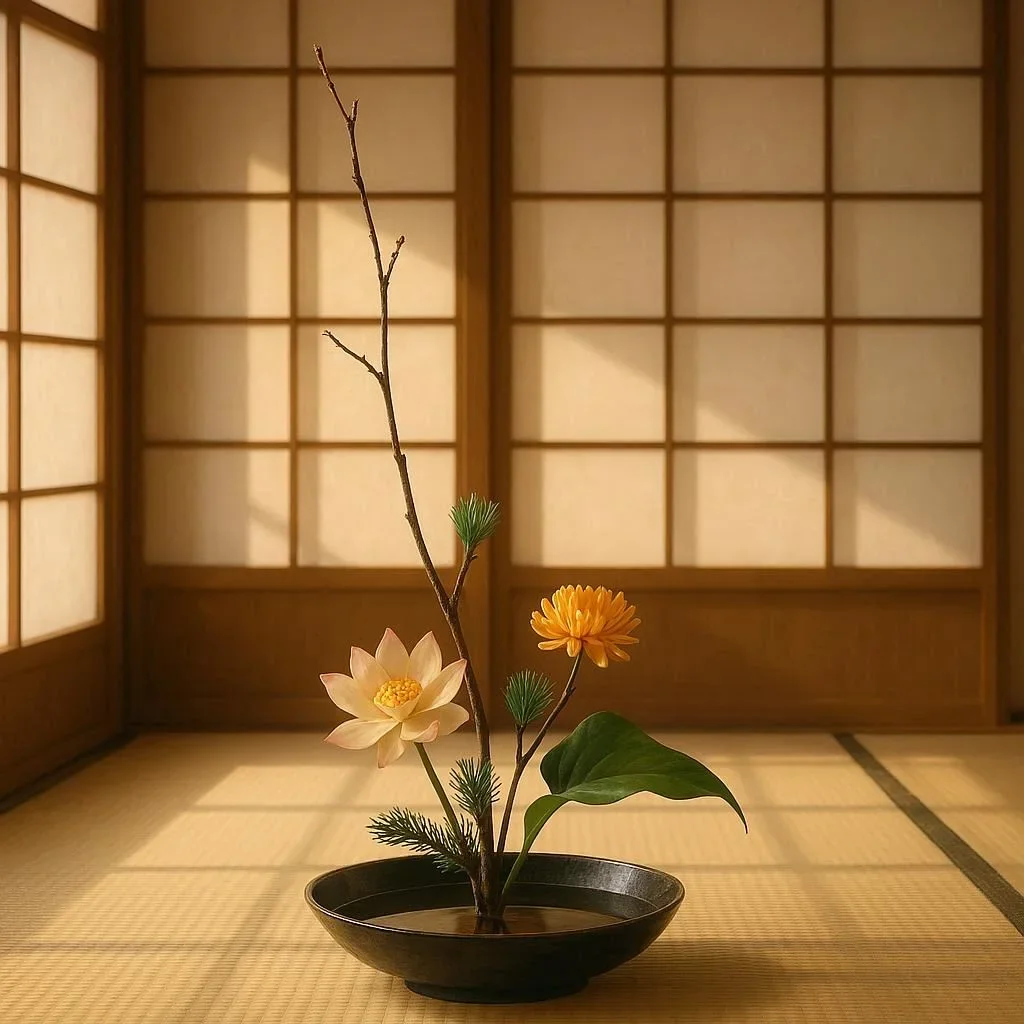
Beyond static stone and water, Japanese gardens often incorporate elements of Ikebana (flower arrangement) and Kiku‑Gami (the art of arranging potted plants). These practices echo a philosophy that life is a continuous act of creation—a story told through natural growth rather than permanence. A single Lotus flower on a tranquil pond can serve as a living metaphor for spiritual awakening. Garden designers carefully choose seasonal species to keep the narrative dynamic, ensuring every visit reveals a fresh chapter.
Design Principles that Express Cultural Mindsets
Several design conventions help Japanese gardens communicate deeper ideological layers:
- Symmetry and Balance – Even in asymmetry, a sense of equilibrium reflects harmony between human intention and nature.
- Natural Remediation – Using a garden’s native vegetation curtails land alteration, symbolizing respect for pre‑existing ecosystems.
- Controlled Viewpoints – Screens, lattices, and pavilions guide a visitor’s gaze, mirroring the Zen concept of guided meditation.
- Use of“Hidden” Features – Subtle stone arrangements or distant waterfalls encourage contemplative discovery, echoing the Buddhist lesson that truth is often unseen.
The interplay of these principles ensures that each garden becomes a living classroom, illustrating broader Japanese worldview ideas such as “mono no aware” (the awareness of impermanence) and the reverence for the transient beauty of the natural world.
Modern Adaptations and Their Cultural Significance
Contemporary architects have adapted Japanese garden concepts to urban settings, preserving the essence of cultural philosophy while accommodating modern lifestyles. In places like New York’s Bryant Park, a Japanese zen corner offers commuters a brief respite of meditation and visual harmony. These modern adaptations demonstrate the resilience and universality of Japanese garden principles, showing how they can act as sanctuaries that reconnect humans with contemplative traditions regardless of geographic boundaries. The continuous evolution of the garden form also mirrors the Japanese philosophical idea that wisdom grows from adaptation and learning.
Conclusion – Japanese Gardens stand as enduring testimonies to the country’s philosophical depth, weaving Zen meditation, wabi‑sabi aesthetics, and story‑driven design into a seamless whole. Whether you are strolling a quiet stone path or gazing at a koi-filling pond, these gardens invite you to pause, reflect, and embrace the fleeting beauty of each moment. Want to experience this harmony first‑hand? Discover a Japanese garden near you today and step into a living philosophy that transcends time.
Frequently Asked Questions
Q1. What defines a Japanese Garden?
A Japanese garden is a carefully designed landscape that reflects Japanese cultural values, often incorporating elements like stones, water, moss, and seasonal plants. It aims to evoke tranquility, contemplation, and appreciation of nature’s impermanence. The layout typically follows principles such as asymmetry, naturalness, and controlled viewpoints, ensuring visitors experience a microcosm of the broader natural world.
Q2. How does Zen influence Japanese garden design?
Zen philosophy emphasizes simplicity, meditation, and impermanence, which appear in minimalist layouts, dry rock gardens, and sparse plantings. Raked sand and gravel mimic water or mountains, inviting viewers to meditate on life’s fleeting nature. The goal is to create an environment that supports mindfulness and encourages the inner peace associated with Zen practice.
Q3. What is wabi‑sabi and how is it expressed in gardens?
Wabi‑sabi celebrates beauty in imperfection and impermanence. In gardens, this is seen through weathered stones, moss, asymmetrical pathways, and seasonal changes that remind visitors of nature’s constant rhythm. The aesthetic encourages acceptance, resilience, and a deep appreciation for transient moments.
Q4. How can modern cities incorporate Japanese garden principles?
Urban designers can use native plantings, water features, and minimalist stone arrangements to bring calm to city spaces. Small Zen corners or mosaic stepping stones provide commuters with pockets of reflection. These adaptations preserve the garden’s spirit while meeting contemporary lifestyle needs.
Q5. Where can I visit a traditional Japanese garden?
Classic gardens exist throughout Japan, such as Kenrokuen in Kanazawa, Kokedera in Kyoto, and the Ashikaga Flower Park. Internationally, many parks in the U.S., Europe, and Australia offer authentic Japanese garden experiences, including the Japanese Garden in Golden Gate Park and the Kōshū World Cultural Park in Maryland.