Japanese Gardens Cultural Significance
Japanese gardens represent one of the world’s most intricate horticultural traditions, harmoniously blending nature, spirituality, and cultural identity. These living artworks function as sacred spaces for contemplation, philosophical expression, and social rituals far exceeding mere aesthetics. For over a millennium, they have evolved intricate design languages reflecting Buddhist principles, Shinto reverence, and societal transformations. Uniquely embodying Japan’s core values of wabi-sabi (imperfect beauty) and mono no aware (sensitivity to ephemeral beauty), Japanese gardens transform landscapes into three-dimensional scroll paintings that breathe with the seasons. Their meticulous compositions transcend decoration to become philosophical statements about humanity’s relationship with nature.
Historical Development of Japanese Gardens
The evolution of Japanese gardens mirrors Japan’s cultural history, beginning with Heian-period pleasure gardens described in literary masterpieces like The Tale of Genji. Early designs adapted Chinese geomantic principles scholars confirm, before developing distinct styles during Kamakura-era Zen flourishes. Muromachi shoguns elevated garden-making to spiritual art, birthing iconic dry landscapes (karesansui) like Ryoan-ji’s rock garden. Edo period stroll gardens incorporated poetic references like Koraku-en, while Meiji-era gardens synthesized Western influences. This millennium-long refinement proves Japanese gardens function as cultural palimpsests, recording societal transitions in stone arrangements and plant selections.
Philosophical Foundations in Design
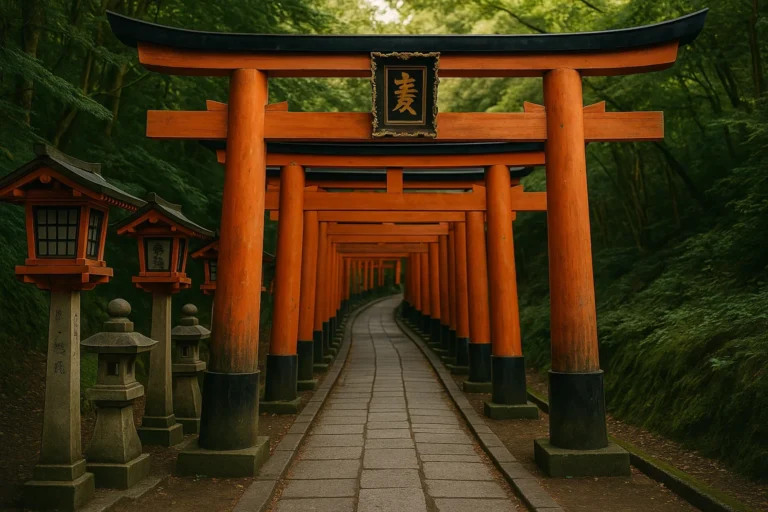
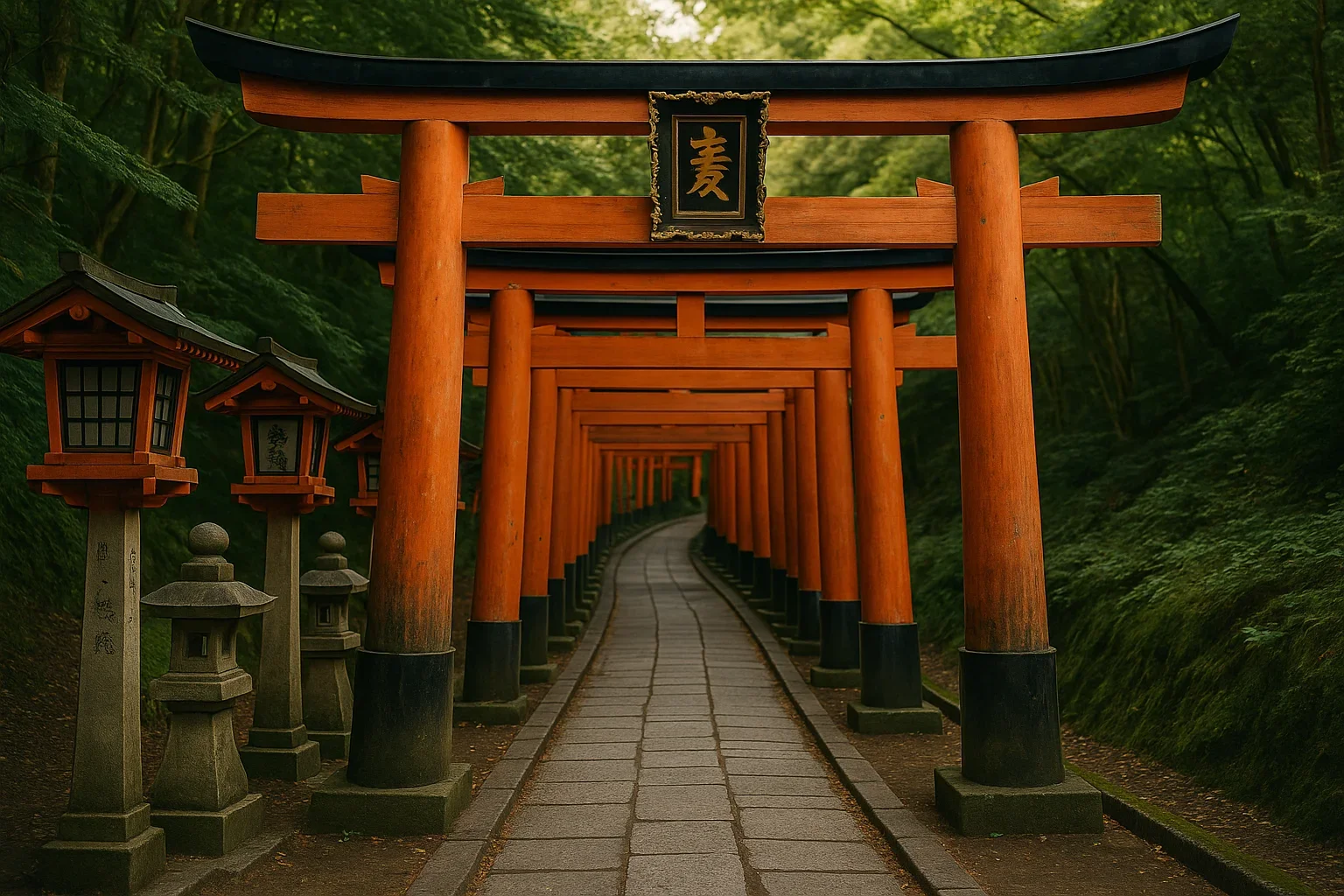
Buddhist impermanence principles manifest through deliberate imperfection—wilted leaves exemplify mono no aware, while asymmetrical stones embody fukinsei. Shinto animism appears in shrine gates bridging sacred/profane realms and rocks honored as kami dwellings. Concepts guiding every design:
- Miniaturization (hakomono) symbolizing vast landscapes
- Zen emptiness suggesting infinity
- Seasonal awareness highlighting cherry blossoms’ transience
- Controlled wildness embodying coexistence ideals
Tea master Sen no Rikyu crystallized wabi-sabi aesthetics in humble tea gardens (roji), where crooked stepping stones encouraged present-moment awareness.
Social Functions of Japanese Gardens
Historically, gardens facilitated core cultural practices: court nobles composed poetry during moon-viewing parties; samurai meditated before battles; merchants hosted elaborate tea ceremonies demonstrating aesthetic discernment. Gardens served as microcosms of society itself. Edo-period ensembles like Katsura Imperial Villa hosted theatrical performances and political negotiations amidst symbolic plantings. Public spaces like Kenroku-en became civic prides showcasing governance benevolence. Modern community gardens maintain hanami blossom-viewing traditions strengthening neighborhood bonds during festive picnics.
Symbolic Elements in Garden Culture
Every garden component communicates layered meanings: cascading waterfalls purify spirits; sand patterns (samon) echo Edo-era sea motifs; lanterns honor ancestors amid evening strolls. Pine trees (matsu) represent longevity with twisted branches symbolizing endurance. Carp-filled ponds signify perseverance as recorded in Koi breeding histories. Bridges—whether arched (taiko-bashi) or zigzag planks—serve as metaphors for life’s passing phases. The yukimi snow-viewing lantern anchors winter scenes evoking poetic loneliness (sabi).
Contemporary Cultural Preservation
UNESCO safeguards sites like Kyoto’s historic gardens as intangible heritage, while institutions like NIWA Institute train new generations in classical techniques. Corporate headquarters integrate modern interpretations to reduce urban stress, applying neuroscientific research confirming gardens’ meditative benefits. Contemporary artists repurpose traditional elements: Teshigahara Hiroshi’s bamboo installations reference ikebana dynamism. Preservation societies teach children moss-gardening at temple courtyards, ensuring transmission of botanical wisdom. Western designers increasingly adopt shakkei (borrowed scenery) principles, proving Japanese gardens’ enduring global cultural impact.
This exploration reveals Japanese gardens as multidimensional cultural archives—sanctuaries preserving spiritual wisdom through arranged stones, precisely pruned pines, and ritualized contemplation. They demonstrate how humanity can harmonize with nature while conveying complex philosophies through spatial poetry. By visiting authentic Japanese gardens—whether historic Kyoto temples or meticulously crafted local adaptations—you participate in timeless cultural dialogue, experiencing transcendence through footsteps on dew-moistened paths. Plan your journey to these living museums; discover firsthand how they cultivate profound tranquility while preserving Japan’s cultural soul.
Frequently Asked Questions
Q1. What philosophical concepts shape Japanese gardens?
Zen Buddhism’s acceptance of impermanence inspires elements like raked gravel patterns simulating water’s flow. Shinto reverence appears in rocks representing deities (kami). Taoist yin-yang polarity guides contrasting placements—hard stones beside soft moss, shadowed groves beside sunny clearings. These converge through ma (intentional emptiness), creating spaces where visitors contemplate profound connections.
Q2. How did Japanese gardens influence global architecture?
Modernists like Frank Lloyd Wright integrated shakkei borrowed scenery techniques, framing distant landscapes within structures. Postwar designers adapted Zen minimalism influencing minimalist movements. Green roofs replicate moss gardens’ humidity control, while contemplative courtyards derive from temple layouts. Notably, spatial sequencing principles transformed Western museum designs by prioritizing experiential journeys over static exhibits.