Japanese Folklore Transferred Generations
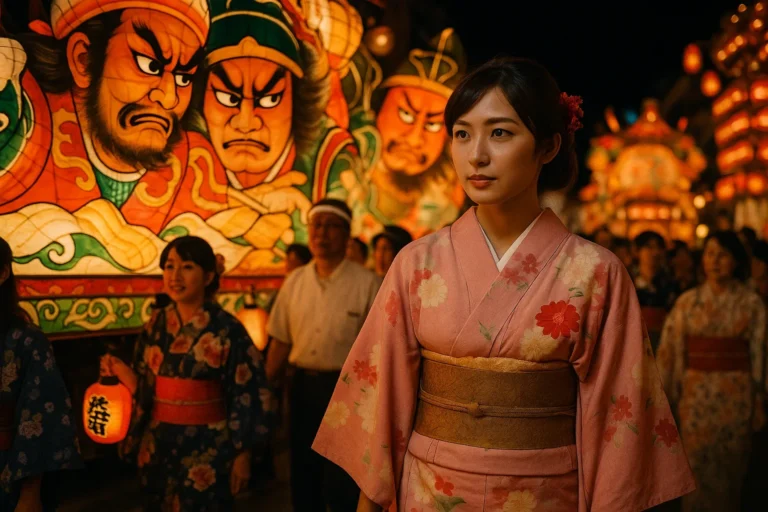
Japanese folklore, transmitted hand‑to‑hand for centuries, weaves together the myths, legends, and moral tales that have shaped Japan’s collective identity. From ancient shamanic chants to the flicker of fiery dragon lanterns, these stories endure as living relics, echoing through family kitchens, festival grounds, and modern digital screens.
Roots of Japanese Folklore
The genesis of Japanese folklore lies in the island nation’s diverse ecosystems, from mist‑shrouded mountains to bustling coastal ports. Early settlers carried with them animistic beliefs, attributing spirits—kami—to natural phenomena. These kami became protagonists in tales that explained earthquakes, rain, and the mysteries of the sea. Scholars such as Prof. Yukio Yamada at Kyoto University emphasize the syncretic blend of Shinto and Buddhist motifs that characterizes Japan’s mythic canon, a point highlighted in the comprehensive overview on Wikipedia.
Ring of Elders: Oral Storytelling
In pre‑modern Japan, oral storytelling was the cornerstone of cultural transmission. Mothers would weave tales of the kappa in river bends while grandfathers described the resilience of the samurai spirit through retelling the epic of Susanoo. The cyclical nature of these retellings allowed each generation to adapt the narrative to contemporary concerns, reinforcing social cohesion and shared moral values. The Japan‑Guide article on myths outlines how these stories were integral to seasonal festivals like Obon, where descendants remember their ancestors who ventured into the spirit realm.
Mythical Archetypes in Contemporary Culture
Japanese folklore has evolved into a vibrant tapestry that permeates modern media. Anime series such as “Naruto” reference the power of the yōkai, while manga like “Natsume’s Book of Friends” anthropomorphizes centuries of folklore into relatable characters. These cultural products re‑interpret classic figures—kitsune, tengu, and okuninushi—while staying rooted in symbolic authenticity. The Metropolitan Museum of Art’s collection contextualizes tengu within the broader East Asian mythic tradition, as seen in their feature on tengu stories.
- Kappa – water‑dwelling trickster
- Tengu – mountain‑dwelling bird‑folk
- Kitsune – shape‑shifting fox
- Yōkai – umbrella of supernatural beings
- Amaterasu – sun goddess
- Susanoo – storm kami
- Okuninushi – nation‑builder
Preservation Efforts & Digital Age
Safeguarding these oral traditions has become a national priority. The Agency for Cultural Affairs hosts the Digital Folklore Archive, which digitizes family manuscripts and oral recordings, enabling scholars and enthusiasts worldwide to access Japan’s intangible heritage. The Britannica entry on Japanese folklore underscores the importance of such digital preservation initiatives. Moreover, universities in Tokyo and Osaka collaborate on research projects that compare folklore from rural provinces—like the Kiso valley’s fox‑rituals—to those broadcast on NHK’s cultural programs. A seminal academic article, “The Continuity of Mythic Narrative in Modern Japanese Society,” published in the journal *Folklore Studies*, can be accessed via JSTOR.
These concerted efforts ensure that folklore is not merely a relic of the past but a living dialogue that adapts while preserving core values. By bringing together traditional storytellers, academic researchers, and digital media creators, Japan maintains a dynamic heritage that resonates with both domestic and global audiences.
Embrace the Living Legacy: Dive into Japanese folklore today—whether through a family hearth, a festival, or online archives—and join the global conversation that keeps these tales alive for future generations.
Frequently Asked Questions
Q1. What are the main themes found in Japanese folklore?
Japanese folklore frequently centers on kami, nature spirits, and moral lessons that guide good behavior. Many tales explain natural phenomena and instill respect for the environment. They also celebrate resilience, compassion, and the harmony between humans and the unseen world.
Q2. How has folklore been transmitted to new generations?
Traditionally, family elders told stories aloud during festivals, meals, and quiet evenings. Oral storytelling kept the plots evolving to suit contemporary concerns while preserving core values. Modern technology now adds recordings, digital archives, and online platforms.
Q3. Which folklore figures appear most in contemporary anime and manga?
Characters such as Kappa, Kitsune, and Tengu show up in series like “Naruto” and “Natsume’s Book of Friends.” Yōkai also populate modern comics, reflecting their broad cultural appeal. These modern depictions stay true to symbolic roots while letting artists reinterpret them for young audiences.
Q4. Why is digital preservation essential for Japanese folklore?
Oral traditions risk fading as elders age and never‑to‑be‑repeated practices vanish. Digital archives make stories accessible worldwide, helping scholars compare regional variations. They also allow families to share recordings of ancestors’ voices across generations.
Q5. Where can I explore more about Japanese folklore and partake in its living legacy?
Access the Agency for Cultural Affairs’ Digital Folklore Archive online. Libraries, museums, and festivals like Obon provide real‑time immersion. Reading books, watching documentaries, and even participating in community festivals deepen your understanding.