Japanese Approaches to Mental Wellbeing
Japanese Approaches to Mental Wellbeing weave together centuries of cultural wisdom, community values, and modern science to create a holistic framework for mental health. In a society where work, family, and social harmony intersect, these practices offer practical tools for stress management, emotional resilience, and overall psychological balance. By exploring traditional rituals, contemporary therapeutic methods, and the unique social fabric of Japan, readers can discover how these approaches can be adapted to support mental wellbeing in any context.
Japanese Approaches to Mental Wellbeing: The Role of Community and Social Harmony
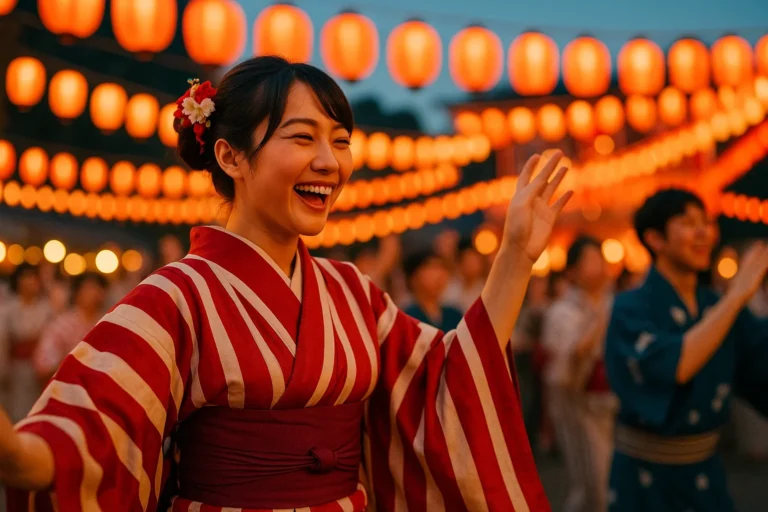
Community cohesion is a cornerstone of Japanese mental health. The concept of wa—harmonious coexistence—guides interpersonal interactions and reduces feelings of isolation. In workplaces, the practice of nemawashi (informal consensus building) encourages open dialogue before decisions are made, fostering psychological safety. Research from the Japanese Journal of Psychology shows that employees who participate in group decision-making report lower stress levels and higher job satisfaction.
- Regular team gatherings (e.g., nomikai social events) strengthen bonds.
- Community volunteer programs (e.g., neighborhood cleanup) promote a sense of purpose.
- Shared rituals, such as tea ceremonies, provide mindfulness moments.
- Collective problem‑solving reduces individual burden.
Japanese Approaches to Mental Wellbeing: Traditional Practices for Mindfulness and Balance
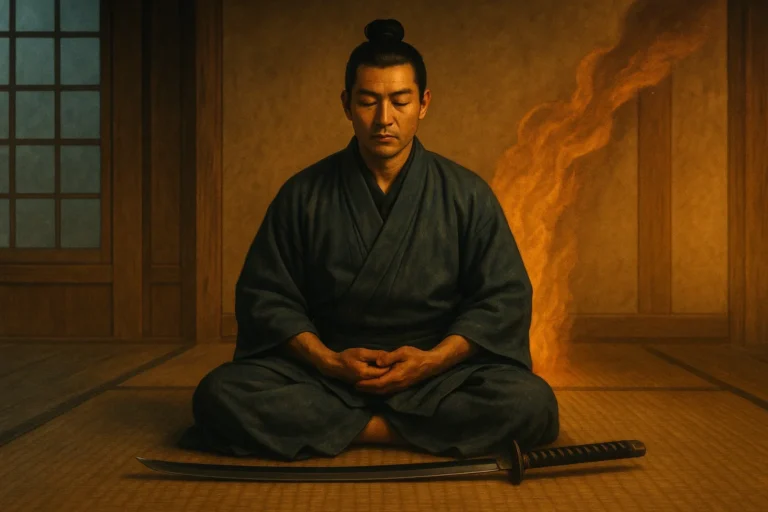
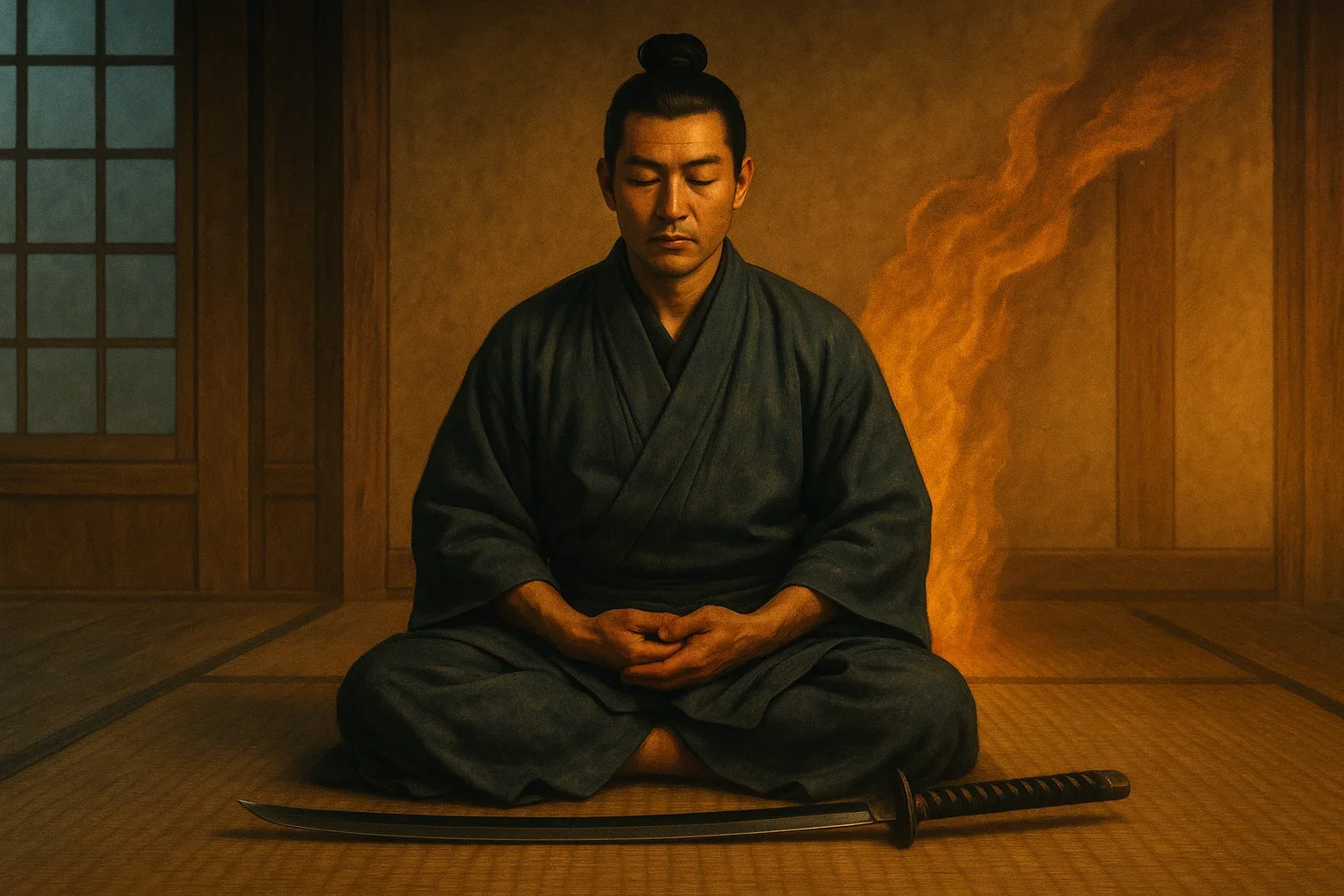
Mindfulness has deep roots in Japanese culture, evident in practices like zazen (seated meditation) and shikantaza (just sitting). These techniques cultivate present‑moment awareness, a key component of modern stress‑reduction programs. According to a study published by the National Institutes of Health, regular meditation can lower cortisol levels and improve emotional regulation.
Other traditional practices include:
- Ikigai—the pursuit of a life purpose—helps individuals find meaning beyond daily routines.
- Shinrin‑yoku (forest bathing) encourages immersion in nature, which has been linked to reduced anxiety.
- Onsen culture—public hot springs—provides communal relaxation and social connection.
- Seasonal rituals (e.g., cherry blossom viewing) align personal cycles with natural rhythms.
Japanese Approaches to Mental Wellbeing: Modern Therapy and Evidence‑Based Interventions
While tradition remains influential, Japan has embraced evidence‑based therapies such as Cognitive Behavioral Therapy (CBT) and Acceptance and Commitment Therapy (ACT). The Ministry of Health, Labour and Welfare’s official portal lists nationwide mental health initiatives that integrate these modalities with cultural sensitivity.
Key features of Japan’s modern mental health system include:
- Accessible community counseling centers offering free or low‑cost services.
- School‑based mental health programs that teach coping skills to adolescents.
- Tele‑mental‑health platforms that reduce stigma and increase reach.
- Collaborations between psychiatrists and traditional healers to provide holistic care.
Japanese Approaches to Mental Wellbeing: Lifestyle Design for Sustainable Resilience
Daily habits in Japan—such as the practice of hygge‑like coziness, balanced nutrition, and structured sleep schedules—contribute to psychological stability. The Japanese diet, rich in fish, seaweed, and fermented foods, supports gut health, which recent research links to mood regulation. A study from the Japanese Journal of Psychology found that individuals following traditional dietary patterns reported lower rates of depression.
Incorporating these lifestyle elements can be as simple as:
- Eating a balanced meal with a variety of colors and textures.
- Setting a consistent bedtime routine to ensure 7–8 hours of sleep.
- Engaging in brief daily stretches or walking to maintain physical health.
- Allocating time for creative hobbies, such as calligraphy or gardening.
Conclusion: Embrace Japanese Approaches to Mental Wellbeing for a Balanced Life
Japanese Approaches to Mental Wellbeing illustrate how cultural values, traditional practices, and modern science can converge to support mental health. By fostering community, practicing mindfulness, integrating evidence‑based therapies, and designing resilient lifestyles, individuals can cultivate emotional equilibrium and reduce stress. Whether you’re seeking to enhance your own wellbeing or support others, these principles offer a roadmap for sustainable mental health.
Take the first step today: explore Japanese Approaches to Mental Wellbeing and transform your mental health journey.
Frequently Asked Questions
Q1. What is the concept of “wa” and how does it influence mental wellbeing in Japan?
“Wa” refers to harmonious coexistence and is a core value in Japanese society. It encourages people to prioritize group harmony over individual conflict, which can reduce feelings of isolation and stress. By fostering a sense of belonging, “wa” helps individuals feel supported and less overwhelmed by personal challenges. This cultural emphasis on collective well‑being is reflected in community activities, workplace practices, and social rituals that promote mutual care.
Q2. How does “nemawashi” help reduce workplace stress?
“Nemawashi” is an informal consensus‑building process that involves gathering input from stakeholders before formal decisions are made. It creates psychological safety by allowing employees to voice concerns and suggestions early on. This transparency reduces uncertainty and the pressure of last‑minute changes, leading to lower stress levels and higher job satisfaction. Studies in Japanese companies show that teams practicing “nemawashi” report better mental health outcomes.
Q3. What are the benefits of Shinrin‑yoku?
Shinrin‑yoku, or forest bathing, involves immersing oneself in nature to promote relaxation and mindfulness. Research indicates that it lowers cortisol levels, reduces blood pressure, and improves mood. The practice also encourages physical movement and sensory engagement, which can boost overall wellbeing. Many Japanese people incorporate Shinrin‑yoku into their weekly routines to counteract urban stress.
Q4. How is CBT adapted in Japan to respect cultural values?
Japanese CBT programs often integrate traditional concepts such as “ikigai” (life purpose) and “wa” (harmony) into therapeutic goals. Therapists may use group sessions or family involvement to align with collectivist norms. Additionally, language and examples are tailored to resonate with Japanese cultural references, making the approach more relatable and effective. This blend of evidence‑based techniques with cultural sensitivity enhances treatment adherence.
Q5. What lifestyle habits can I adopt from Japanese culture to improve mental health?
Adopting a balanced diet rich in fish, seaweed, and fermented foods supports gut health, which is linked to mood regulation. Establishing a consistent sleep schedule of 7–8 hours and incorporating short daily stretches or walks can improve physical and mental resilience. Engaging in creative hobbies like calligraphy or gardening provides a mindful outlet. Finally, setting aside time for social rituals, such as tea ceremonies or community gatherings, fosters connection and reduces loneliness.
Related Articles
- Japan’s Growing Focus on Mental Health: Trends and Initiatives
- The Impact of Shinrin‑yoku on Stress Reduction: A Randomized Controlled Trial
- How Japanese Tea Ceremonies Promote Mindfulness and Wellbeing
- Onsen Culture: The Healing Power of Japanese Hot Springs
- Integrating Traditional Practices with CBT in Japan