Explore Traditional Japanese Crafts
Traditional Japanese crafts have long been celebrated for their intricate artistry, meticulous attention to detail, and the deep philosophical principles they embody. From the fragile beauty of kintsugi to the disciplined elegance of the tea ceremony, each craft reflects Japan’s reverence for nature, sustainability, and the concept of wabi‑sabi—finding value in imperfection. Visiting a local studio or museum can reveal how these time-honored techniques are still practiced today, offering a living window into a culture that values both heritage and innovation.
The Essence of Craftsmanship in Japan
At the heart of every traditional craft is a philosophy that turns everyday materials into objects of contemplation. The Japanese concept of monozukuri, or “craftsmanship,” emphasizes continual improvement and dedication to mastery. This ethos is evident in the national designation of “Living National Treasures,” where artisans preserve age-old skills and transmit them to future generations. The Japanese Ministry of Culture’s list of Intangible Cultural Properties provides insight into the official recognition of these traditions, ensuring they remain integral to contemporary cultural identity.
Kintsugi: The Art of Mending Broken Clay
Kintsugi, literally “golden joinery,” is a striking metaphor for resilience and acceptance. When a ceramic pot fractures, instead of discarding it, the artisan fills the cracks with lacquer mixed with powdered gold, silver, or platinum. The technique not only repairs but also celebrates the object’s history, turning damage into a point of intrigue and beauty. This process echoes the philosophical notion of kintsugi being a reminder that imperfection can foster growth and value. The complete practice of kintsugi is thoroughly documented on Wikipedia’s Kintsugi page, offering both historical context and modern applications.
Rotating Seasons: Traditional Textiles & Kimono
Japanese textiles such as silk kimono, kimono fabric, and tatami weave cultural stories into every thread. The techniques of origami and shibori dyeing demonstrate how texture, color, and form can be manipulated through fundamental principles of geometry and balance. The intricate patterns often reflect seasonal motifs—cherry blossoms in spring or maple leaves in autumn—reinforcing the cultural reverence for natural cycles. For a deeper dive into the technicalities, the ECW website hosts a detailed overview of traditional textile production processes, illustrating how artisans maintain authenticity while embracing technological advancements.
Paper, Calligraphy, and Origami: Light and Precision
Paper-making, often associated with the ancient art of origami, highlights Japan’s mastery of precision. The delicate manipulation of heavy kraft paper can yield both fluid sculpture and imposing structures, mirroring the discipline observed in calligraphy where each stroke is an act of controlled spontaneity. These arts converge on the principle of minimalism—each element is purposeful and deliberate. Traditional Japanese ink wash (suiboku-ga) pairs seamlessly with origami, as both rely on the subtle interplay between darkness and light. For those looking to understand the origins of dividing paper, Wikipedia’s origami entry offers extensive background.
Ceramics, Lacquerware, and the Journey to Modern Design
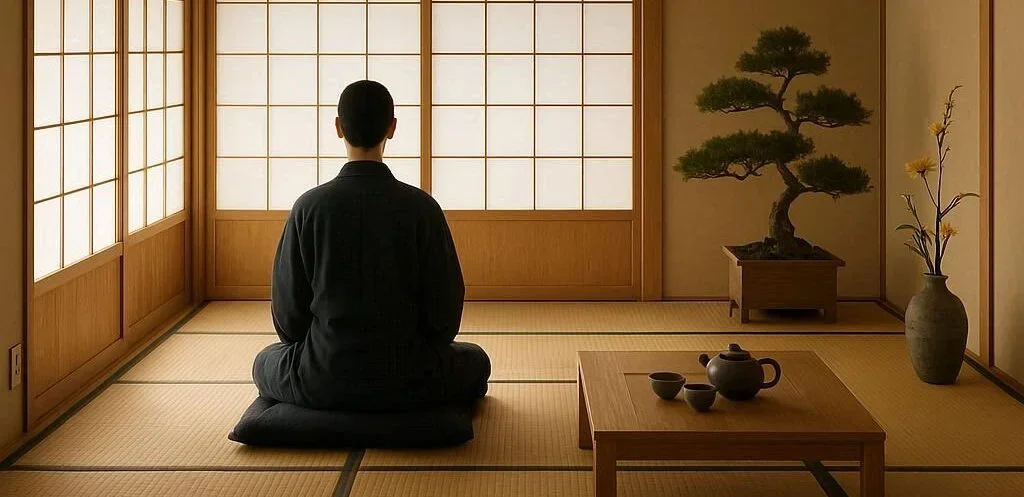
Beyond the aesthetic, Japanese artisans have historically pioneered functional yet artistic objects. From imari” glazed porcelain known for its bold cobalt accents to urushi lacquerware that achieves extraordinary patina, the techniques have kept pace with Western industrial developments, yet remain rooted in tradition. The tea ceremony, grounded in Zen principles, encapsulates the convergence of these crafts. Here, the careful selection of tea bowls, brushes, and even room layout demonstrates the relationship between environment and experience. For a scholarly analysis of the ceremony’s evolution, explore the Britannica entry on tea ceremony, which traces its philosophical and cultural foundations.
Throughout the narrative of Japanese culture, crafts serve as bridges between past and future. From the shattering and mending of pottery to the rhythmic strokes of ink on rice paper, these customs embody a worldview deeply attuned to both change and constancy. Whether you’re a seasoned enthusiast or a curious newcomer, immersing yourself in these traditions invites an appreciation that transcends mere aesthetics.
Experience the enduring beauty of Japan’s traditional crafts by visiting a local museum or enrolling in a hands‑on workshop. Embrace the art of the imperfect, the elegance of precision, and the stories inked into every masterpiece. Begin your journey today—every pane, every fold, every glaze whispers a legacy waiting to be discovered. Start your exploration now!
Frequently Asked Questions
Q1. What defines a traditional Japanese craft?
Traditional Japanese crafts are artisanal practices rooted in centuries of cultural heritage. They are distinguished by meticulous techniques and a deep philosophical intent. Artisans use natural materials, honoring the harmony between nature and human skill.
Q2. How can I experience these crafts first‑hand?
Many Japanese studios, museums, and workshop programs allow visitors to observe artisans at work. Attendees can also try hands‑on sessions, creating their own small pieces under guidance. Immersive experiences provide insight into the craft process and cultural context.
Q3. Are there living protectors of these crafts?
Yes. The Japanese Ministry of Culture designates “Living National Treasures,” artisans who master and transmit skills to future generations. They preserve intangible cultural properties, ensuring continuity of age‑old techniques. Their work is celebrated in national exhibitions and teaching programs.
Q4. What is the philosophical significance of kintsugi?
Kintsugi embodies the idea of wabi‑sabi, turning brokenness into beauty. By joining cracks with gold, the technique emphasizes resilience and the value added by history. It teaches acceptance of imperfection and appreciation of a piece’s journey.
Q5. How do Japanese textiles reflect seasonal changes?
Kimono and silk patterns often feature motifs such as cherry blossoms in spring or maple leaves in autumn. These designs illustrate the culture’s deep connection to natural cycles. Seasonal textiles become a visual record of nature’s rhythm across the year.