Early Social Groups Shaping Yakuza Culture
The origins of the Yakuza, a term that has become synonymous with Japan’s organized crime, can be traced far back to informal social groups that existed centuries ago. From guilds of blacksmiths in rural villages to clandestine maritime crews, these early collectives evolved into the structured hierarchies and cultural rituals that define Yakuza culture in the 21st century. In this article, we examine how these distinct social formations laid the groundwork for modern Japanese organized crime, drawing on historical records, academic research, and credible online sources.
Rural Blacksmiths and the Birth of Underground Trade
During the Edo period (1603–1868), Japan’s agricultural society was heavily reliant on ironworking for farming tools and samurai armaments. The guilds of blacksmiths—known as eki-yo—not only provided skilled labor but also developed a network of trust and secrecy. Records from the period reveal that these artisans would discreetly exchange metal scraps and trade information related to government edicts, often escaping the supervision of feudal lords. Over time, the blacksmith guild’s clandestine communication began to resemble a proto‑criminal infrastructure, where loyalty to the group superseded individual gain. This early model of interdependence and operational secrecy is echoed in contemporary Yakuza practices, where members pledge lifelong allegiance to their syndicate.
- Skill specialization—blacksmiths’ mastery over iron forged reputation.
- Covert information networks—protected trading secrets.
- Layered hierarchy—senpai (senior) and kohai (junior).
- Ritual codes—maintaining order through personal codes of conduct.
For more on the historical role of artisans in Japan’s social fabric, see Yakuza, which discusses the guild lineage that influenced the modern syndicate structure.
Pirate Mariners: From Sea Raiders to Organized Gangs
Japan’s coastlines were not only economic arteries but also launchpads for piracy. In the 16th and 17th centuries, groups of seafaring raiders, known as karakuze, engaged in coastal raids, plundering merchant ships and neighboring villages. These sea raiders were loosely connected by mutual interests rather than formal organization, yet their collective identity was powerful enough to attract followers from disaffected samurai and commoners. As the Tokugawa shogunate sought to quell piracy, many former karakuze were turned over to official maritime police, who again re‑packaged them as law enforcement, while some fled to open markets to continue illicit activities.
The transition from pirate raids to structured syndicates involved adopting disciplinary rituals—such as ceremonial knife rituals and symbolic tattoos—similar to those recorded in contemporary Yakuza initiation rites. The maritime origins also give rise to the Yakuza’s enduring affinity for river and coastal symbolism within their logos and insignias. To explore the broader historical context of maritime crime in Japan, read the detailed analysis on Yakuza origins.
Sumo Tournaments and the Rise of Shōshunen Networks
Sumo, Japan’s national sport, has deep roots in Shinto rituals and traditional wrestling. However, during the Edo period, sums *tournaments became entertainment hubs for gamblers, merchants, and street gangs. One subculture that emerged was the Shōshunen (Senior Sumo Wrestler) group, a covert network that used sumo gyms as front for betting syndicates and illicit currency exchanges. These wrestlers cultivated a reputation for physical dominance and cunning, traits that were directly transferred into early organized crime when they retired from the ring.
The influence of Shōshunen on Yakuza culture is evident in several aspects:
- Weapon training—sumo’s emphasis on clinch and grapple techniques.
- Physical codes—respect for the sumo belt hierarchy mirrored Yakuza clan structures.
- Financial networks—sumo betting rings evolved into early loan‑shark operations.
For a deeper look at Shōshunen’s impact on modern gang culture, consult the comprehensive academic paper on Shōshunen.
Early Political Intrigue: Samurai Retainers and Modern Crime
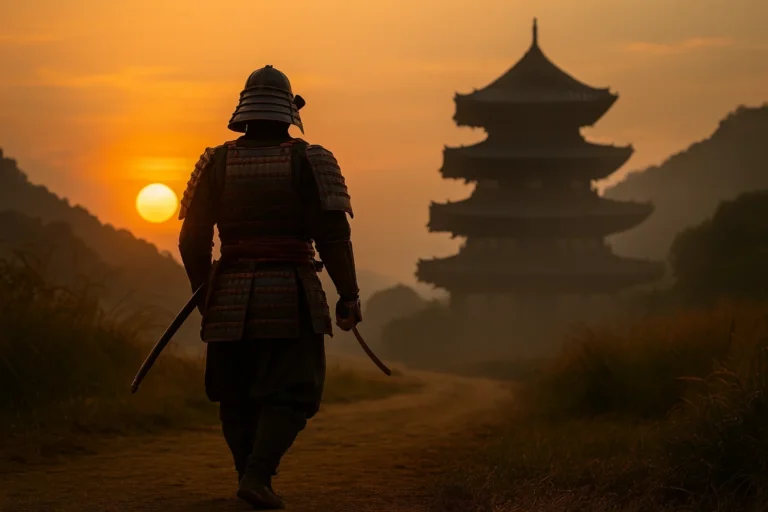
After the Tokugawa shogunate’s consolidation of power, many samurai found themselves unemployed. Retainers, bound by bushido loyalty, turned to umbrella organizations for survival. These shadow groups operated in the margins of official society, providing services from bodyguard work to “tax collection” among the peasantry—actions that the state either ignored or co-opted. The language of honor and the emphasis on chain‑of‑command translated seamlessly into the Yakuza’s hierarchical family, known as ryu (family). The concept of “family” within the Yakuza—centrally connected to the oya or boss—draws directly from samurai clan structures.
In modern times, former samurai offshoots were absorbed into growing Yakuza syndicates, infusing the organization with cultural rituals such as chūyo (a throat-splitting knife test) and gyōsha (a ceremony signifying entry into the criminal fraternity). These practices cemented the Yakuza’s image as a disciplined, almost religious collective.
For additional insight into samurai influence on organized crime, see the scholarly review hosted by the University of the History of Japanese Studies.
Key Transitions: How Early Groups Became Yakuza
Below is a concise overview of how each early social group contributed to Yakuza evolution:
- Guilds of Blacksmiths: Established foundational hierarchies and secret trade practices.
- Maritime Raiders: Introduced the blending of exhibitionistic codes and symbolic tattoos.
- Shōshunen Networks: Provided physical conditioning and coded financial operations.
- Samurai Retainers: Transferred bushido ethics and family loyalty to the syndicates.
Conclusion: From Village Blacksmiths to Corporate‑Sized Syndicates – The Continuous Legacy of Yakuza Culture
Tracing Yakuza culture back to these disparate early social groups reveals a story of adaptation, resilience, and an enduring quest for identity. Although today’s Yakuza syndicates are intertwined with legitimate businesses and complex global networks, their core ethos of loyalty, secrecy, and hierarchical discipline remains rooted in centuries of humble, often illicit, community formations. Understanding this historical lineage is essential for anyone studying modern Japanese organized crime, as the legacy continues to influence policy, popular culture, and law enforcement strategies worldwide.
Curious to learn more? Visit the official Japanese government portal at Japan.gov for up‑to‑date statistics on organized crime, and subscribe to our newsletter for deeper analyses and exclusive reports on Yakuza culture. Take the next step in your research and delve beyond the headlines—knowledge is your best defense.
Frequently Asked Questions
Q1. What were the earliest social groups that contributed to the formation of the Yakuza?
Early Edo‑period guilds of blacksmiths, coastal pirate crews, sumo wrestling networks, and samurai retainers all developed secrecy, loyalty, and informal hierarchies. These loose collectives formed the groundwork for what would evolve into organized crime, creating coded communication, ritualized initiation, and a sense of brotherhood. Over decades, the structures and values echoed in modern Yakuza syndicates. Each group’s survival strategy in a changing political landscape helped cement their practices into the criminal culture that persists today.
Q2. How did guilds of blacksmiths influence Yakuza hierarchy?
The blacksmith guilds established a layered senior‑junior (senpai‑kohai) relationship that mirrored the Yakuza’s family and lineal system. Skill specialization gave the guilds prestige, and the close‑knit secrecy in trading metal scraps became a model for covert business operations. Apprenticeship taught respect for authority and disciplined conduct, which Yakuza members now enforce through rituals and code. Thus, the guild structure provided both a template and a cultural touchstone for later organized crime families.
Q3. What role did piracy play in Yakuza rituals?
Pirate crews, or karakuze, introduced maritime symbolism, ceremonial knife rites, and tattoo motifs into early gang culture. These elements are still visible in Yakuza initiation ceremonies and logos that reference rivers and waves. The pirate mindset of outsider resilience blended with the disciplined structure of guilds, producing a unique blend of rebellion and ritual. Consequently, maritime heritage remains an identifiable motif within Yakuza insignias and lore.
Q4. In what ways did sumo wrestling networks feed into organized crime?
Sumo gyms functioned as fronts for betting rings and money‑laundering operations, encouraging strong physical conditioning and a strict belt hierarchy among members. Yakuza recruitment often drew former wrestlers who carried their grappling strength into violent enforcement roles. Likewise, the honor codes that govern sumo—respect, discipline, and loyalty—were adopted and amplified in Yakuza codes of conduct. These parallels help explain the muscle and moral framework present in contemporary syndicates.
Q5. How did samurai retainers transform into Yakuza families?
Unemployed samurai retainer groups turned to shadow organizations for survival, creating a culture of loyalty, chain‑of‑command, and bodyguard services that mirrored clan politics. Their bushido ethics blended with guild secrecy to produce a disciplined yet flexible operational model. Over time, these principles merged into Yakuza family hierarchies (ryū) and ceremonial rites such as chūyo and gyōsha. The samurai foundation thus continues to shape the identity and operational ethos of modern Japanese organized crime.