Balance in Japanese Daily Life
Balance in Japanese Daily Life is more than a fleeting trend; it is a deeply rooted philosophy that permeates every facet of the culture, from the quiet rituals of morning tea to the bustling rhythm of city streets. Rooted in centuries of Zen practice, wabi‑sabi aesthetics, and a reverence for seasonal change, this philosophy teaches that harmony arises when we consciously align our actions, thoughts, and surroundings. By exploring how balance manifests in homes, workplaces, consumption habits, and seasonal observances, we can uncover practical lessons that enrich our own routines and foster a more mindful, sustainable way of living.
Balance in Japanese Daily Life: Harmony in the Home
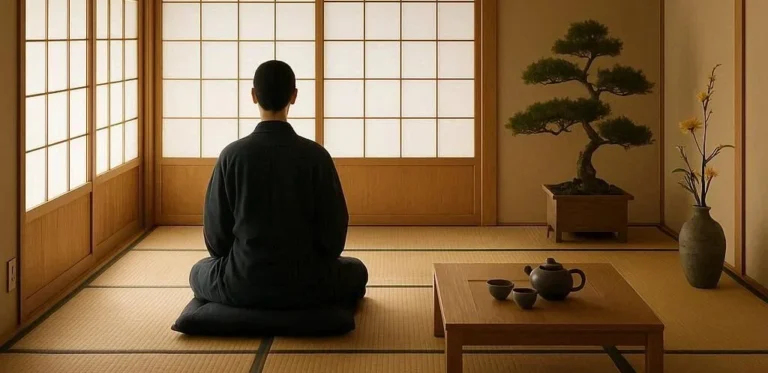
In Japan, the home is a sanctuary where balance is cultivated through design, routine, and mindful presence. The concept of ma—the intentional space between objects—creates a visual and psychological equilibrium that encourages calmness. Traditional Japanese architecture often features sliding screens (shoji), tatami mats, and low tables, all arranged to promote fluid movement and a sense of openness. These elements embody the principle that less is more, allowing occupants to focus on the present moment without distraction.
Daily rituals such as the tea ceremony (茶道, sadō) exemplify balance in practice. Participants move slowly, breathe deliberately, and engage all senses, turning a simple act of drinking tea into a meditative experience. The ceremony’s emphasis on harmony, respect, and tranquility reflects the broader cultural value of wa—social cohesion achieved through mutual consideration. By integrating such rituals into everyday life, Japanese households maintain a steady rhythm that supports emotional well‑being and interpersonal harmony.
Balance in Japanese Daily Life: Work-Life Equilibrium
Japan’s work culture is famously intense, yet many companies are now embracing strategies that promote balance. The concept of ikigai—a reason for being—guides employees to align their professional roles with personal passions, fostering a sense of purpose that transcends mere productivity. Initiatives such as flexible scheduling, remote work options, and mandatory vacation days are gaining traction, reflecting a shift toward sustainable work practices.
Moreover, the practice of shushoku shakai (社会的な仕事, social work) encourages employees to view their roles as part of a larger community. By prioritizing teamwork over individual accolades, organizations create environments where balance is not a luxury but a foundational principle. This approach aligns with the Zen notion of interdependence, reminding us that personal success is intertwined with collective well‑being.
Balance in Japanese Daily Life: Mindful Consumption
Japanese consumers often exhibit a profound respect for resources, a mindset that stems from the wabi‑sabi appreciation of imperfection and impermanence. This philosophy encourages mindful consumption, where items are chosen for their utility, beauty, and longevity rather than fleeting trends. The practice of mottainai—a sense of regret over waste—further reinforces responsible stewardship of the environment.
In everyday life, this translates to habits such as:
- Choosing reusable containers and avoiding single‑use plastics.
- Repairing rather than discarding broken items.
- Supporting local artisans and seasonal produce.
- Adopting minimalist wardrobes that prioritize quality over quantity.
- Participating in community sharing programs like kōshō (共生, coexistence).
These practices not only reduce ecological footprints but also cultivate a sense of gratitude and intentionality, reinforcing the broader cultural commitment to balance.
Balance in Japanese Daily Life: Seasonal Rhythm
Japan’s four distinct seasons provide a natural framework for balancing life’s cycles. Seasonal festivals—hanami (花見, cherry‑tree viewing), obon (お盆, ancestral remembrance), and otsukimi (お月見, moon viewing)—invite communities to pause, reflect, and celebrate the transient beauty of nature. These events embody the Zen principle of impermanence, reminding participants that change is constant and that equilibrium is found in acceptance.
In addition to communal celebrations, individuals observe personal rituals that align with seasonal shifts. For example, the practice of kōyō (紅葉, autumn leaf viewing) encourages mindful walking through forests, fostering a connection between body, mind, and environment. By attuning to the natural calendar, Japanese people maintain a rhythm that supports physical health, emotional resilience, and social cohesion.
Conclusion: Embrace Balance in Japanese Daily Life
Balance in Japanese Daily Life is not a static ideal but a dynamic practice that invites continuous reflection and adaptation. By integrating principles such as ma, ikigai, mottainai, and seasonal awareness into our routines, we can cultivate a more harmonious, mindful existence. Whether you’re redesigning your living space, rethinking work habits, or adopting sustainable consumption, the Japanese model offers timeless insights that resonate across cultures.
Ready to transform your routine? Discover how Balance in Japanese Daily Life can elevate your everyday experience—subscribe now and start your journey toward harmony.
For further exploration, consider these authoritative resources:
Frequently Asked Questions
Q1. What is the core philosophy behind balance in Japanese daily life?
Balance in Japanese daily life is rooted in Zen, wabi‑sabi, and the concept of wa. It emphasizes harmony between people, nature, and the built environment. By aligning actions, thoughts, and surroundings, individuals cultivate a calm, mindful existence. This philosophy permeates rituals, design, and social interactions across the country.
Q2. How does the concept of ma influence home design?
Ma refers to the intentional space between objects, creating visual and psychological equilibrium. In Japanese homes, sliding screens, tatami mats, and low tables are arranged to promote fluid movement and openness. This layout encourages occupants to focus on the present moment without distraction, fostering a sense of calm and balance.
Q3. What workplace practices promote balance in Japan?
Many companies now adopt flexible scheduling, remote work options, and mandatory vacation days. The idea of ikigai guides employees to align their roles with personal passions, while shushoku shakai encourages teamwork over individual accolades. These practices reflect a shift toward sustainable work habits and collective well‑being.
Q4. How does mindful consumption reflect wabi‑sabi?
Wabi‑sabi values imperfection and impermanence, leading to a preference for items that are useful, beautiful, and durable. Mindful consumption includes choosing reusable containers, repairing broken goods, and supporting local artisans. The principle of mottainai further discourages waste, reinforcing responsible stewardship of resources.
Q5. How do seasonal festivals help maintain equilibrium?
Seasonal festivals such as hanami, obon, and otsukimi invite communities to pause and reflect on nature’s cycles. They embody the Zen principle of impermanence, reminding participants that change is constant. By aligning personal rituals with the natural calendar, individuals nurture physical health, emotional resilience, and social cohesion.