Ancient Samurai Martial Drills Reconstructed
Ancient Samurai Martial Drills Reconstructed offers a fascinating glimpse into the disciplined training that forged Japan’s legendary warriors. By meticulously piecing together historical manuscripts, battlefield accounts, and surviving sword‑technique manuals, modern scholars and martial artists can now experience the same rigorous drills that once shaped the samurai’s skill, mindset, and honor. This article explores the historical backdrop, the reconstruction process, the core drills themselves, and how these time‑tested exercises can enrich contemporary martial practice.
Historical Context: The Samurai’s Path to Mastery
Samurai training was not a casual hobby; it was a lifelong commitment rooted in the Bushidō code, which emphasized courage, loyalty, and self‑discipline. The earliest references to samurai drills appear in the Heian period (794–1185), where warriors practiced basic swordsmanship and archery. By the Kamakura era (1185–1333), the Kenjutsu manuals—such as the Kenjutsu treatises—began to codify specific techniques and drills. These texts, often written in kanbun (classical Chinese), were later translated into modern Japanese, allowing contemporary researchers to decode the drills’ intent and structure.
Reconstruction Methodology: From Scroll to Practice
Reconstructing ancient samurai drills requires a multidisciplinary approach. Historians first analyze primary sources—manuscripts, battlefield reports, and contemporaneous diaries—to identify recurring patterns. Next, martial arts scholars compare these patterns with surviving Kendo and Judo techniques that trace their lineage to samurai practice. Finally, experimental archaeology teams test the drills in controlled environments, adjusting for modern safety while preserving authenticity.
- Textual Analysis: Deciphering ancient scripts and cross‑referencing multiple sources.
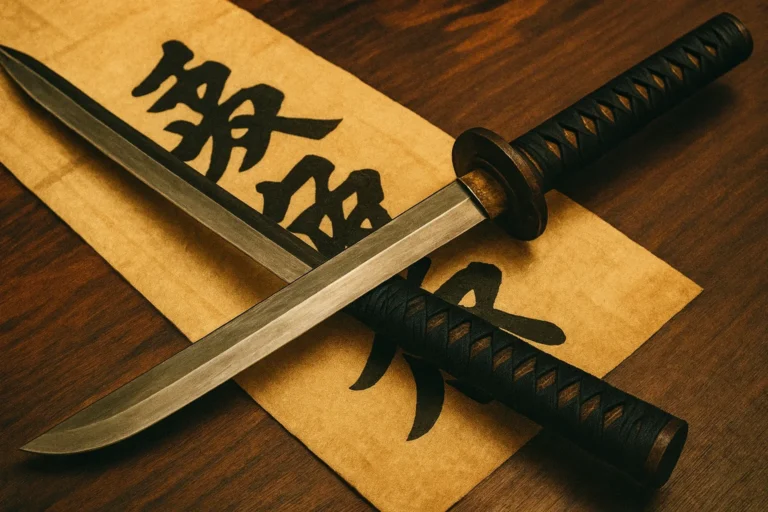
- Physical Simulation: Using period‑accurate swords (bokken) and armor to gauge movement dynamics.
- Biomechanical Study: Applying modern motion‑capture technology to validate historical claims about speed and balance.
- Peer Review: Collaboration with universities such as the University of Tokyo’s Department of Japanese Studies to ensure academic rigor.
Key Drills and Techniques: The Core of Samurai Discipline
Below are five foundational drills that were central to samurai training. Each drill emphasizes a distinct aspect of combat readiness—speed, precision, endurance, and mental focus.
- Shinobi‑Kata (Shadow Kata): A solo routine that trains footwork and blade handling through repetitive, flowing movements. Practitioners perform 30 repetitions, focusing on maintaining a steady breathing rhythm.
- Jō‑Kata (Stick Kata): Using a wooden staff, this drill develops striking accuracy and distance control. The sequence includes 12 strikes, 8 blocks, and 4 counter‑attacks.
- Hōjō‑Kata (Sword‑Shield Kata): Combines a sword and a small shield to simulate battlefield scenarios. Practitioners practice 20 defensive blocks followed by 15 offensive thrusts.
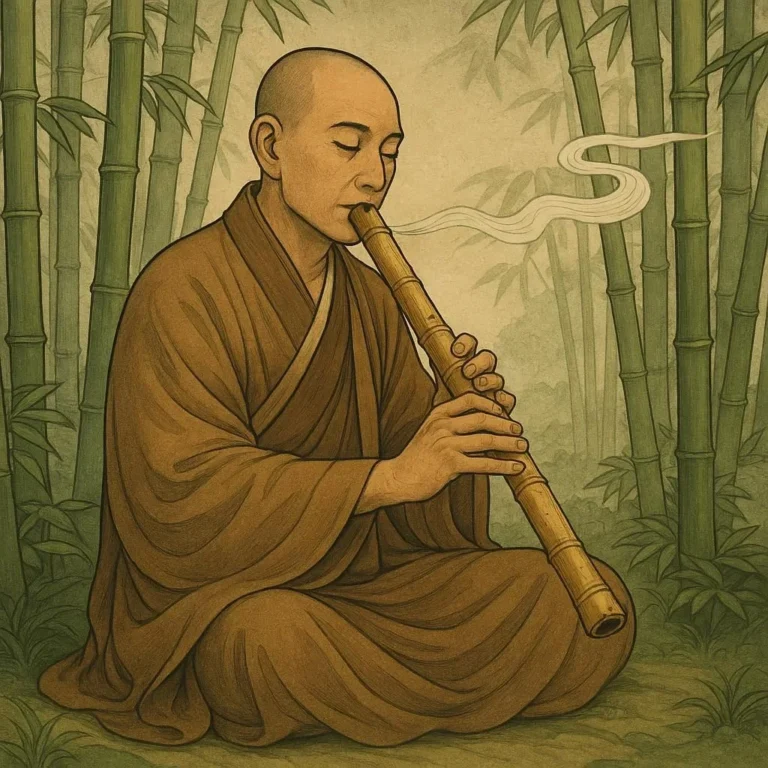
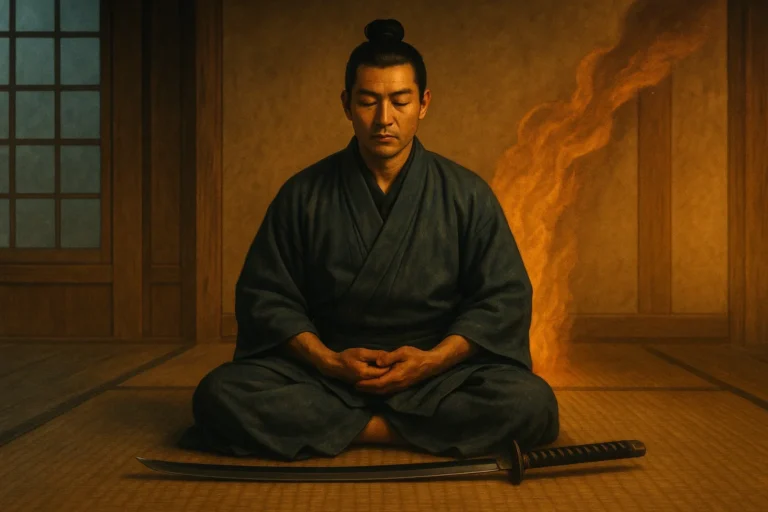
- Kyō‑Kata (Mind‑Body Kata): A meditative drill that pairs slow, deliberate movements with focused breathing, fostering mental resilience.
- Taikyoku‑Kata (Basic Kata): The foundational set of movements that all samurai learned before advancing. It includes 10 basic strikes, 5 blocks, and 3 retreats.
Each drill is designed to build specific attributes: Shinobi‑Kata hones agility; Jō‑Kata enhances striking precision; Hōjō‑Kata develops defensive coordination; Kyō‑Kata cultivates mental fortitude; and Taikyoku‑Kata establishes a solid technical base.
Modern Applications: Integrating Samurai Drills into Contemporary Training
Today’s martial artists, athletes, and even corporate teams can benefit from the disciplined structure of samurai drills. In sports, the footwork patterns of Shinobi‑Kata translate into improved agility drills for soccer and basketball. In self‑defense courses, the Jō‑Kata’s emphasis on distance control informs effective striking strategies. Corporate wellness programs can adopt Kyō‑Kata’s breathing techniques to reduce stress and enhance focus during high‑pressure meetings.
Moreover, the samurai’s holistic approach—combining physical, mental, and ethical training—offers a blueprint for modern personal development. By integrating these drills into daily routines, practitioners can cultivate resilience, discipline, and a deeper appreciation for cultural heritage.
Conclusion: Embrace the Samurai Spirit Today
Ancient Samurai Martial Drills Reconstructed not only revives a lost art but also provides timeless lessons in dedication, precision, and inner strength. Whether you’re a seasoned martial artist, a fitness enthusiast, or simply curious about Japan’s rich warrior tradition, these drills offer a pathway to personal growth and mastery.
For further reading, visit the Japan Guide on samurai history, the Britannica entry on Samurai, and the Japanese Law Translation for insights into the Bushidō code.