In the annals of Japanese history, the samurai are celebrated for their battlefield prowess, but their legacy extends far beyond swords and banners. The samurai honed a suite of skills that have seeped into modern Japanese survival skills and the world of martial arts. From disciplined resource management to instinctual decision‑making, their training principles continue to inspire contemporary self‑defense practice and wilderness survival strategies. This article explores how samurai contributions underpin the foundations of today’s survival mindset, revealing a rich tapestry of lessons that survive the test of time.
Combat Skills Transformed into Everyday Survival Techniques
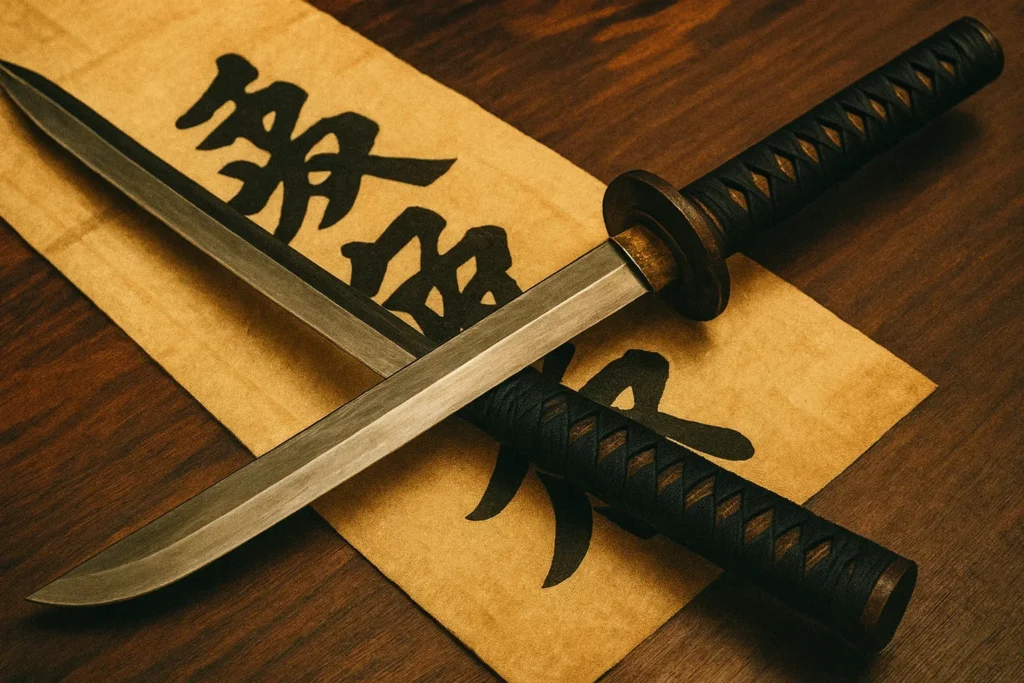
While the image of the samurai in a gleaming katana battle is iconic, the underlying techniques were systematically adapted to everyday challenges. Swordsmanship advanced situational awareness: the relentless practice of eye‑on‑target and body‑orientation trained warriors to detect threats from any angle—an essential skill for modern self‑defense. Their feinting and misdirection tactics translated into evasion tactics in non‑combat contexts, aiding individuals who must navigate hostile or unpredictable environments. The samurai were also adept at improvised weapon use; a simple bamboo staff or a sharpened rock could become an effective tool, illustrating their ability to turn any resource into a defensive asset—a cornerstone of wilderness survival.
- Situational Awareness: Constant vigilance and rapid threat assessment carried over to first‑aid, navigation, and improv security.
- Precision Targeting: Quick strikes on weak points evolved into efficient hunting and effective defense.
- Movement Economy: Mastery of minimal steps reduced energy consumption—critical when traveling long distances on foot.
- Clock‑wise Tactics: Anticipation of opponent’s action informed proactive strategies in crisis situations.
- Stealth & Silence: Techniques useful for evading danger in urban and natural settings alike.
Resource Management Rooted in Samurai Discipline
The samurai’s life in feudal Japan required meticulous attention to supplies. They cultivated meals with limited ingredients, stored water efficiently, and organized stockpiles in ways that minimized waste. These practices laid the groundwork for modern resource management—the ability to ration food, water, and shelter in emergencies. The emphasis on preparation also fostered a culture of contingency planning, where planners anticipated crop failure, typhoons, or civil unrest. Contemporary survivalists adopt this mindset, creating first‑aid kits and emergency food rations that reflect the same careful selection and preservation principles cultivated by the samurai.
Intuitive Decision‑Making Inspired by Bushido Principles
Bushido, the samurai code of ethics, stresses clarity of mind and swift judgment. In life-or-death scenarios, the samurai relied on a calm, focused state— a mental resilience echoed in today’s stress‑management programs. By training to speak only in action (“do not overthink”), samurai were conditioned to act decisively, a trait now prized in urban evacuation drills and wilderness navigation. Moreover, the samurai’s reliance on humane purpose—fighting for honor and protecting the powerless—shaped a cultural ethos of interdependence that persists in cooperative disaster relief efforts across Japan. The ability to pivot quickly in crises is not just a martial technique; it is a deeply psychological discipline ingrained by centuries of samurai training.
Physical Conditioning and Regimen for Endurance
Physical fitness was never optional for a samurai. The rigorous daily routine combined martial arts, equestrian drills, and sword maintenance, generating a high level of cardiovascular health, agility, and muscular endurance. The training, often grounded in “kata”—prearranged sequences of moves—wove proprioception and body mechanics into a comprehensive regimen that reduced injury risk while enhancing search and rescue capabilities. Today’s exercise protocols for adventurers and first responders echo this balanced approach, incorporating strength, flexibility, and endurance work derived from samurai rituals. The same pacing, breathing techniques, and posture awareness that kept a daimyo’s warrior alive are now taught in emergency‑response courses taught by institutions such as the Japan Guide – Samurai Culture.
Conclusion: Embrace the Heritage, Enhance Your Survival
From the disciplined use of limited resources to instinctive combat response, samurai contributions provide a powerful framework for mastering modern survival. Incorporating these lessons into daily practice—from sharpening your situational awareness to maintaining an inventory hierarchy—creates a resilient mindset that thrives in uncertainty. Whether you are an outdoor enthusiast, a martial artist, or a community volunteer, the principles of Bushido and the samurai’s rigorous training remain highly relevant. Discover how integrating samurai methodologies can elevate your preparedness and enhance your ability to navigate any challenge. Take action today—start training with a samurai‑inspired routine and transform your survival skills into lifelong resilience.