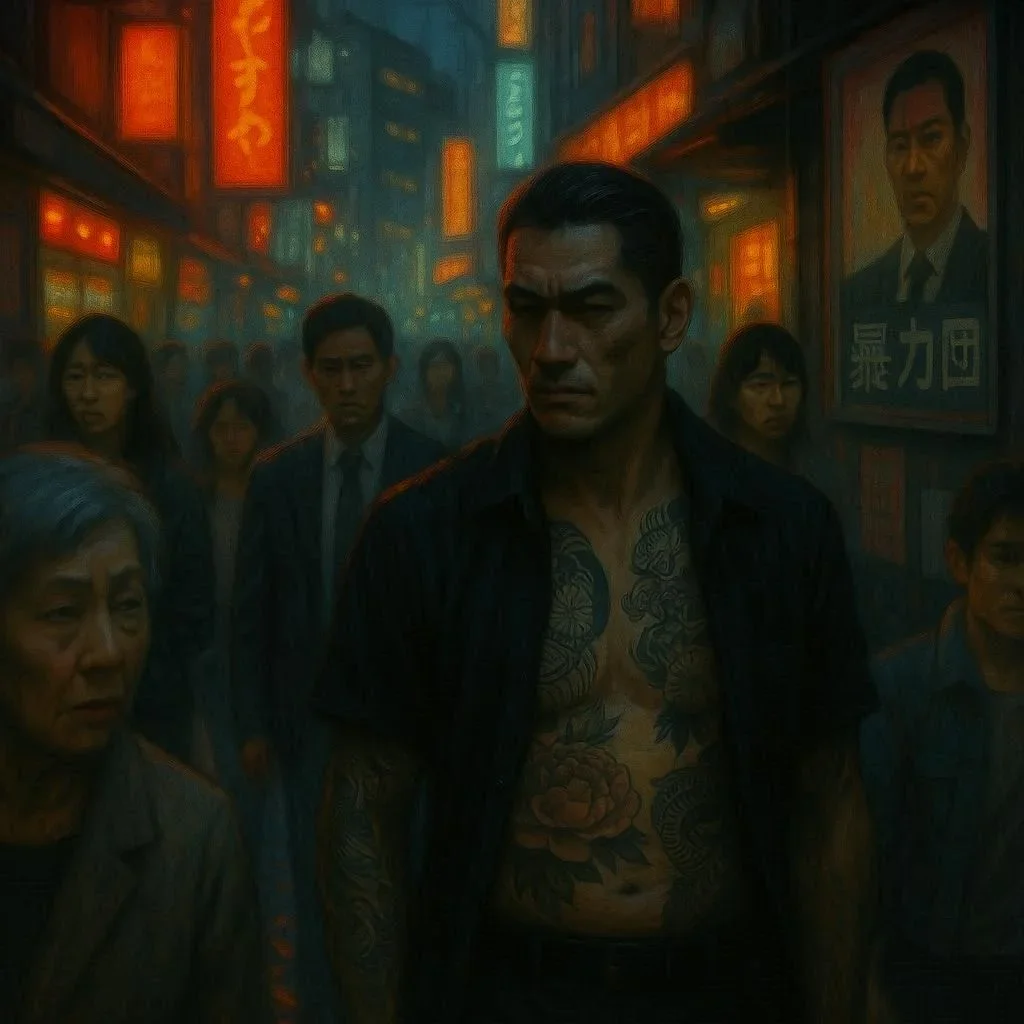
In contemporary Japan, the striking body art associated with the Yakuza is often seen as an intimidating display of power and loyalty. Yet, behind each bold line and vivid color lies a tapestry of traditional Japanese symbolism that dates back centuries. Yakuza Tattoos are not merely rebellious statements; they are deliberate choices that reference cultural motifs, historical narratives, and spiritual beliefs that have shaped Japanese art and society. By examining these ancient designs, we can uncover how the Yakuza use fish, dragons, and samurai imagery to construct identities that echo the ethos of a warrior culture that emerged during feudal Japan.
Historical Roots of Japanese Tattooing
Japanese tattooing, or sashiko, has evolved from simple decorative patterns (kukyo) used by farmers to protect seeds, to elaborate full-sleeve narratives that told personal and communal stories. The oldest surviving works appear on the bodies of samurai and craftsmen, reflecting the social hierarchy and the value placed on courage and resilience. Over time, the art crossed borders, receiving a darker association when westerners discovered tattooed Japanese laborers returning from the tea trade. What followed was a paradoxical transformation: tattoos became markers of both heritage and subculture. The Yakuza’s embrace of this tradition underscores their complex relationship with Japanese society – a blend of admiration for ancestral artistry and defiance against mainstream norms.
The use of symbolic flora, fauna, and mythology has been sustained through centuries. According to research on the Traditional Japanese Tattoo style, motifs like koi fish, cranes, and dragons are imbued with specific meanings that resonate with public perceptions about perseverance, longevity, and power. The cultural depth of these images is respected in legitimate tattoo parlors across Tokyo and Osaka, where skilled artists often consult historical references to ensure authenticity and gravitas.
Symbols That Translate Into Criminal Identity
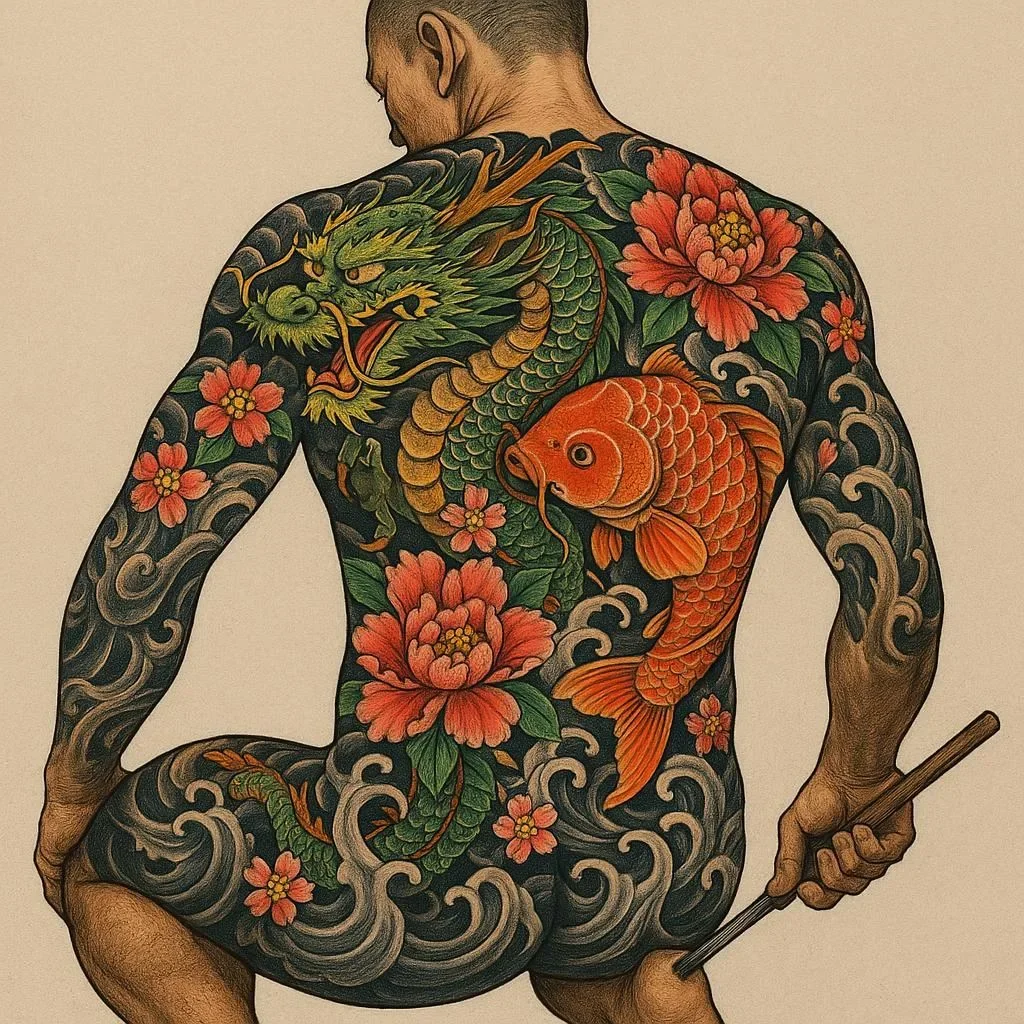
Within Yakuza circles, particular symbols have evolved into unofficial insignia of rank, clan allegiance, or personal ethos. Each design is carefully chosen to convey a narrative that can survive the sanctions of anti-corruption laws and social stigma. For instance, a full-body koi fish is emblematic of an individual’s determination to overcome obstacles – a narrative fitting for someone who has ascended through the criminal hierarchy. Meanwhile, the daunting dragon, a common motif in Japanese folklore, signals a formidable presence that commands respect among both allies and rivals.
- Koi Fish: Symbol of perseverance and strength; reflects the Yakuza’s resolve to navigate law enforcement pressures.
- Dragon: Represents power, wisdom, and protection; often the central figure in a Yakuza’s narrative of legitimacy.
- Samurai Armor: Embodies honor, discipline, and martial prowess; connects Yakuza identity to feudal warrior ethos.
- Cherry Blossom: Signifies transience and beauty; used as a reminder of mortality and the fleeting nature of power.
- White Tiger: Indicates bravery and leadership; linked to the Yakuza’s claim to authority within the underworld.
Such iconography is not arbitrary. The choice of a tiger, for example, is rooted in Japanese folklore associating white tigers with protection and ferocity—qualities that every Yakuza member aims to project. When Bōfared’s “Japanese Tattoo Collection” documents these motifs, it illustrates how deeply cultural symbolism influences contemporary criminal identity. The repetition of these images across networks strengthens group cohesion, turning each tattoo from an individual aesthetic to a collective emblem.
The Act of Body Art: Acceptance Versus Stigma
While tattoos remain a revered part of Japanese tradition—celebrated in festivals and heritage museums—they have long been a contentious issue in public spheres such as hotels, gyms, and restrooms. Yakuza members often face discrimination, the very same society that once venerated these symbols. This double standard creates a paradox: the very marks that signify solidarity can also alienate individuals from mainstream society, making their bodies both shrine and stigma.
To address this tension, many Yakuza have adopted a subtle approach to their body art. Instead of visible full-body sleeves, they may prefer discrete placements—near the wrist or the back of the knee—ensuring they can navigate everyday social requirements while retaining the expressive power of their chosen symbols. According to Japan’s cultural authorities – highlighted by the Japan Guide: Traditional Tattoos website – the practice suggests a careful balancing act between identity expression and social mobility. These norms are also evident among legitimate tattoo artists who maintain rigorous apprenticeship systems, preserving authenticity while adapting to contemporary tastes.
Preservation and Modern Adaptations
As globalization spreads, the lineage of Yakuza tattoos calls for preservation. Traditional tattoo studios now integrate modern techniques—such as high-resolution machines and color gels—to replicate classic designs accurately. Moreover, these evolving practices mirror the broader shift in Japanese society towards a more complex understanding of body art, where symbolism transcends criminal associations and enters mainstream expression.
Academic exploration of this shift can be found in studies focused on the intersection of Yakuza culture and the Japanese art world. By weaving ancient motifs into contemporary aesthetics, today’s Yakuza continue to shape the evolution of Japanese tattooing, preserving narratives that span from samurai epics to modern crime lore. The emergence of hybrid motifs—such as the combination of a koi fish with crimson flames—demonstrates how new stories are born, extending the legacy of Japanese symbolism into the digital age.
Strong Conclusion and Call to Action
Yakuza Tattoos, while often perceived through the lens of illicit activity, are rooted in the profound and intricate history of Japanese culture. These designs bridge personal identity, collective memory, and societal values. By understanding the ancient symbolism encased in the pawning of skin, we not only appreciate art but also confront the broader narratives that shape Japan’s past, present, and future. Continue exploring the fascinating world of Japanese tattooing—delve into museum collections, consult skilled artisans, and, most importantly, recognize the cultural heritage that informs every stroke on the skin.
Discover more this week with a guided tour of Japan’s legendary tattoo studios and witness the living legacy that these inked stories embody.
Frequently Asked Questions
Q1. What historical origins do Yakuza Tattoos have?
Yakuza Tattoos trace back to the samurai and craftsmen of feudal Japan, where body art was a mark of courage and resilience. The practice evolved from small decorative patterns—known as kakyo—to full-sleeve narratives told a generation later. Over centuries, as Japan faced Western influences and shifting laws, tattoos became symbols of both cultural heritage and subculture defiance.
Q2. What common symbols appear on Yakuza Tattoos?
Typical motifs include the koi fish for perseverance, the dragon for power, samurai armor for honor, cherry blossoms for transience, and the white tiger for leadership. These symbols are drawn from folklore, myths, and samurai traditions, each carrying specific meanings that resonate with Yakuza ethos.
Q3. How do Yakuza use tattoos to indicate rank or affiliation?
Each tattoo design is carefully chosen to reflect a person’s position or clan loyalty. A full-body koi figure often signifies someone who has risen through the criminal hierarchy, while a central dragon may denote higher rank. The repetition and placement of these images create a visual code understood within Yakuza networks.
Q4. Are Yakuza Tattoos accepted in mainstream Japanese society?
Despite their deep cultural roots, tattoos still face significant stigma in public spaces like hotels and gyms. Yakuza members often opt for discreet placement near the wrist or knee to navigate social norms, balancing personal expression with societal expectations.
Q5. How have modern tattoo studios adapted Yakuza motifs?
Today’s tattoo artists use high-resolution machines, color gels, and traditional apprenticeship techniques to reproduce classic Yakuza designs accurately. This blend of heritage and innovation reflects a broader shift toward mainstream appreciation of Japanese tattoo artistry.