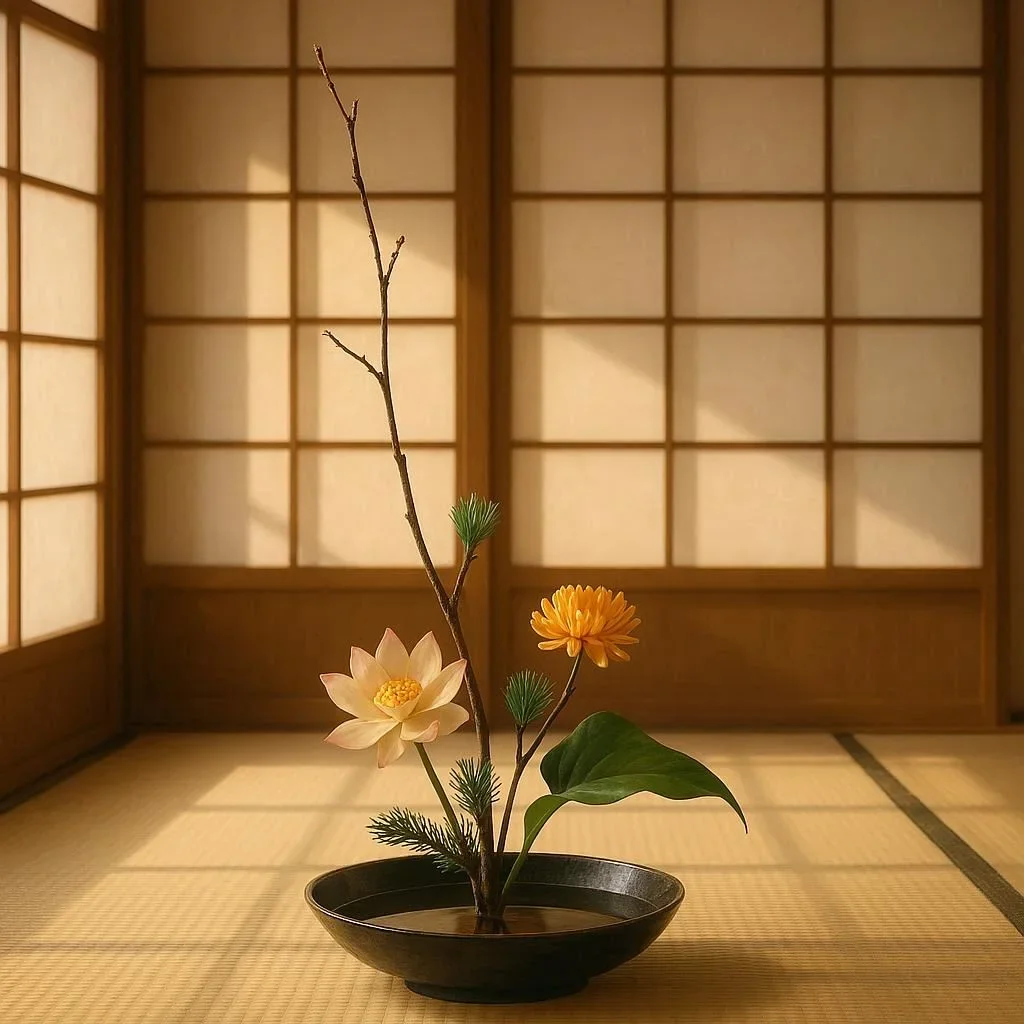
Japanese culture finds profound meaning in moments of stillness, turning silence into a canvas for reflection, resilience, and renewal. Amid bustling cities, serene gardens, and the gentle rustle of cherry blossoms, quiet moments abound—whether found in a quiet tea ceremony, a solitary walk through a bamboo grove, or the mindful pause before a keystone decision. These pauses are not just breaks from noise; they are integral parts of a cultural tapestry that values presence, harmony, and the subtle balance between action and contemplation. Understanding how Japanese culture embraces quiet moments offers insight into the nation’s collective psyche and can inspire us to cultivate deeper mindfulness in our daily lives.
Japanese Culture: The Art of Quiet Reflection
At the core of Japanese philosophy is the principle of “ma”—an empty space that exists between two events, allowing for a deeper sense of appreciation. In traditional practices like the “chadō” (tea ceremony), ma manifests in the quiet anticipation of the tea being poured. Each gesture is choreographed to honor the role of silence, ensuring that participants experience a deeply immersive environment where the present moment is the most vital element. Japanese tea ceremony showcases how ritual can cultivate an environment where the absence of noise becomes a muse for inner contemplation.
Japanese Culture: Gardens as Living Rooms of Stillness
Japanese gardens, such as the renowned Kinkaku-ji in Kyoto or the moss-laden paths of Shofuku-ji, embody wabi-sabi—an aesthetic that celebrates imperfection, impermanence, and the quiet beauty of aging. These gardens are meticulously designed spaces that encourage visitors to pause, breathe, and appreciate the natural texture of each stone, leaf, and shadow. The slow, deliberate movements of walking along a gravel path or watching a koi swim provide a quiet backdrop for reflecting on personal growth and purpose. wabi-sabi serves as a guiding principle for designing art, architecture, and daily life, challenging the notion that progress must always be flashy or swift.
Japanese Culture: Quiet Meditation and the Zen Mindset
Zen meditation, prominent in Buddhist monasteries throughout Japan, offers a structured method of cultivating stillness. Practitioners sit in “zazen”, focusing solely on the rhythm of breath while observing thoughts like passing clouds. This disciplined practice encourages mindfulness, clarity, and emotional regulation. The calmness achieved through zazen provides a powerful antidote to the frantic pace of modern society. Zen remains a pillar of Japan’s cultural identity, with monks, artists, and even corporate executives incorporating its lessons into their daily routines.
Japanese Culture: Quiet Moments in Everyday Life
While formal practices like tea ceremonies and Zen offer structured pathways to silence, Japanese culture also celebrates quiet moments in everyday life. A list of five understated yet profound ways to honor stillness in a busy day follows:
- Morning sunrise walks by the sea;
- Eating a bowl of rice while listening to ambient sounds;
- Reading a leaf of “shodo” (calligraphy);
- Taking a silent break in the office, focusing on breathing;
- Listening to traditional “shakuhachi” flute music without commentary.
Each activity invites participants to slow down, detach from digital noise, and reconnect with a deeper sense of presence.
Japanese culture recognises that quiet moments not only foster mental well‑being but also build stronger communities. In schools, students learn the value of respect for silence, and in households, elderly members often lead family members in silent gratitude practices before meals. Japanese travel site illustrates how these measures are integrated into the broader culture of hospitality and care that defines hospitality around the world.
Japanese Culture: Finding Your Own Quiet Path
Whether you visit a tranquil shrine, meditate at a local temple, or simply sit in a quiet corner of your office, the key is to slow down and observe the world around you without judgement. Embrace the principle of ma by allowing moments of empty space into your life:
- Designate a 5-minute silence window each day;
- Practice mindful breathing before sleep;
- Engage in a simple craft, such as origami, imparting concentration and attention;
- Spend a week each month unplugging from social media.
By making these habits, you invite the serenity found in Japanese culture into the rhythm of your individual story.
Ready to experience quiet moments? Explore a quiet contemplative practice today—dig deeper into the serene world of Japanese culture and let silence guide your steps.
For more resources, visit the official Japanese government site:
Japanese government. This portal offers comprehensive information on cultural events, heritage sites, and community programs that encourage mindfulness and stillness across Japan.
Additionally, UNESCO has highlighted the significance of Japanese cultural heritage in fostering global appreciation for quiet resilience.
UNESCO page on Japanese cultural heritage discusses how traditional arts center with moments of focused contemplation. These resources illustrate how the collective ethos of quietness can be a catalyst for personal and communal growth.
Frequently Asked Questions
Q1. How does the concept of “ma” influence Japanese tea ceremonies?
In Japanese tea ceremonies, “ma” creates a pause between gestures, allowing participants to fully absorb each moment. It turns the act of pouring tea into a meditative experience where silence is as meaningful as the tea itself. By emphasizing this empty space, attendees gain deeper appreciation for the present. Practitioners learn to be present, mindful and supportive of each other.
Q2. What makes Japanese gardens a “living room of stillness”?
Japanese gardens are carefully arranged landscapes that encourage slow walking and reflection. Elements like stepping stones, moss‑covered rocks, and water features are designed to draw attention to texture and change. The deliberate layout invites visitors to pause, breathe, and observe natural rhythms, turning the garden into a contemplative space. This approach embodies the aesthetic of wabi‑sabi and the art of quiet observation.
Q3. How can Zen meditation help in modern Japanese workplaces?
Many Japanese companies now incorporate short zazen sessions during breaks. These sessions help reduce stress, sharpen focus, and improve emotional regulation. Employees report better decision‑making and clearer communication after a few minutes of mindful breathing. Over time, the collective mindfulness culture strengthens teamwork and productivity.
Q4. Are there everyday practices that reinforce stillness outside formal rituals?
Yes, actions such as sunrise walks, eating quietly, silent office breaks, or listening to shakuhachi flute music are all ways to cultivate stillness. These practices encourage detachment from digital noise and affirm the value of presence in daily life. Such habits enable individuals to maintain mental clarity throughout busy routines.
Q5. How can I integrate the principle of “ma” into my personal routine?
Start with a five‑minute silence each day—sitting quietly or simply breathing. Gradually add mindful practices like mindful breathing before bed, simple crafts, or a digital‑free week. By consistently creating small moments of empty space, you allow your mind to rest and focus, mirroring Japanese cultural traditions of stillness.