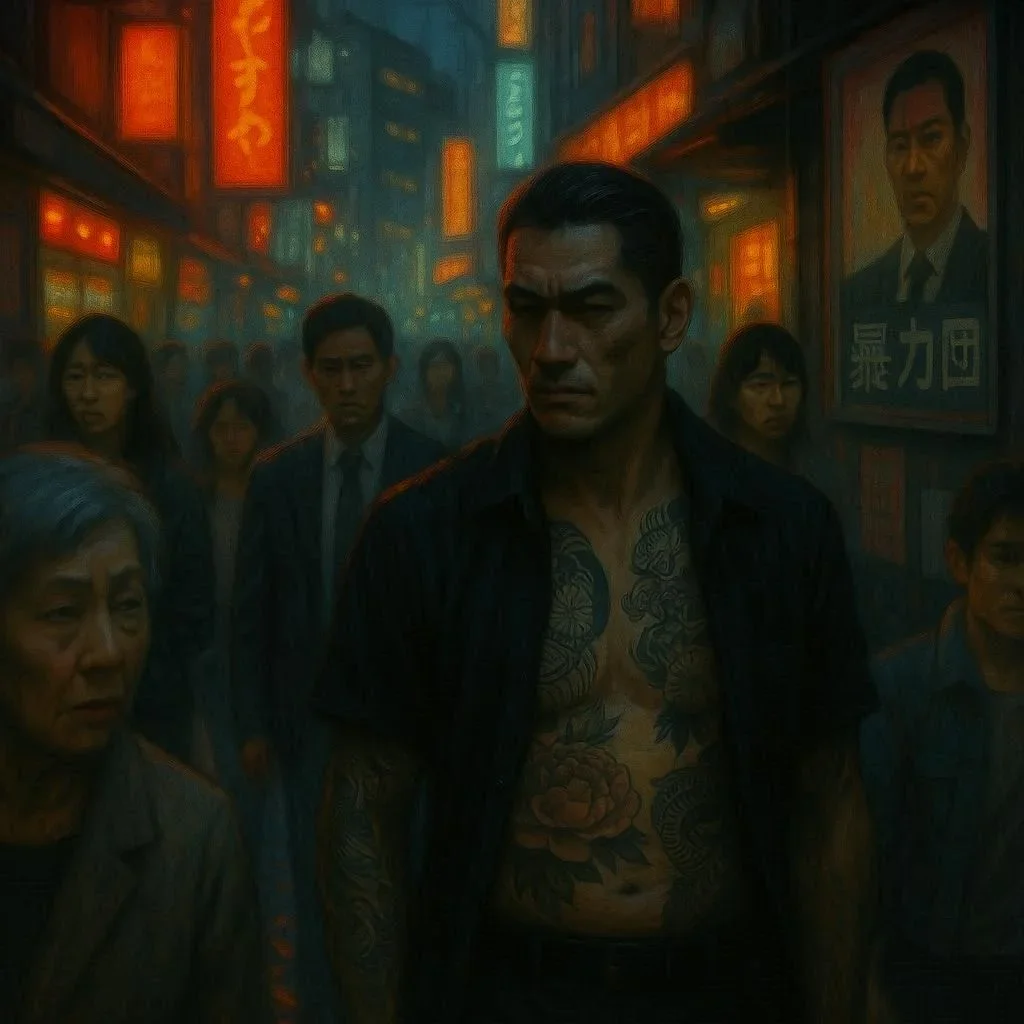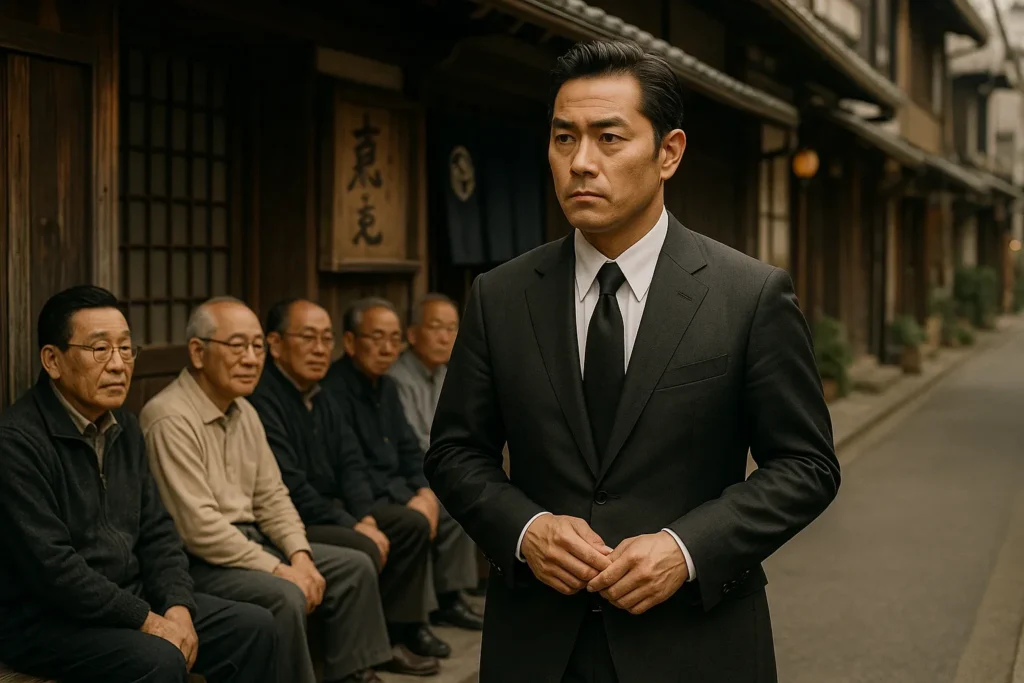
In the shadowed corridors of Japan’s underworld, a humble bottle of clear liquid becomes a sacred conduit of power and devotion. For many Yakuza families, sake ceremonies are not merely a social ritual but a living manifestation of tradition, loyalty, and honor. This practice, rooted in centuries of Japanese culture, intertwines the values that define both the Yakuza and the broader tapestry of Japanese society. To understand the symbolism behind these ceremonies is to glimpse the complex psyche of Japan’s notorious yet culturally respected criminal clans.
Historical Roots of Sake in Yakuza Culture
While the contemporary image of the Yakuza conjures thoughts of flamboyant tattoos and ten‑finger ties, the origins of their ceremonial customs echo the ancient samurai code of bushido. Sake, historically a god’s offering in Shinto shrines, evolved into a symbol of communal solidarity. The earliest depictions of sake ceremonies within criminal organizations appear in Edo‑period records, where itinerant thieves formed “nakama” bonds over shared brews. Over time, the practice cemented itself as a formalized rite of passage within the yakuza, whereby newcomers were initiated through a ritual that signaled trust and belonging.
The 20th‑century saw the Yakuza’s ascendancy parallel the nation’s rapid industrialization and urbanization. In the aftermath of World War II, the fragile social fabric required new structures for stability. The Yakuza’s saké rituals provided a sense of continuity, reaffirming their identity as protectors and employees of the community—a self‑proclaimed guardian that both honored and repurposed historical saké traditions.
Key Symbols and Their Meanings
Multiple elements converge in a Yakuza sake ceremony to convey layers of meaning. Below is a distilled list of these symbols and what they represent within the organization.
- Untouchable Kamasu (White Glass) – Signals purity and a new beginning for the initiate.
- Low‑Profile Mottainai Cup – Emphasizes the value of resources and the collective rather than individual consumption.
- Two‑handed Pouring (Suzu‑kon)** – Demonstrates equality and shared responsibility between the mentor and newcomer.
- Echoed Silence (Shōō) – Reflects the reverent respect for the organization’s history and the wintering of personal ego.
The orchestration of these symbols crafts an experience that transcends a mere drinking party. Each act communicates commitment, humility, and an understanding of the clan’s unspoken social contract.
Ritual Sequence: From Initiation to Altruism
While variations exist among different Yakuza families, a typical saké ceremony follows a structured flow that mirrors ancient tea ceremonies and samurai training drills.
- **Opening Prayer** – The older members recite an abbreviated ritual borrowed from Shinto purification rites, invoking the protective spirit of the kami.
- **Linted Toast Toast** – A high‑ranking member holds a single cup high, inviting all to observe the deliberate first sip, a nod to the necessity of orderly conduct.
- **The Three Visual Symbols** – At certain moments, the leader may pause to show the mottainai cup, the white glass, and a small bamboo symbol representing the year’s harvest.
- **The Initiate’s Drink** – The new member is forced to drink from an unfilled glass, a test of resilience and loyalty; failure to finish is deemed disrespect toward the group.
- **Closing Reflection** – Participants collectively reflect on the responsibility they now carry and the bond they promise to uphold.
In each stage, the act of drinking is not simply about intoxication; it becomes a conveyance of values: humility, sacrifice, unity, and a shared vision of justice—however defined within the underworld.
Interaction with Broader Japanese Society
While the reverence given to saké ceremonies illustrates the Yakuza’s internal cohesion, the public manifestation of these rituals also serves to align the group with certain admired cultural elements. By echoing the manners of a tea master and invoking the deep tradition of saké, the Yakuza appear to embrace elements of Japanese heritage it claims to protect. This duality amplifies their legitimacy in the eyes of some locals, building notoriety while fostering a paradoxical acknowledgment of respect for traditional values.
Notably, the Japanese government has taken a cautious stance toward criminal organizations, but the Yakuza’s symbolic use of saké sometimes appears in media reports alongside legitimate saké‑brewing traditions. A comparison of official statistics indicates that the Japan cultural policies encourage community events, inadvertently providing venues where even secretive groups may replicate cultural symbols freely.
Modern Implications: Digital Transformation and Symbolic Resonance
In a world where the internet has become an arena for both legitimate and illicit communications, the symbolic potency of saké ceremonies persists. Modern Yakuza leaders harness digital platforms to document and even livestream certain aspects of their gatherings, not to glorify the act but to create an “online shrine” that audiences can share as a sign of loyalty. Despite social media’s heavy regulation and the heightened scrutiny from enforcement bodies, these digital reinventions show the adaptability of tradition.
From a broader perspective, this has sparked academic interest in how Japanese cultural rituals** evolve under external pressures, as noted by researchers at the Japan Science and Technology Agency. Their reports highlight that while the substance of the ceremony remains, the form shifts to accommodate contemporary communication methods and group dynamics.
Conclusion: The Lasting Legacy of Sake Ceremonies
Therefore, the symbolic narrative behind Yakuza sake ceremonies is one of allegiance, respect, memory, and adaptation. The discipline of ritual transcends the liquid itself and becomes a vessel for the values that have steered Japan through conflict and peace alike. By understanding these ceremonies, readers gain insight into the synergy between organized crime and cultural identity—a synergy that will continue to echo through the corridors of Tokyo’s neon‑lit streets.